
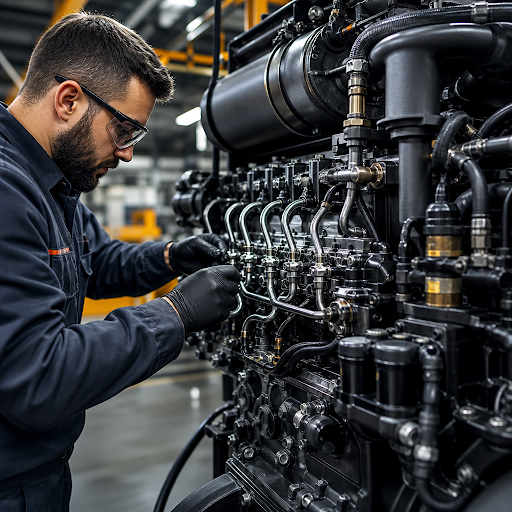
The fuel injection system stands as one of the most critical components in diesel engines, directly influencing power output, fuel efficiency, and overall operational reliability. Whether powering agricultural machinery, construction equipment, or industrial generators, the precision and condition of fuel injection components determine whether a machine runs smoothly or faces costly downtime. Understanding the options available when selecting fuel injection pumps can make the difference between optimal performance and mechanical failure in demanding work environments.
The Foundation of Diesel Engine Performance
Diesel engines rely on high-pressure fuel injection to achieve combustion, unlike gasoline engines that use spark ignition. The fuel injection pump serves as the heart of this system, precisely metering and pressurizing diesel fuel before delivering it to the injectors. This process must occur with exact timing and pressure to ensure complete combustion, maximize power, and minimize emissions. When these pumps begin to fail, symptoms often include hard starting, reduced power, increased smoke, and poor fuel economy. For operators managing fleets of heavy equipment or maintaining critical machinery, sourcing reliable replacement pumps becomes paramount to operational continuity.
Equipment owners and fleet managers face an important decision when fuel injection systems require service or replacement. Investing in quality new, rebuilt, and used fuel injection pumps provides flexible solutions tailored to different budget constraints and operational requirements. Each option carries distinct advantages depending on the application, expected service life, and financial considerations. Understanding these differences enables informed decisions that balance upfront costs against long-term reliability and performance expectations.
Evaluating Replacement Options for Critical Components
New fuel injection pumps represent the premium choice, offering factory specifications, full warranties, and the longest expected service life. These components undergo rigorous quality control and come with manufacturer guarantees that provide peace of mind for critical applications. New pumps are particularly appropriate for high-value equipment, warranty-sensitive situations, or operations where downtime costs exceed the price premium of new components. The investment in new parts often pays dividends through extended service intervals and reduced maintenance requirements over the component’s lifetime.
Rebuilt fuel injection pumps occupy the middle ground, combining affordability with reliability. Professional rebuilding processes involve complete disassembly, thorough inspection, replacement of worn components, precision calibration, and comprehensive testing. Quality rebuilders follow strict protocols that return pumps to near-original specifications at a fraction of the cost of new units. This option suits a wide range of applications where budget considerations matter but reliability cannot be compromised. Many rebuilt pumps carry warranties that demonstrate the rebuilder’s confidence in their work, providing additional security for the investment.
Strategic Considerations for Equipment Maintenance
Used fuel injection pumps serve specific niches in the equipment maintenance ecosystem. Salvaged from decommissioned machinery or removed during upgrades, these components offer the lowest initial cost and can be ideal for temporary repairs, low-hour applications, or situations where equipment nearing retirement doesn’t justify major component investments. However, used pumps typically lack warranties and carry unknown service histories, making them better suited for experienced operators who can assess component condition and accept the associated risks. Proper evaluation before installation becomes essential to avoid installing a pump that may fail prematurely.
The decision between new, rebuilt, and used components extends beyond simple cost comparison. Fleet managers must consider total cost of ownership, which includes installation labor, downtime during replacement, potential secondary failures, and the frequency of future maintenance. A used pump that fails after six months may ultimately cost more than a rebuilt unit that performs reliably for years. Similarly, applications where equipment downtime carries severe financial penalties often justify the premium for new components despite higher upfront costs. Strategic parts sourcing aligns component choices with operational priorities and financial constraints.
Applications Across Industries
Construction and maintenance operations depend on reliable diesel equipment to meet project deadlines and safety requirements. From excavators to generators, fuel injection system integrity directly impacts job site productivity. Many construction firms maintain relationships with specialized equipment suppliers who understand the demanding conditions under which this machinery operates. Access equipment and support services complement core machinery maintenance programs, ensuring comprehensive operational readiness across diverse project requirements.
Agricultural operations present particularly demanding environments for diesel engines and fuel injection systems. Tractors, combines, and irrigation pumps often operate extended hours during critical planting and harvest windows, where breakdowns can result in significant crop losses. The agricultural sector has long recognized diesel’s advantages in power density, fuel efficiency, and longevity. Modern diesel technology in agriculture continues advancing, with fuel injection systems becoming increasingly sophisticated to meet emissions standards while maintaining the torque characteristics farmers depend on. Maintaining these advanced systems requires access to quality replacement components and technical expertise.
Technical Considerations and Compatibility
Not all fuel injection pumps are interchangeable, even within similar engine families. Precise matching of pump specifications to engine requirements ensures proper performance and prevents damage. Critical specifications include pump type, flow rate, pressure rating, timing characteristics, and mounting configuration. Rotary pumps, inline pumps, and unit injector systems each have distinct operating principles and service requirements. Attempting to install an incompatible pump can result in poor performance, increased emissions, or catastrophic engine damage. Working with knowledgeable suppliers who understand these technical nuances helps ensure correct component selection.
Installation quality matters as much as component quality when replacing fuel injection pumps. Proper timing adjustment, secure mounting, correct fuel line connections, and thorough bleeding of air from the system are essential procedures. Contaminated fuel represents a leading cause of premature fuel injection system failure, making fuel filtration and tank cleanliness critical maintenance practices. Even the highest quality replacement pump will fail quickly if installed in a system with compromised fuel quality or improper adjustment. Comprehensive service procedures that address the entire fuel system, not just the pump replacement, deliver the best long-term results.
Goldfarb Inc: Specializing in Diesel Fuel System Components
Goldfarb Inc has established itself as a trusted source for diesel fuel injection components, serving diverse industries with a comprehensive inventory of new, rebuilt, and used parts. The company focuses specifically on fuel injection systems, developing deep expertise in component selection, application matching, and technical support. This specialization allows them to maintain extensive inventory across multiple brands and pump types, providing solutions for both common and hard-to-find applications. Their technical team assists customers in identifying correct replacements and understanding the trade-offs between different component conditions and price points.
The company’s approach emphasizes matching component quality to application requirements rather than simply pushing the highest-priced option. For operations maintaining older equipment or managing tight maintenance budgets, access to quality used and rebuilt components provides viable alternatives to expensive new parts. Conversely, for critical applications where reliability cannot be compromised, their new component inventory ensures availability when specifications demand factory-fresh parts. This balanced approach recognizes that different operational contexts require different solutions, and that value extends beyond simply finding the lowest initial price.
Maintenance Practices That Extend Component Life
Preventive maintenance significantly impacts fuel injection system longevity regardless of whether components are new, rebuilt, or used. Regular fuel filter changes represent the single most important maintenance task, preventing abrasive contaminants from reaching precision pump components. Most manufacturers recommend filter changes at specific hour intervals, but operations in dusty environments or those using fuel from questionable sources benefit from more frequent changes. The modest cost of additional filters pales compared to replacing damaged injection pumps and injectors.
Fuel quality itself deserves careful attention. Diesel fuel can degrade over time, developing biological growth, water contamination, and sediment accumulation. Equipment that sits idle for extended periods requires fuel stabilization and periodic system cycling to prevent deterioration. Cold weather operation introduces additional challenges, as diesel fuel can gel at low temperatures, potentially damaging injection components. Using appropriate seasonal fuel blends and fuel additives prevents cold-weather issues that might otherwise necessitate premature component replacement. These proactive measures protect investments in fuel system components and minimize unexpected failures.
Recognizing Early Warning Signs
Operators who recognize early symptoms of fuel injection problems can often address issues before complete failure occurs. Difficulty starting, especially when combined with excessive cranking time, often indicates insufficient fuel pressure or delivery. Rough idle, power loss under load, or unusual smoke colors signal combustion problems frequently traced to injection system issues. Increased fuel consumption without corresponding changes in operating conditions suggests inefficient combustion, again pointing toward potential injection problems. Addressing these symptoms promptly through diagnostic testing and targeted repairs prevents secondary damage and reduces total repair costs.
Modern diagnostic equipment allows technicians to test fuel injection systems comprehensively, measuring pressures, flow rates, timing, and injector spray patterns. These tests identify specific failing components rather than relying on guesswork, ensuring repairs address actual problems rather than replacing parts unnecessarily. Investing in proper diagnosis before ordering replacement components saves money and ensures that root causes receive attention. A fuel injection pump replacement won’t solve problems if contaminated fuel, faulty injectors, or timing issues remain unaddressed. Comprehensive system evaluation delivers more reliable outcomes than component replacement alone.
Conclusion
Fuel injection systems remain fundamental to diesel engine performance across agricultural, construction, and industrial applications. Whether selecting new components for maximum longevity, rebuilt parts for balanced value, or used pumps for budget-conscious repairs, matching component quality to operational requirements ensures optimal outcomes. Strategic sourcing from specialized suppliers, combined with proper installation practices and preventive maintenance, maximizes equipment uptime and minimizes total ownership costs. As diesel technology continues advancing, the principles of proper component selection, quality installation, and attentive maintenance remain constant factors in achieving reliable, efficient operation of critical equipment.