
In recent weeks, a wild new artificial intelligence trend has taken over TikTok and other social media platforms, transforming a famous musical performance into an endless stream of internet memes. At the center of it all is the viral Migos Hotel Lobby AI Video trend, which reimagines the iconic 2022 COLORS show performance by Quavo and Takeoff (performing as the duo Unc & Phew). From celebrities like Barack Obama and Spider-Man to random characters and household pets, digital creators are using AI to place unexpected faces inside the recognizable orange studio booth.
But beyond the humor and viral appeal, this trend represents a massive shift in how accessible AI video generation has become for everyday internet users, creators, and businesses alike.
The Technology Powering the Viral Meme
Just a few years ago, placing someone else’s face into a moving, rapping, and gesturing video required professional VFX software, hundreds of hours of rotoscoping, and advanced technical skills. Today, the barrier to entry has completely vanished.
To participate in the trend, users simply need two separate photos. The heavy lifting is done by specialized templates and tools. By using a dedicated Hotel Lobby AI Video Generator, anyone can automatically process their images, map the facial features or character designs, and seamlessly integrate them into the existing video format. These generators retain the rappers’ exact lip-syncing, hand movements, and original audio while manipulating the visual output to match the uploaded photos.
This template-driven approach means that complex temporal sequences, lighting adjustments, and camera framing are entirely automated, leaving the creator to focus solely on the comedic or artistic concept.
Mastering AI Creation Beyond Templates
While the “Hotel Lobby” meme largely relies on pre-built templates and face-swapping algorithms, the broader AI video landscape offers incredible flexibility for those willing to learn the ropes. As AI models become more sophisticated, the ability to write precise, effective text prompts is becoming a highly valuable skill in the digital economy.
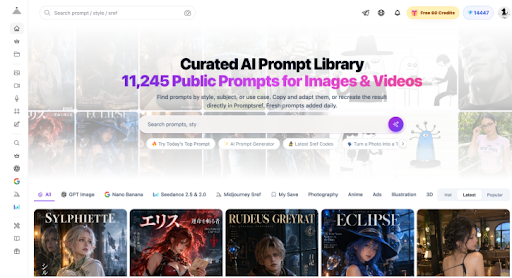
Creators and marketers who want to move beyond one-click templates and build custom AI-generated videos from scratch can explore resources like an AI Prompt Library. These libraries provide the necessary vocabulary, structure, and parameters to guide AI models accurately—whether you are creating a viral meme, a corporate marketing campaign, or experimental art. Knowing how to specify lighting, camera angles, and character consistency is what separates amateur creations from professional-grade content.
The Business and Ethical Implications
The explosion of the Migos Hotel Lobby AI video trend is not without its controversies. Because the original performance features the late rapper Takeoff, who tragically passed away in 2022, many fans and critics have raised ethical questions regarding the repurposing of his digital likeness. The trend has sparked a wider debate in the digital business landscape about consent, copyright, and how AI platforms collect and use the personal photos voluntarily uploaded by millions of users.
For digital businesses, marketing agencies, and media companies, the viral success of these AI tools highlights a massive market opportunity. Consumers are eager for interactive, personalized, and AI-driven content creation tools. However, the legal frameworks surrounding AI face-swapping, copyright infringement, and digital likeness are still playing catch-up.
The Future of Meme Culture
The “Hotel Lobby” AI video is more than just a fleeting TikTok craze; it is a real-time case study in the democratization of video editing and the rapid advancement of artificial intelligence. As these tools continue to evolve, we can expect internet culture and digital business strategies to become increasingly collaborative between humans and machines, blurring the line between original content and AI-generated remixing.