
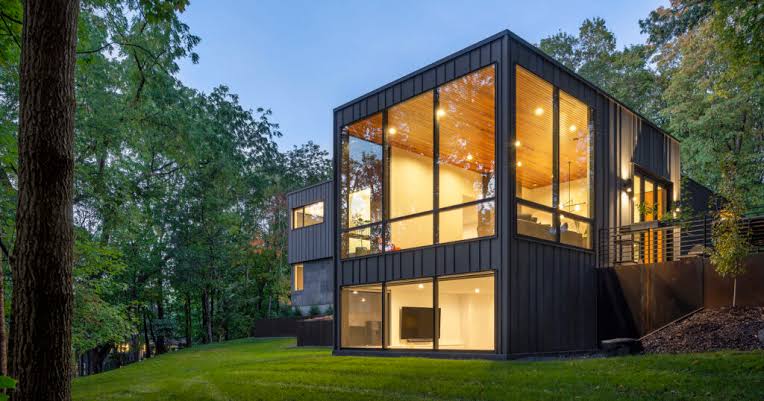
Concrete has been one of the most important construction materials in the world for centuries. From residential foundations and driveways to large commercial structures, it has helped shape modern cities and homes. Its strength, availability, and affordability make it a popular choice for builders and homeowners.
However, as construction needs continue to change, people are looking beyond traditional concrete. Concerns about durability, environmental impact, maintenance costs, and long-term performance have increased interest in new options such as self-healing concrete and alternative building materials.
Modern homeowners are not only looking for strong materials. They want homes that last longer, require fewer repairs, perform better in different climates, and provide better value over time.
Understanding the differences between traditional concrete, self-healing concrete, and alternative materials can help homeowners, architects, and builders make smarter decisions for future projects.
Traditional Concrete: The Standard Choice for Modern Construction
Traditional concrete is a mixture of cement, water, sand, and aggregates such as gravel or crushed stone. When these ingredients combine and harden, they create a strong material commonly used in foundations, walls, floors, driveways, and structural components.
For decades, traditional concrete has remained popular because it offers several advantages.
Strength and Structural Reliability
One of the biggest reasons builders choose concrete is its ability to handle heavy loads. Properly designed concrete structures can support homes for many decades when installed correctly.
Concrete foundations, for example, provide stability and resistance against movement caused by soil pressure and weather changes.
Affordable and Widely Available
Traditional concrete is available almost everywhere, making it easier to source and transport compared to many newer materials. This availability helps keep construction costs predictable.
For most residential projects, conventional concrete remains one of the most practical options because contractors already understand how to work with it.
Fire and Weather Resistance
Concrete performs well against fire, moisture, and extreme weather conditions. Unlike some organic materials, it does not easily burn or decay.
This makes it suitable for areas where homeowners need strong protection against environmental challenges.
Limitations of Traditional Concrete
Although traditional concrete is reliable, it is not perfect. Over time, several issues can appear.
Cracking Problems
One of the most common problems with concrete is cracking. Small cracks can develop because of:
- Temperature changes
- Ground movement
- Improper installation
- Excess water in the mixture
- Natural aging
While many small cracks are not immediately dangerous, they can allow water to enter and create bigger problems.
Maintenance Requirements
Concrete structures usually require some maintenance, especially outdoor surfaces such as driveways, patios, and walkways.
Sealing, repairing cracks, and protecting surfaces from moisture can extend the lifespan of concrete installations.
Environmental Concerns
Traditional concrete production requires cement manufacturing, which contributes significantly to global carbon emissions.
As sustainability becomes more important in construction, industries are exploring ways to reduce the environmental impact of concrete.
What Is Self-Healing Concrete?
Self-healing concrete is an innovative material designed to repair small cracks automatically without traditional repair methods.
Unlike normal concrete, which requires external maintenance after cracking, self-healing concrete contains special components that activate when damage occurs.
The concept is inspired by natural healing processes. Just as the human body repairs minor injuries, self-healing concrete can respond to small structural problems.
How Self-Healing Concrete Works
There are different approaches used to create self-healing concrete.
Bacteria-Based Self-Healing Concrete
One popular method involves adding specific bacteria into the concrete mixture. These bacteria remain inactive until cracks allow water and oxygen to enter.
When activated, the bacteria produce limestone-like materials that fill small cracks and reduce water penetration.
Chemical Healing Methods
Some self-healing concrete systems use special capsules containing healing agents. When cracks appear, these capsules break and release materials that help seal the damaged area.
Natural Healing Enhancement
Concrete already has a limited ability to heal very small cracks through chemical reactions. Researchers are developing methods to improve this natural process.
Benefits of Self-Healing Concrete
Self-healing concrete offers several potential advantages for modern construction.
Reduced Repair Costs
Because the material can repair minor damage automatically, homeowners and building owners may spend less money on maintenance over the lifetime of a structure.
This can be especially valuable for areas that are difficult or expensive to repair, such as underground foundations or large structural components.
Longer Building Lifespan
Preventing water from entering cracks can help protect internal reinforcement materials. This may increase the overall durability of concrete structures.
Better Performance in Difficult Locations
Self-healing concrete could become useful in locations where regular maintenance is challenging, including tunnels, bridges, underground structures, and large residential developments.
Challenges of Self-Healing Concrete
Despite its advantages, self-healing concrete is not yet a complete replacement for traditional concrete.
Higher Initial Cost
The technology requires additional materials and specialized production methods, which can increase upfront costs.
For many homeowners building standard residential properties, the price difference may currently be difficult to justify.
Limited Availability
Traditional concrete is available almost everywhere, while self-healing concrete is still developing and may not be offered by all suppliers or contractors.
Not a Solution for Major Damage
Self-healing concrete is mainly designed for small cracks. Large structural damage still requires professional inspection and repair.
Alternative Building Materials for Modern Homes
Beyond traditional and self-healing concrete, many homeowners and builders are exploring alternative materials that offer different advantages.
Cross-Laminated Timber (CLT)
Cross-laminated timber is an engineered wood product made by layering wooden panels in different directions.
It provides strength while offering a more renewable construction option compared to some traditional materials.
Benefits include:
- Faster construction
- Natural appearance
- Lower carbon impact
- Lightweight structure
However, it requires proper moisture protection and specialized installation.
Hempcrete
Hempcrete is a bio-based material made from hemp fibers mixed with a lime-based binder.
It is not usually used as a structural replacement for concrete, but it can provide insulation and improve energy efficiency.
Advantages include:
- Moisture regulation
- Thermal insulation
- Sustainable sourcing
Recycled Building Materials
Recycled materials are becoming more common in modern construction. These can include recycled concrete aggregates, reclaimed wood, and reused construction materials.
They help reduce waste while supporting more sustainable building practices.
Choosing the Right Material for a Home Project
The best building material depends on several factors, including:
- Location and climate
- Budget
- Building purpose
- Maintenance expectations
- Local construction standards
- Long-term goals
For a standard home foundation, traditional concrete may still be the most practical choice. For specialized projects where maintenance costs are high, self-healing concrete could provide valuable benefits.
Alternative materials may be better suited for homeowners focused on sustainability, energy efficiency, or unique design goals.
The Future of Home Construction Materials
The construction industry is moving toward materials that combine strength, sustainability, and smart performance.
Future homes may use a combination of technologies rather than relying on one material. A house could include traditional concrete foundations, sustainable insulation materials, smart monitoring systems, and advanced repair technologies.
As research continues, self-healing materials and environmentally friendly alternatives may become more affordable and accessible for everyday residential construction.
Final Thoughts
Traditional concrete remains one of the most trusted building materials because of its strength, affordability, and proven performance. However, changing environmental concerns and evolving homeowner expectations are encouraging the development of new solutions.
Self-healing concrete offers an exciting possibility for reducing maintenance and extending building lifespans, while alternative materials provide new opportunities for sustainable and efficient home design.
The future of construction will likely not be about replacing concrete completely but about choosing the right material for each specific need. By understanding the benefits and limitations of different options, homeowners and builders can create stronger, smarter, and more durable homes.