
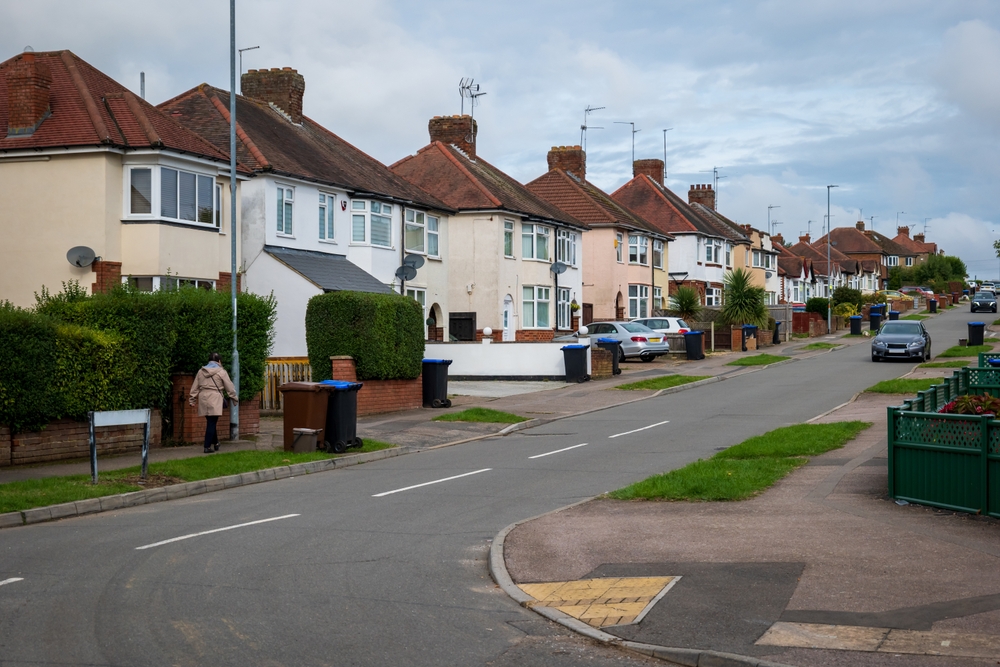
The Evolving Expectations of Residential Property Management
Modern residential developments are becoming increasingly complex to manage. From apartment blocks with shared amenities to mixed-use developments combining residential and commercial spaces, the expectations placed on property management teams have evolved significantly in recent years.
Residents today expect far more than basic maintenance and occasional repairs. They want clear communication, prompt issue resolution, well-maintained communal areas, and reassurance that buildings are being managed responsibly and safely. At the same time, landlords, freeholders and management companies face mounting pressure to meet regulatory standards while controlling operational costs.
As a result, the traditional reactive approach to residential property management is becoming less effective. Waiting for issues to arise before responding can quickly lead to higher costs, frustrated residents and long-term damage to property value. Increasingly, developments are recognising the importance of proactive management strategies that prioritise planning, communication and preventative action.
1. The Shift from Reactive to Preventative Management
For many years, residential property management often operated on a reactive basis. Repairs were addressed when something failed, maintenance was scheduled inconsistently, and long-term planning was frequently overlooked.
However, this approach can create significant operational challenges. Delayed maintenance often leads to more expensive repairs later, while unresolved communal issues can negatively affect residents’ quality of life. Problems such as poorly maintained entrances, recurring plumbing issues or neglected outdoor spaces can quickly undermine confidence in how a development is managed.
Preventative management aims to mitigate these risks before they escalate. Regular inspections, planned maintenance schedules, and long-term budgeting allow developments to anticipate problems rather than simply responding to them.
Digital reporting systems and maintenance tracking tools are also helping property managers identify recurring issues more efficiently. By monitoring trends and prioritising early intervention, developments can reduce disruption while protecting both infrastructure and resident satisfaction.
This shift towards preventative management is increasingly viewed as a practical necessity rather than an optional extra.
2. Communication as a Core Management Function
While maintenance is essential, communication is often the area where residential developments experience the greatest tension.
Residents expect timely updates regarding repairs, service charges, planned works and safety matters. When communication is inconsistent or unclear, even relatively minor issues can lead to frustration and disputes.
Transparent communication helps create trust between residents and management teams. Providing realistic timelines for repairs, clearly explaining service charge allocations and offering regular updates during major works can significantly improve resident confidence.
Many developments are now adopting digital communication platforms that allow residents to report issues, receive notifications and access important documentation more easily. These systems help reduce delays and improve accountability while giving residents greater visibility into how their development is being managed.
Regular newsletters, online portals and scheduled updates are becoming valuable tools for maintaining positive relationships within residential communities.
3. Compliance and Safety Responsibilities Are Increasing
The regulatory landscape surrounding residential buildings has become far more demanding in recent years. Fire safety requirements, building inspections, contractor management and documentation standards now place greater responsibility on those overseeing residential developments.
For management teams, this means compliance can no longer be treated as an occasional administrative task. Ongoing monitoring, record keeping and risk assessments are now central to effective property management.
Poor oversight can have serious consequences. Safety concerns may expose developments to legal disputes, insurance complications, and reputational damage. In some cases, inadequate maintenance or compliance failures can also affect resident well-being and long-term property value.
As buildings become more technically complex, structured governance processes are becoming increasingly important. Clear maintenance schedules, contractor accountability and organised documentation help ensure developments remain compliant while reducing operational risk.
Developments that prioritise compliance proactively are generally better positioned to respond to changing regulations and resident expectations.
4. The Value of Specialist Operational Expertise
Managing a residential development now requires a broad combination of operational, financial, and communication skills. As a result, many developments are turning to dedicated specialists rather than relying solely on informal or self-managed arrangements.
Experienced management professionals can help coordinate contractor relationships, oversee budgeting, manage emergency responses and maintain consistent communication with residents. This level of operational oversight often becomes particularly valuable in larger developments where multiple stakeholders are involved.
Many developments now choose to work with a professional block manager to help coordinate maintenance planning, compliance obligations, and resident communication more efficiently.
Specialist expertise can also help developments adopt longer-term strategies that balance immediate maintenance needs with future investment planning. Rather than focusing solely on short-term cost reduction, professional oversight can support more sustainable operational decision-making.
In an environment where resident expectations and compliance demands continue to rise, structured management expertise is becoming increasingly important.
5. Long-Term Property Value Depends on Consistent Management
The quality of property management has a direct impact on how residential developments are perceived by both residents and prospective buyers.
Well-maintained communal spaces, responsive management practices and clear operational standards all contribute to a stronger sense of confidence in a development. Conversely, visible neglect, unresolved maintenance issues and poor communication can quickly reduce appeal and negatively affect property values.
For investors and leaseholders alike, consistent management plays an important role in protecting long-term asset value. Buyers are increasingly aware of the importance of service standards, maintenance history and building management quality when evaluating residential properties.
Resident retention is another important factor. Developments that provide reliable management and maintain attractive communal environments are often more successful at fostering stable, positive communities.
Balancing cost control with long-term asset protection remains one of the key challenges facing residential developments today. However, proactive management strategies are increasingly proving to be a worthwhile investment rather than simply an operational expense.
Building Better Residential Communities Through Better Management
Modern residential developments require far more than occasional repairs and basic administration. As buildings become more complex and resident expectations continue to evolve, proactive management is becoming essential for maintaining both operational efficiency and long-term property value.
Preventative maintenance, transparent communication and strong compliance processes all contribute to better resident experiences and more sustainable residential communities. At the same time, structured operational oversight helps developments respond more effectively to regulatory pressures and changing market expectations.
Ultimately, successful residential developments are increasingly those that prioritise long-term planning, consistent communication and preventative management over reactive short-term solutions.
Stay in touch to get more updates & news on Building Business News!