
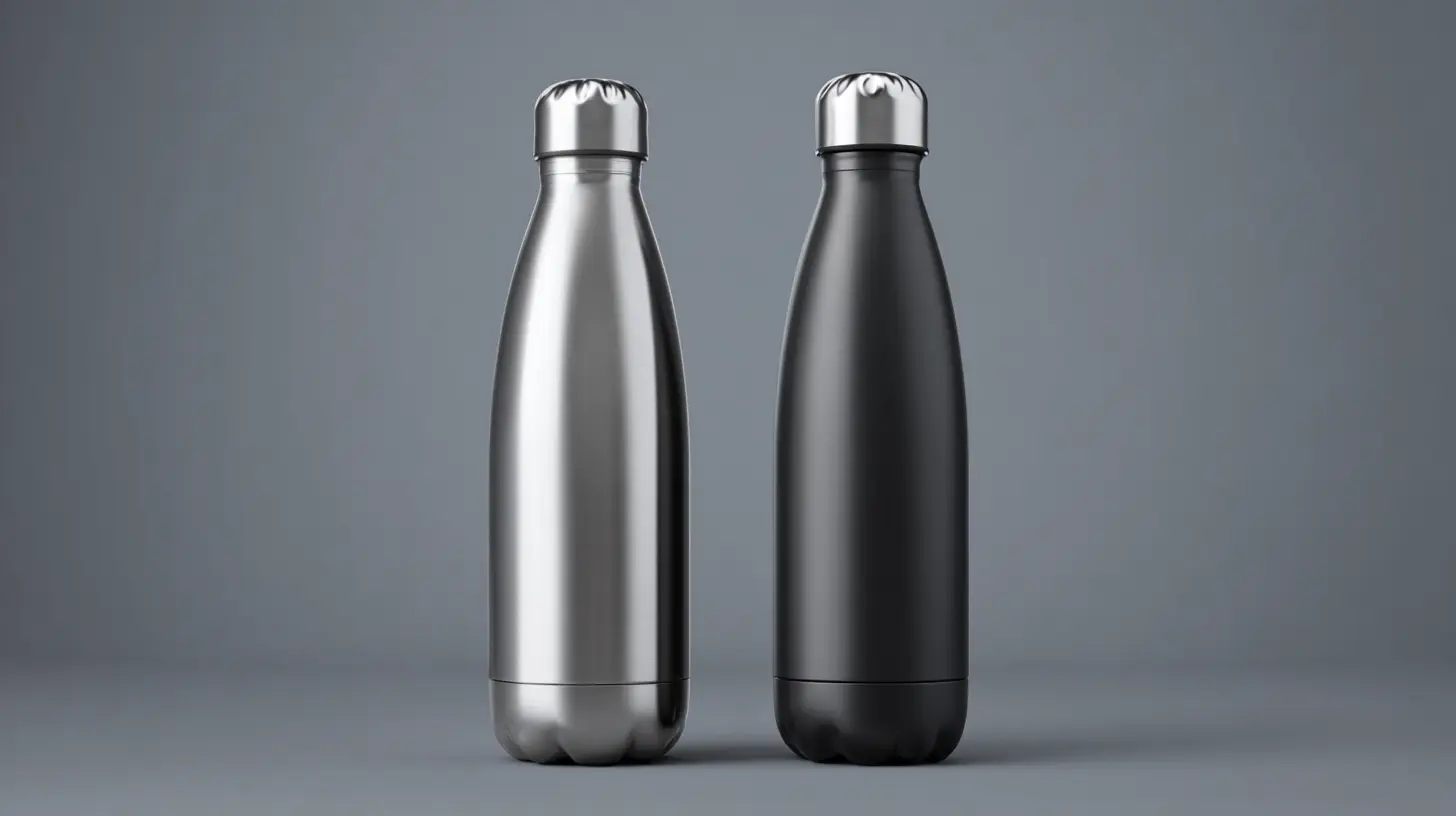
Here is a buying decision most people make in about forty-five seconds and regret at varying levels for the next two years. Single wall or double wall. It sounds technical. It is not, really. The difference comes down to one question: does your day actually require your drink to stay at a specific temperature for hours, or does it not? Everything else follows from that.
The Construction Difference, Explained Without the Jargon
Single wall is one layer of steel. That is it. Fill it, drink from it, wash it. The steel stands right between your beverage and the external environment without any buffer.
Double Wall consists of two layers of steel separated by a vacuum layer. The vacuum is where the magic happens. If you suck out all the air from the gap between the two layers, then you have eliminated the means through which heat moves through conduction and convection. Cold will stay cold while the hot will remain hot. A good double-wall steel bottle can keep your cold beverages cold for 24 hours and your warm beverages hot for about 12 hours, not because steel has magic powers but because vacuum is one of the best thermal insulators that exist.
Single wall does none of that. Fill it with cold water and within a couple of hours the temperature has drifted toward whatever the room is doing. That is not a flaw exactly. It is just physics, and whether it matters depends entirely on how you use the bottle.
The Sweating Problem
Nobody warns you about this when you buy single wall, and it is annoying enough to be worth its own section.
Cold liquid in a single-wall steel bottle chills the outer surface of the steel. Warm air touches that cold surface and the moisture in it condenses. The bottle starts sweating. Visibly, sometimes quite a lot. It leaves rings on your desk. It soaks whatever is sitting next to it in your bag. The grip gets slippery at exactly the moment you are trying to open it quickly.
A double-wall steel bottle does not do this. The outer wall never gets cold because the vacuum between the walls prevents the cold from the liquid reaching it. The exterior stays at roughly room temperature regardless of what is inside. Dry surface, no rings, no wet bag lining.
This sounds like a minor quality of life thing, and it is. Until you are dealing with it every single morning for a year.
When Single Wall Is Actually the Right Answer
Double wall is not automatically the better choice. That framing misses the point.
Weight matters in a real daily way for a lot of people. A single wall steel bottle is noticeably lighter than a double wall equivalent because there is simply less material involved. For someone already carrying a full work bag on a long commute, that difference is felt. Not dramatically. But cumulatively, day after day, lighter is better when everything else stays constant.
Cost is the other side of it. Single wall bottles are cheaper to manufacture and cheaper to buy. If you are buying for a child whose bottle has a reasonable chance of being left on a bus or kicked around a playground, paying considerably more for vacuum insulation that the use case does not require is just money spent poorly.
And if your routine has you at a desk with regular access to water throughout the day, the temperature retention advantage of double wall is functionally irrelevant. You refill before the temperature drift becomes noticeable. A single wall steel bottle does everything you need at a lower cost and weight. Buying double wall in that situation is buying a feature for a problem you do not have.
Matching Construction to Actual Routine
The table below is worth going through honestly rather than just reading past it:
| Daily Routine | Better Choice | Why It Matters |
| Desk-based, regular refills | Single wall | Temperature irrelevant, weight and cost win |
| Long commute with hot drink | Double wall | Holds heat for 12 hours without a flask |
| Full day outdoors | Double wall | Cold retention up to 24 hours |
| School bag for a child | Single wall | Lighter, cheaper to replace if lost |
| Gym session under two hours | Single wall | Room temperature water, no insulation needed |
| Travel with unpredictable access to drinks | Double wall | Both temperature and condensation controlled |
Most buying mistakes with steel bottles happen when someone picks from the bottom of that table when their actual life is at the top of it, or vice versa.
For anyone comparing specific options before deciding, a well-organised steel bottle range with construction type, capacity and weight all clearly listed makes the decision considerably less guesswork than most product pages allow for.
The Durability Conversation
Double-wall construction adds something beyond insulation. Two layers of steel mean the bottle absorbs impact better when dropped. Dents happen less readily. The structure is inherently more robust because there is more material involved.
Single-wall dents more easily. That is just the physics of thinner steel. A dent in a single-wall steel bottle is almost always cosmetic, though. It does not affect how the bottle works.
The failure mode for double-wall is different and worth understanding. If the vacuum seal between the walls is compromised, the insulation stops working. The bottle looks completely normal from the outside. No visible damage. But it no longer keeps anything cold or hot for any meaningful length of time. And there is no fixing it. The seal is gone, and that is the end of the insulation function.
Both constructions last years with normal use. The double wall costs more to replace when it does eventually fail, which is part of the long-term cost calculation alongside the higher upfront price.
Conclusion
Single wall and double wall are not in competition. They are built for genuinely different use cases, and the mistake is treating either as universally superior. A double-wall steel bottle is the right tool when temperature retention and condensation control matter over a long day. A single-wall steel bottle is the right tool when weight, simplicity, and cost matter more than insulation. Know which day you actually have before you decide which bottle belongs in it.