
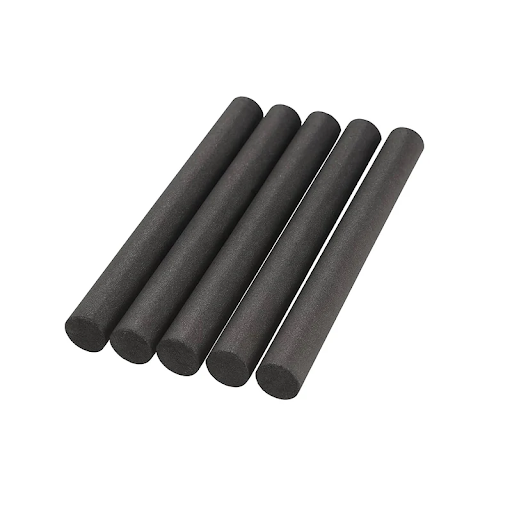
Graphite rods have found a genuine, established role across several distinct industrial applications, largely due to the particular combination of thermal stability, electrical conductivity, and chemical resistance that graphite offers as a material. Understanding where these rods actually get used in practice helps clarify why this material has remained relevant across such a range of different industrial contexts.
Electrical Discharge Machining Applications
Graphite rods are commonly used in electrical discharge machining, a precision manufacturing process that uses electrical discharges to shape metal components with a level of precision that conventional machining methods sometimes cannot achieve. Graphite’s electrical conductivity combined with its ability to hold precise machined shapes makes it a practical electrode material for this specific manufacturing process, which has become an important technique in precision manufacturing across several industries.
Metallurgical and Foundry Applications
Metal processing and foundry operations often use graphite rods in various capacities related to their thermal stability under the extreme temperatures involved in metal melting and casting processes. The material’s ability to maintain structural integrity under these conditions, where many alternative materials would degrade quickly, makes it a practical choice for specific applications within metallurgical processing.
Battery and Energy Storage Manufacturing
Certain battery technologies rely on graphite components, including rod shaped forms, as part of their internal structure, taking advantage of graphite’s electrical conductivity properties. As demand for battery technology has grown significantly in recent years, this has become an increasingly relevant application area for graphite materials generally, including rod shaped components used in specific manufacturing processes.
Semiconductor Manufacturing Processes
Certain stages of semiconductor manufacturing rely on graphite rods for their combination of thermal stability, chemical resistance, and relatively low contamination risk compared to some alternative materials that might otherwise be considered for similar applications within this precision manufacturing context.
Chemical Processing and Laboratory Applications
Graphite’s chemical resistance makes rods made from this material practical for certain chemical processing applications and laboratory uses, where exposure to corrosive substances would degrade many conventional materials relatively quickly. This chemical stability, combined with graphite’s other properties, has made it a relevant material choice across various specialized chemical handling applications.
High Temperature Furnace Components
Industrial furnaces and high temperature processing equipment often incorporate graphite rods as structural or functional components, taking direct advantage of the material’s ability to maintain stability at temperatures that would compromise many conventional alternatives. This application reflects graphite’s fundamental thermal properties being put to practical, repeated industrial use.
Choosing the Right Specification for a Given Application
Across all of these applications, the specific graphite rod specification needed varies significantly depending on the particular demands of each use case, including required density, purity, and dimensional precision. A specification well suited to electrical discharge machining may not be the ideal choice for a high temperature furnace application, which is why understanding the specific requirements of each application remains important regardless of how broadly graphite as a general material category gets used.
Recognizing the Common Thread Across These Uses
The common factor across all of these different applications is a genuine need for graphite’s particular combination of thermal stability, electrical properties, or chemical resistance, properties that are difficult to replicate simultaneously with many alternative materials. Recognizing this common thread helps identify whether a specific application genuinely calls for graphite rods, or whether a different material might serve the purpose just as well at potentially lower cost.
Understanding these specific use cases in real detail, rather than treating graphite as a generic catch all material for anything involving high temperature or electrical conductivity, leads to better decisions about when this particular material is genuinely the right choice for a given project or manufacturing process. That kind of careful, application specific thinking tends to save both cost and disappointment down the line, compared to defaulting to a familiar material without real evaluation of whether it genuinely fits the task at hand.