
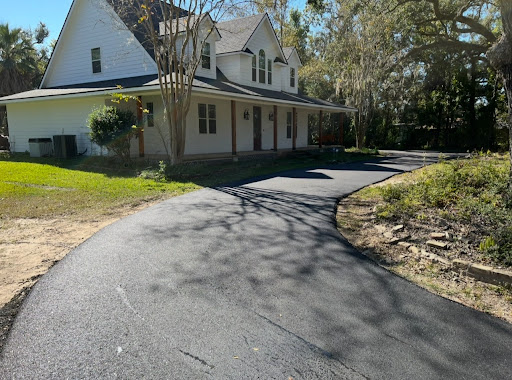
A paving project can look simple from the outside: grade the area, place material, compact it, and let it cure. The reality is more technical. Durable pavement depends on drainage, base preparation, material selection, load expectations, timing, and maintenance. Whether the project involves a driveway, parking area, private road, or commercial surface, planning ahead helps prevent premature cracking, pooling water, soft spots, and uneven wear. These tips explain what property owners should understand before approving paving work.
1. Start With the Way the Surface Will Be Used
The first planning question is not about appearance. It is about use. A residential driveway has different requirements than a parking lot that handles delivery trucks, turning vehicles, or frequent traffic. Heavy loads, tight turning patterns, and repeated braking all place extra stress on pavement.
A good paving plan considers vehicle weight, traffic frequency, drainage patterns, and the condition of the existing surface. If those details are skipped, the finished pavement may look fine at first, but fail sooner than expected. Property owners should be clear about how the area is used daily, not just how they want it to look after installation.
2. Pay Close Attention to the Base
The base is one of the most important parts of any paving project, even though it is hidden once the work is complete. Pavement depends on a stable, compacted foundation. If the base is weak, wet, uneven, or poorly compacted, the surface above it may crack, rut, or settle.
Common base issues include soft soil, inadequate stone depth, poor grading, and trapped moisture. These problems should be corrected before new pavement is installed. Simply covering them can transfer the same issues to the new surface.
Working with an experienced team such as Pelagic Paving can help property owners understand whether the existing base is suitable or needs rebuilding. That evaluation is often the difference between a short-term cosmetic improvement and a pavement system built for regular use.
3. Make Drainage a Priority
Water is one of pavement’s biggest enemies. Standing water can weaken the base, seep into cracks, accelerate surface wear, and contribute to freeze-thaw damage in colder conditions. Even small drainage problems can become expensive when ignored.
Proper paving should guide water away from structures, low spots, edges, and high-traffic areas. This may involve grading, slope correction, drainage channels, or edge planning. Property owners should walk the site after rain before scheduling work, noting where water collects or moves slowly.
Drainage is also a maintenance concern. Leaves, sediment, and debris can block water paths over time. Keeping drains, edges, and low areas clear helps preserve the surface after installation.
4. Choose Materials Based on Function, Not Guesswork
Asphalt, concrete, gravel, and other paving materials each have strengths and limitations. The right option depends on use, budget, climate, maintenance expectations, and appearance goals. Asphalt is often valued for its flexibility and efficient installation. Concrete can provide a rigid surface with different finishing options. Gravel may suit low-traffic or rural applications, but requires periodic reshaping.
Material decisions should also account for thickness, compaction, edge support, and expected traffic. A surface designed for occasional passenger vehicles may not perform well under heavier equipment. A qualified Paving Contractor should explain why a certain material and structure fit the project, rather than offering a one-size-fits-all answer.
5. Avoid Rushing Site Preparation
Paving quality depends heavily on preparation. Removing failed material, correcting grade, compacting the base, setting edges, and preparing transitions all take time. When preparation is rushed, the pavement may develop low spots, weak edges, or inconsistent thickness.
Transitions deserve special attention. Where pavement meets sidewalks, garages, roads, drains, or existing surfaces, the elevation must be planned carefully. Poor transitions can create trip hazards, scraping points, drainage issues, or rough vehicle movement.
Property owners should ask what preparation steps are included before comparing estimates. A lower price may not be a better value if it leaves out excavation, base repair, grading, or compaction.
6. Understand the Curing and Use Timeline
Fresh pavement needs time before it is ready for normal use. The timeline depends on the material, weather, thickness, and project type. Driving, parking, or placing heavy objects too soon can leave marks, depressions, or surface damage.
Property owners should ask when foot traffic, vehicle traffic, parking, and heavy loads are appropriate. They should also avoid sharp turns, kickstands, dumpsters, trailers, or concentrated weight until the surface has properly set.
Weather matters too. Heat, rain, humidity, and cold temperatures can affect installation conditions and curing behavior. Scheduling flexibility helps protect the final result.
7. Build Maintenance Into the Plan
Pavement maintenance should begin before damage becomes severe. Routine cleaning, crack attention, sealcoating when appropriate, drainage upkeep, and edge protection all support longer surface life. Small cracks should not be ignored, because they can allow water to reach the base.
A practical paving plan balances installation quality with ongoing care. Property owners who understand base strength, drainage, traffic demands, and maintenance are better prepared to make decisions that last. With careful planning and the right questions upfront, a paved surface can remain safer, cleaner, and more dependable for daily use.
Long-Term Pavement Value Starts With Better Planning
A practical paving plan balances installation quality with ongoing care. Property owners who understand base strength, drainage, traffic demands, curing time, and maintenance are better prepared to make decisions that last.
With careful planning and the right questions upfront, a paved surface can remain safer, cleaner, and more dependable for daily use. Choosing the right materials, protecting drainage, allowing proper curing, and staying ahead of minor repairs all help extend pavement performance without unnecessary guesswork.