
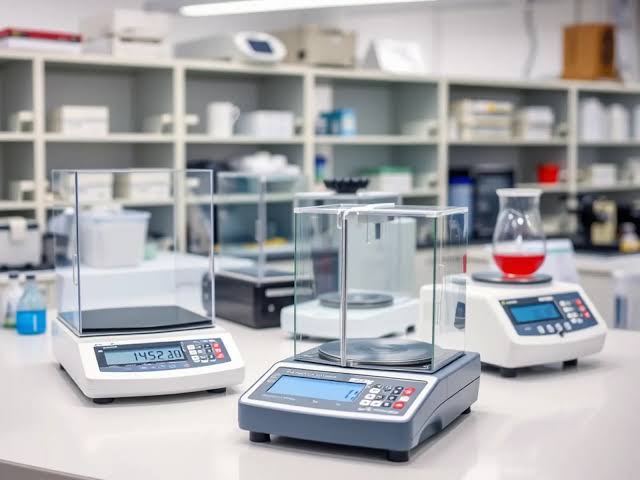
Across today’s manufacturing and processing environments, it is of the utmost importance to achieve high levels of precision. Investment in reliable weighing machines can be an important step for empowering production teams to measure ingredients, components, and finished goods with confidence.
Consistently accurate weighing can feed through to improved batch consistency, material control, regulatory compliance, and cost management.
Together, such areas of optimisation can translate into smoother operations, from goods-in all the way through to despatch.
4 Benefits That Accurate Weighing Can Deliver for Production Operations
Here are some of the positive implications that can be realised when production teams have access to dependable and accurate means of weighing materials and goods:
- It Can Help Reduce Giveaway and Material Waste
Operators dependent on relatively imprecise weighing systems typically increase target weights to make sure they comply with stringent trade and net-weight laws. This means extra product is effectively given away for free.
Even small overfills quickly add up. In the case of high-volume lines handling ingredients or bulk materials valued at hundreds of pounds per tonne, a consistent giveaway of “just” 1% to 2% can still amount to thousands of pounds in lost margin per month.
This underscores what a wise decision it can be for an organisation to invest in accurate weighing systems. Whether the weighing equipment purchased takes the form of bench scales, floor scales, checkweighers, or process-integrated load cells, they could lend themselves to much tighter control of fill weights and dosing.
- It Can Help Improve Consistency and Product Quality
Production lines across recipe-driven industries, such as food and drink, pharmaceuticals, chemicals, and cosmetics, depend on consistently precise ingredient ratios being achieved.
This means that if the weighing of materials for such processes is inaccurate, even any relatively modest variation introduced may affect taste, texture, performance, or efficacy.
It can therefore greatly benefit manufacturers to bring in modern weighing equipment that they can trust to produce genuinely accurate measurements, time and time again. This can support first-time-right batching, while helping to reduce scrap and protect the reputation of the manufacturer’s brand.
- It Can Help Support Regulatory Compliance and Traceability
Manufacturers in countries like the UK are required to comply with various legal and regulatory provisions. These might encompass the likes of weights-and-measures rules, average-weight legislation, and sector-specific provisions (for example, on food safety).
Production staff can feel more assured in their efforts to adhere to these requirements when they have access to accurate and calibrated weighing equipment. Such machines can provide the auditable data needed to demonstrate compliance when the time comes for inspections or customer audits.
If the weighing systems in which the given organisation has invested record weight, time, operator, and batch information, this can strengthen traceability. That’s valuable for improving the quality of any later investigations that may be required, as well as inventory reconciliation.
- It Can Help Enhance Throughput and Operational Efficiency
The fact of weighing being a seemingly basic measurement task doesn’t mean it can’t be a profound driver of automation, speed, and waste reduction for a sufficiently enterprising business.
Manual weighing, after all, tends to be slow and prone to fatigue-related mistakes, neither of which are ideal in a fast-moving industrial, manufacturing, or logistics setting.
By contrast, when the most precise weight data can be consistently achieved, this helps ensure processes can flow seamlessly without the friction of manual checks, product defects, or material bottlenecks.
Conclusion: Weighing Accuracy Can Bring a Multitude of Interrelated Benefits
When it comes to ensuring operations are as efficient, dependable, and cost-effective as they can be, accurate weighing can play an imperative role.
Dependable and repeatable weight measurements can greatly help manufacturers control their consumption of materials, maintain consistent quality, and pick out discrepancies before they deteriorate into more serious problems.
Selecting the right weighing equipment for the job, implementing routine checks, and making effective use of measurement data can further help drive down waste, minimise avoidable rework, and improve production processes.