
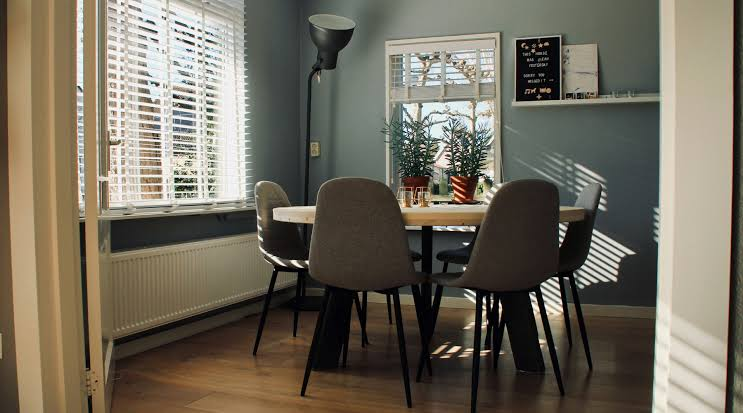
The transition from rural living to urban life is one of the most significant lifestyle shifts a person can experience. It is not just a change in location, but a complete transformation in daily routines, environmental conditions, social interaction, and even mental rhythms. Rural life is often defined by open spaces, slower routines, natural sounds, and stronger connection with nature. Urban life, on the other hand, is faster, denser, more structured, and filled with constant stimulation.
Because of this contrast, many people experience a period of adjustment stress when moving into cities. The goal of successful adaptation is not to replicate rural life exactly in an urban setting, but to redesign the home environment so that it preserves emotional comfort while integrating urban efficiency.
Comfortable settlement depends on how well the home environment supports psychological stability, physical comfort, and lifestyle continuity. With the right adaptation strategies, urban homes can feel just as grounding as rural spaces while still offering modern convenience.
Psychological Shift: From Open Space to Structured Living
One of the first challenges in rural-to-urban transition is the psychological shift from open, expansive environments to compact, structured living spaces. Rural environments often provide visual openness, natural airflow, and a sense of freedom. Urban homes, however, are typically more enclosed and organized, which can initially feel restrictive.
This adjustment affects the nervous system because humans are naturally sensitive to spatial openness and environmental cues. The key to adaptation is creating a sense of perceived space even within limited physical boundaries. This can be achieved through thoughtful interior design, light management, and minimal visual clutter.
Instead of focusing on size, urban homes should focus on perception. A well-arranged small space can feel more comfortable than a large but chaotic one.
Designing Comfort Through Spatial Familiarity
Creating Zones That Reflect Rural Lifestyle Patterns
In rural living, daily life is often naturally segmented without strict boundaries. People move between cooking areas, resting spaces, and outdoor environments freely. Urban homes can replicate this comfort by creating functional zones.
For example:
- A dedicated relaxation corner
- A clearly defined sleeping area
- A separate workspace or study zone
- A small indoor nature-inspired corner
These zones help maintain mental clarity and reduce the feeling of confinement.
Maintaining Visual Openness in Compact Spaces
Urban homes often suffer from visual compression due to furniture density and enclosed layouts. To counter this, visual openness must be intentionally designed.
This can be achieved through:
- Light-colored walls and furniture
- Minimalistic interior arrangements
- Strategic mirror placement to expand perception
- Avoiding unnecessary partitions
The goal is to create psychological openness even when physical space is limited.
Bringing Nature into Urban Home Environments
Biophilic Design for Emotional Stability
One of the strongest differences between rural and urban living is the connection to nature. Rural environments naturally include greenery, open air, and organic textures, which contribute to emotional balance.
Urban homes can recreate this through biophilic design principles, which integrate natural elements into indoor spaces. This includes:
- Indoor plants for freshness and visual calmness
- Natural materials like wood and stone
- Access to sunlight and outdoor views
- Water elements such as small fountains or aquariums
These elements reduce stress and help the mind maintain a connection to nature even in dense environments.
Natural Light as a Substitute for Open Fields
In rural areas, sunlight is abundant and naturally integrated into daily life. In urban homes, access to natural light may be limited due to surrounding buildings.
To compensate:
- Keep windows unobstructed whenever possible
- Use light curtains instead of heavy drapes
- Position frequently used areas near natural light sources
- Reflect light using mirrors or light-colored surfaces
Natural light helps regulate sleep cycles and reduces the psychological sense of confinement.
Noise Adaptation and Urban Sound Management
Transitioning from Natural Silence to Urban Soundscapes
Rural environments are typically quieter, filled with natural sounds like wind, birds, and water. Urban environments, however, include traffic, construction, and human activity, which can feel overwhelming at first.
This shift can create mental fatigue if not managed properly. The goal is not complete silence but controlled sound balance.
Creating Controlled Acoustic Environments
To adapt comfortably:
- Use soundproof curtains or windows where possible
- Introduce soft background sounds like nature audio
- Design quiet zones for rest and recovery
- Use rugs and soft furniture to absorb sound
Over time, the brain adapts to urban sound levels, but initial buffering helps reduce stress during transition.
Air Quality and Indoor Freshness Adjustment
Managing Indoor Air in Urban Settings
Rural air is typically fresher due to open landscapes and vegetation. Urban air can feel heavier due to pollution and limited ventilation. This difference affects energy levels and breathing comfort.
To improve indoor air quality:
- Ensure regular cross ventilation
- Use air-purifying indoor plants
- Keep indoor spaces uncluttered
- Avoid overuse of synthetic fragrances
Fresh indoor air helps recreate some of the comfort associated with rural living.
Establishing Airflow Consistency
Consistent airflow helps maintain mental clarity and physical comfort. Even small habits such as opening windows in the morning or using fans strategically can significantly improve indoor freshness.
Lifestyle Rhythm Adjustment in Urban Environments
From Natural Timing to Structured Scheduling
Rural lifestyles often follow natural rhythms such as sunrise, sunset, and seasonal cycles. Urban life, however, is structured around schedules, deadlines, and fixed routines.
This shift can feel rigid initially, but it also provides stability when properly adapted.
To ease the transition:
- Create consistent daily routines
- Align sleep and wake times with natural light exposure
- Maintain regular meal and rest schedules
Structured routines help the body adjust to urban pace without feeling overwhelmed.
Balancing Activity and Rest
Urban life often encourages constant activity, which can lead to fatigue if not balanced with recovery time. Rural living naturally includes slower recovery cycles, which must be intentionally recreated in cities.
This includes:
- Short breaks during work periods
- Evening relaxation routines
- Device-free downtime
- Weekend recovery practices
Emotional Adaptation and Mental Comfort
Managing Urban Overstimulation
Cities expose individuals to constant sensory input, including noise, visuals, and social interactions. This can lead to overstimulation if not managed properly.
To reduce emotional overload:
- Limit unnecessary digital consumption
- Create calm zones in the home
- Reduce visual clutter
- Practice daily mental decompression routines
Creating Emotional Anchors in Urban Homes
Emotional anchors are familiar elements that provide comfort and stability during transition. These are especially important when moving away from rural environments.
Examples include:
- Personal objects with emotional value
- Familiar scents or traditional decor items
- Dedicated relaxation spaces
- Routine-based comfort habits
These anchors help maintain emotional continuity during lifestyle change.
Designing Urban Homes for Long-Term Comfort
Simplicity as a Core Principle
Simplicity is essential for comfortable urban living. Overly complex or crowded environments increase stress and reduce mental clarity.
A simple home design includes:
- Minimal unnecessary furniture
- Clear walking and movement space
- Organized storage systems
- Calm and neutral color schemes
Simplicity creates mental breathing room in compact urban environments.
Flexibility in Small Living Spaces
Urban homes often require multifunctional spaces. Flexibility ensures that one space can support multiple needs without creating confusion.
Examples include:
- Convertible work and relaxation areas
- Foldable or movable furniture
- Modular storage systems
- Adjustable lighting setups
Social and Lifestyle Integration in Urban Areas
Adjusting to Higher Social Density
Urban environments involve more frequent social interaction compared to rural areas. This can feel overwhelming at first but becomes manageable with boundaries.
Healthy adaptation includes:
- Setting personal time boundaries
- Choosing meaningful social interactions
- Avoiding overstimulation from constant engagement
Building a Balanced Urban Routine
A stable routine helps integrate rural comfort with urban efficiency. This balance ensures long-term adaptability.
A balanced routine includes:
- Structured work periods
- Daily quiet time
- Physical movement or walking
- Consistent sleep cycles
Long-Term Adaptation Success Strategies
Gradual Environmental Adjustment
Successful transition happens gradually. Trying to replicate rural life completely in urban settings is not realistic, but gradual adaptation ensures comfort.
Small improvements over time create lasting stability.
Continuous Home Optimization
Urban homes should evolve based on experience. Regular adjustments improve comfort and efficiency.
This includes:
- Rearranging space for better flow
- Improving lighting and airflow
- Reducing unnecessary items over time
Psychological Acceptance of Change
One of the most important aspects of adaptation is accepting that urban and rural lifestyles are different but can coexist in balance. Emotional resistance slows down adjustment, while acceptance supports smoother integration.
FAQs
What is the biggest challenge in rural to urban transition?
The biggest challenge is adjusting to sensory overload, limited space, and faster lifestyle pace in urban environments.
How can I make my urban home feel more natural?
You can use plants, natural light, wooden textures, and open layouts to recreate a sense of nature indoors.
How long does it take to adjust to urban living?
Adjustment time varies, but most people adapt within a few months when proper routines and environmental changes are made.
Can small apartments feel comfortable like rural homes?
Yes, with proper design, zoning, and minimalism, small spaces can feel very comfortable and emotionally stable.
What helps reduce stress during the transition?
Routine building, reducing clutter, creating quiet spaces, and maintaining emotional anchors all help reduce transition stress.
Final Thoughts
Transitioning from rural to urban living is a deep lifestyle change that affects both environment and mindset. Comfort in urban homes does not come from size or luxury, but from thoughtful adaptation of space, rhythm, and emotional design.
When homes are designed with simplicity, natural elements, structured routines, and psychological comfort in mind, urban living becomes not only manageable but also fulfilling. The key is to blend rural calmness with urban structure in a way that supports long-term stability and well-being.