
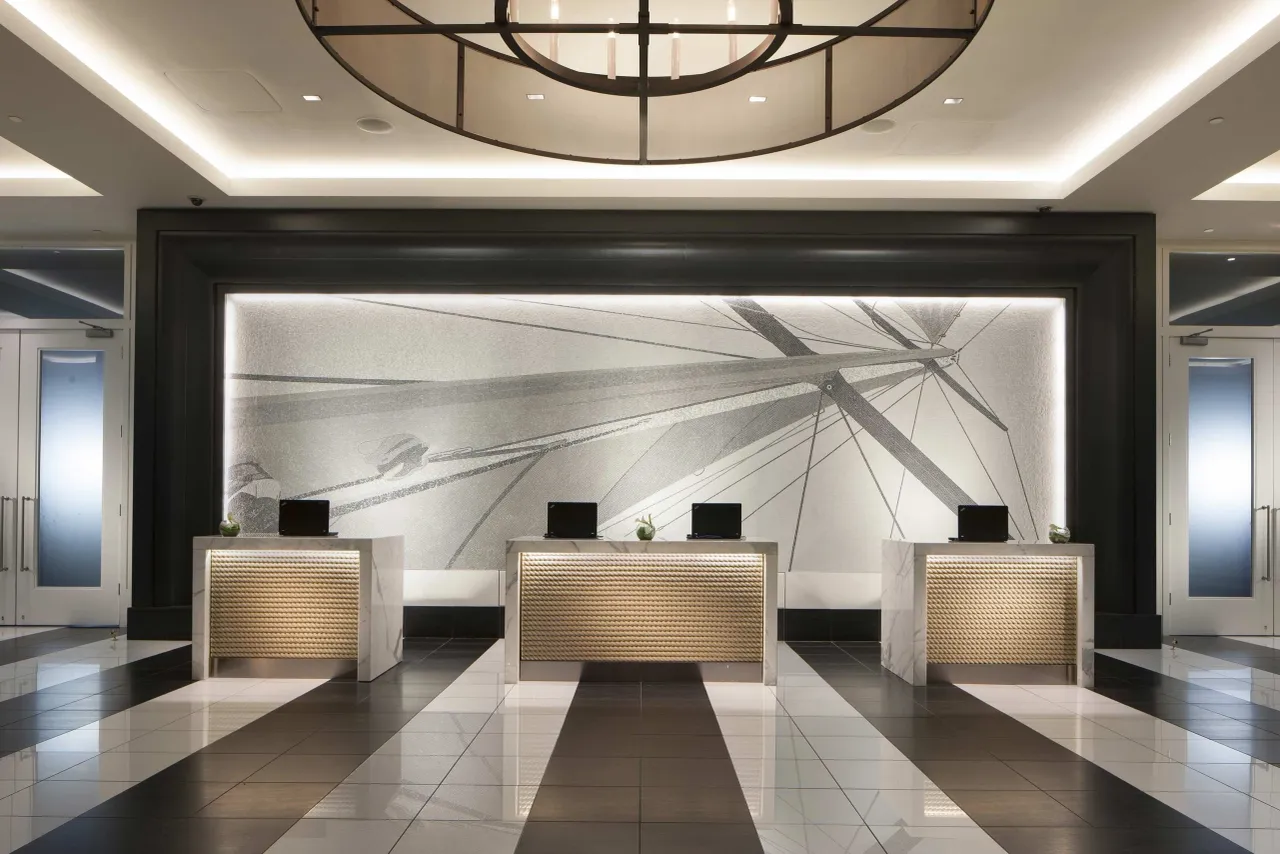
In the hospitality industry, first impressions matter. The moment guests walk into a hotel, restaurant, café, resort, or boutique accommodation, they begin forming opinions based on the environment around them. A thoughtfully designed space can make visitors feel welcomed, comfortable, and eager to return. This is where a hospitality interior designer plays an essential role. By combining creativity with functionality, hospitality designers create spaces that not only look inviting but also enhance the overall guest experience.
Whether you’re launching a new venue or renovating an existing property, investing in professional hospitality interior design can help your business stand out in a competitive market.
What Does a Hospitality Interior Designer Do?
A hospitality interior designer specializes in designing commercial spaces where customer comfort, brand identity, and operational efficiency are equally important. Unlike residential design, hospitality interiors must accommodate large numbers of guests while creating memorable experiences that encourage repeat visits.
Hospitality interior designers work on a wide range of projects, including:
- Hotels
- Resorts
- Restaurants
- Cafés
- Bars
- Boutique accommodations
- Event venues
- Clubs and lounges
- Wellness retreats
- Hospitality reception areas
Every project begins by understanding the client’s goals, target audience, and brand personality before translating those ideas into a functional and visually appealing environment.
Why Guest Experience Matters
Today’s guests expect more than quality service—they also value atmosphere. Comfortable seating, thoughtful lighting, attractive décor, and intuitive layouts all contribute to how customers perceive a hospitality business.
An inviting interior can:
- Encourage guests to stay longer
- Improve customer satisfaction
- Increase repeat visits
- Generate positive online reviews
- Strengthen brand recognition
- Create memorable experiences worth sharing on social media
Interior design has become an important part of the customer journey, influencing both emotions and purchasing decisions.
Balancing Beauty and Functionality
Successful hospitality design is about more than aesthetics. Every design choice should support the practical needs of both guests and staff.
A hospitality interior designer considers factors such as:
- Guest flow throughout the space
- Comfortable seating arrangements
- Accessibility requirements
- Lighting for different times of day
- Noise control and acoustics
- Storage solutions
- Durable materials for high-traffic areas
- Easy maintenance and cleaning
The goal is to create spaces that operate efficiently while maintaining an attractive appearance.
Reflecting Your Brand Identity
Every hospitality business has its own personality. A luxury hotel offers a different experience than a family-friendly restaurant or a modern coffee shop. Interior design should communicate that identity through carefully selected colors, materials, furnishings, and finishes.
A hospitality interior designer works to ensure that every design element aligns with the business’s brand, creating a consistent experience from the entrance to every guest-facing area.
For example:
- Boutique hotels often feature unique local artwork and custom furnishings.
- Fine dining restaurants may use elegant lighting and premium finishes.
- Casual cafés often incorporate warm colors and relaxed seating.
- Beach resorts typically embrace natural materials and open, airy layouts.
Consistency helps guests recognize and remember your brand long after their visit.
Designing Spaces That Encourage Social Sharing
Social media has changed how people choose hotels, restaurants, and travel destinations. Guests frequently photograph attractive interiors and share them online, providing valuable exposure for hospitality businesses.
A hospitality interior designer often incorporates visually appealing features such as:
- Statement lighting
- Decorative feature walls
- Artistic installations
- Stylish furniture
- Greenery and natural elements
- Unique architectural details
These design elements help create spaces that guests naturally want to photograph and share, increasing brand visibility without traditional advertising.
Sustainability in Hospitality Design
Many hospitality businesses are adopting environmentally responsible design practices to reduce operating costs and appeal to eco-conscious guests.
Sustainable design may include:
- Energy-efficient lighting
- Recycled or responsibly sourced materials
- Water-saving fixtures
- Durable furniture with long lifespans
- Improved natural ventilation
- Low-emission paints and finishes
These choices can lower maintenance expenses while supporting environmental goals.
Planning for Long-Term Success
Hospitality interiors experience heavy daily use. Furniture, flooring, lighting, and fixtures must withstand constant traffic while maintaining their appearance.
Professional designers carefully select commercial-grade materials that balance durability with style. This approach helps businesses reduce repair and replacement costs over time.
Flexible layouts also allow spaces to adapt as customer needs change, making future renovations simpler and more cost-effective.
The Design Process
Every hospitality project follows a structured design process to ensure the final result meets both operational and aesthetic goals.
Typical stages include:
Initial Consultation
The designer learns about the business, target audience, budget, and vision for the space.
Concept Development
Mood boards, color palettes, layouts, and design concepts are created to establish the overall direction.
Space Planning
Furniture placement, customer flow, and operational efficiency are carefully planned.
Material Selection
Flooring, lighting, furniture, fabrics, finishes, and décor are chosen based on functionality and design goals.
Project Coordination
The designer collaborates with architects, contractors, suppliers, and other professionals to bring the vision to life.
Final Styling
Decorative accessories, artwork, and finishing touches complete the space and reinforce the brand identity.
Investing in Memorable Guest Experiences
Hospitality businesses compete not only through service but also through the environments they create. A thoughtfully designed space can influence customer satisfaction, encourage repeat business, and strengthen brand loyalty.
A skilled hospitality interior designer understands how design affects emotions, comfort, and customer behavior. By combining creativity with practical planning, they create environments that support business operations while delivering memorable guest experiences.
Whether you’re opening a boutique hotel, renovating a restaurant, designing a luxury resort, or refreshing a café, investing in professional hospitality interior design helps create spaces that guests enjoy, remember, and recommend. Thoughtful design is more than decoration—it is an important part of building lasting relationships with customers and supporting the long-term success of your hospitality business.