
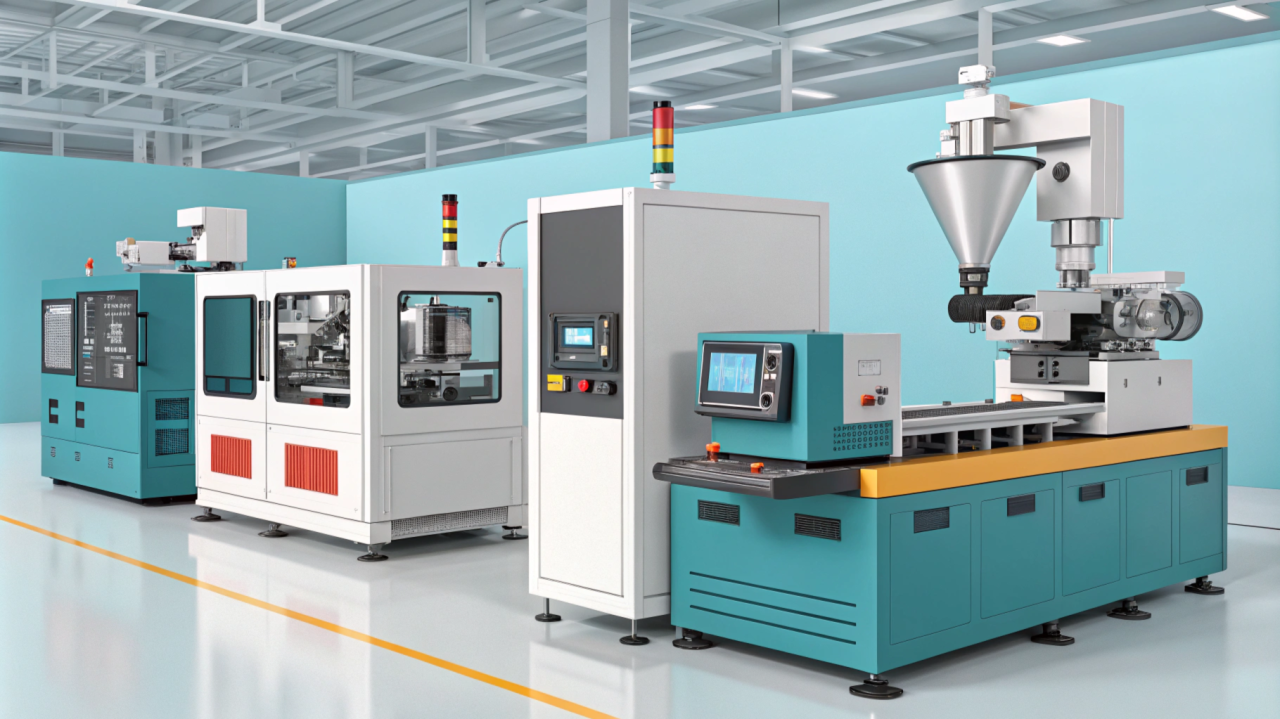
Calculating injection mold costs can feel tricky at first, but it gets clearer once you break it down into simple parts. Many businesses need plastic parts made through injection molding, and the mold itself is often the biggest upfront expense. Knowing how to figure out these costs helps you plan your budget, compare suppliers, and avoid surprises. This guide walks you through the main factors and a practical way to estimate costs step by step.
Why Understanding Mold Costs Matters
Injection molds are the tools that shape molten plastic into your final parts. A single mold can cost anywhere from a few thousand dollars to hundreds of thousands depending on what you need. Getting the cost right helps you decide whether to make the investment, how many parts you need to produce to make it worthwhile, and which supplier offers the best value.
Without a good understanding, you might pick a cheap mold that fails quickly or overpay for features you do not actually need. Good cost calculation also improves negotiations with mold makers and supports your overall product pricing.
Main Factors That Affect Injection Mold Costs
Several key elements determine the final price. Suppliers look at these when they prepare a quote for you.
Mold Material
The type of steel or aluminum used makes a big difference. Basic steel like P20 works for many standard jobs and keeps costs lower. Harder steels such as H13 or stainless steel cost more but last longer, especially if you run abrasive plastics or need high production volumes.
Aluminum molds are lighter and cheaper to machine, which reduces the initial cost. They are a good choice for lower volumes or prototype runs. However, they wear out faster than steel for very high production.
Design Complexity
Simple parts with flat surfaces and straight lines are easier and cheaper to mold. Complex designs with undercuts, threads, textures, or tight tolerances require extra features like slides, lifters, or special inserts. Each added feature increases machining time and cost.
The number of details on the part also affects the mold design. Suppliers spend more engineering hours on complicated molds, and that time adds to the total price.
Size and Number of Cavities
Larger molds need more material and longer machining time, so they cost more. The size of your plastic part directly impacts this.
The number of cavities — how many parts the mold makes in one cycle — is another big factor. A single-cavity mold is cheaper but slower for high volumes. Multi-cavity molds cost more upfront but reduce the cost per part over time because you produce more pieces per shot.
Tolerance and Surface Finish
Tight tolerances and high-quality surface finishes require more precise machining and extra polishing steps. If your part needs a mirror-like finish or very exact dimensions, the mold maker will spend more time to achieve that, raising the cost.
Expected Production Volume
Molds built for low volumes can use simpler construction. High-volume production molds need stronger materials, better cooling systems, and more durable components to handle millions of cycles. This increases the initial investment but lowers the long-term cost per part.
Step-by-Step Guide to Calculating Injection Mold Costs
Here is a practical way to estimate costs yourself or better understand supplier quotes.
Step 1: Define Your Part Requirements
Start with clear specifications. Prepare 3D CAD files, drawings, material type, part size, weight, and required tolerances. List the expected annual or total production volume. The more details you have, the more accurate your cost estimate will be.
Step 2: Break Down the Cost Components
Most mold costs include these main parts:
- Design and engineering fees
- Material costs for the mold base and core/cavity
- Machining and manufacturing labor
- Assembly and fitting
- Testing and sample runs
- Any special features or treatments
Suppliers often add a margin for overhead and profit. Ask for a detailed breakdown when you request quotes.
Step 3: Get Multiple Quotes
Contact several mold makers and send the same clear requirements to each. Compare not only the total price but also lead time, warranty, and included services like sample parts or minor design changes.
Step 4: Calculate Cost Per Part
Divide the total mold cost by the number of parts you expect to produce over the mold’s life. Add the per-part molding cost (material, machine time, labor). This gives you the true cost of each plastic piece and helps decide if the project makes sense.
Step 5: Factor in Hidden Costs
Remember shipping, import duties if the mold comes from overseas, setup costs, and future maintenance. These can add up quickly if not planned for.
Typical Cost Ranges
Small, simple single-cavity molds often range from $2,000 to $10,000. Medium complexity molds with a few cavities usually fall between $15,000 and $50,000. Large, multi-cavity, high-precision molds for demanding applications can cost $100,000 or more.
These are general numbers. Actual prices depend heavily on your specific part and current market conditions for steel and machining.
Ways to Reduce Injection Mold Costs
You can lower costs without sacrificing too much quality. Simplify your part design where possible. Remove unnecessary features or combine several parts into one. This reduces mold complexity.
Consider using standard mold bases instead of fully custom ones. Choose aluminum for prototypes or lower volumes. Plan for family molds that produce multiple different parts in the same cycle if your project allows it.
Order molds in advance to avoid rush fees. Build a good relationship with a reliable supplier for better pricing on future projects.
Long-Term Costs and Maintenance
The initial mold price is only part of the story. Regular maintenance keeps the mold running efficiently and extends its life. Without proper care, even the best mold can develop issues like flash, sticking parts, or wear on critical surfaces.
Following a good routine helps avoid expensive repairs or replacement. For a helpful resource, check this plastic injection mold maintenance checklist to keep your mold in top condition.
Maintenance tasks include cleaning, lubrication, inspection of moving parts, and checking cooling channels. Budget for spare parts like ejector pins and o-rings too.
Common Mistakes in Cost Calculation
Many people focus only on the lowest quoted price. This can lead to poor quality molds that need frequent fixes or fail early. Always evaluate the supplier’s experience and capabilities.
Another mistake is underestimating production volume. A mold that seems expensive may actually be cheaper per part if you produce large quantities.
Skipping the sample approval stage often results in costly design changes after the mold is built. Take time to review everything carefully upfront.
Working with Suppliers on Cost
Be open with suppliers about your budget and volume expectations. Experienced mold makers can suggest design changes that reduce cost while still meeting your functional needs.
Ask questions about their cost structure. Understand what is included in the quote and what might be extra, such as engineering changes or additional samples.
Final Thoughts on Injection Mold Cost Calculation
Calculating injection mold costs involves looking at materials, design, size, cavities, and production volume. By following a clear step-by-step process and getting detailed quotes, you can make informed decisions that fit your business needs.
Take time to prepare good part files and requirements before contacting suppliers. Compare options carefully and consider total ownership costs, not just the purchase price. With the right approach, you can get a quality mold that produces consistent parts and delivers good value over its entire life.
Whether you are ordering your first mold or expanding production, understanding these cost factors puts you in control. Use this information to talk confidently with mold makers and build successful manufacturing projects. Planning ahead and focusing on long-term value will help your business save money and avoid problems down the road.
Stay in touch to get more updates & news on Building Business News!