
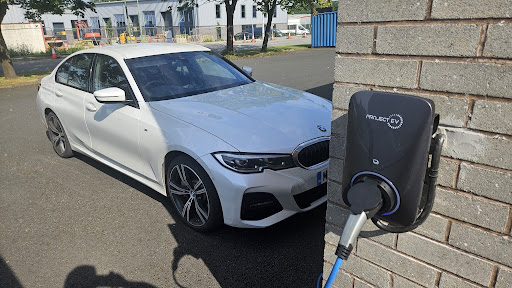
Introduction
Switching to an electric vehicle is an exciting step, but owning an EV involves more than choosing the right car. One of the biggest decisions is how and where you will charge it. Public charging stations can be useful when travelling, but having a dedicated charger at home or at your workplace can make everyday EV ownership considerably easier.
For drivers considering EV Charger Installation Telford the right setup can provide a convenient and dependable way to keep a vehicle ready for the next journey. From choosing the charging speed to deciding where the unit should be installed, several factors need to be considered before electrical work begins.
Professional EV Charger Installation Shropshire services can also help property owners avoid unsuitable equipment, poor cable routing and installation decisions that may cause problems later.
Why Install an EV Charger at Home?
Charging an electric vehicle from a suitable dedicated charger is often more practical than relying entirely on public charging points. Instead of planning a separate trip to find a charger, drivers can plug in when they arrive home and allow the vehicle to charge while they are working, relaxing or sleeping.
This is particularly useful for people with regular commuting routines.
A home charger can also provide greater flexibility. Rather than waiting until the battery is almost empty, EV owners can top up their vehicle whenever it suits their schedule. Depending on the charger, vehicle and electricity tariff, charging at home may also help reduce running costs compared with some public charging options.
There is another advantage that is easy to overlook: familiarity. Once a properly installed charger becomes part of your daily routine, charging can feel as straightforward as plugging in your phone overnight.
Choosing the Right EV Charger for Your Property
Not every EV charger delivers the same charging speed. Different systems are designed for different environments, vehicles and usage patterns.
Slow Chargers
Slow charging systems, typically around 3kW, can be suitable where a vehicle is parked for extended periods. An overnight charge can take approximately eight to ten hours, making this type of charging more appropriate for some low-mileage users or workplace situations.
However, homeowners should consider how frequently they drive and how quickly they need the battery replenished before selecting this option.
Fast Chargers
Fast chargers, commonly available at 7kW and 22kW, offer a more practical solution for many residential and commercial applications. Charging times can vary depending on the vehicle and installation, but these systems can provide substantially quicker charging than basic alternatives.
For many EV owners, a 7kW home charger can offer a useful balance between charging performance and everyday practicality.
Rapid Chargers
Rapid chargers can operate at around 50kW and are generally associated with public charging infrastructure. They can replenish a significant portion of an EV battery considerably faster than domestic systems.
Because of their power requirements and installation considerations, rapid charging is not normally the straightforward choice for an ordinary residential driveway.
Ultra-Rapid Chargers
Ultra-rapid systems of 150kW or more represent another level of charging performance. They are designed to minimise charging time and are more commonly associated with dedicated public charging locations.
The fastest charger is not automatically the best charger for every property. Your vehicle’s capabilities, electrical supply, parking arrangements and daily driving habits should all influence the decision.
What Does EV Charger Installation Actually Involve?
Installing an EV charger is more than simply attaching a box to an outside wall.
A qualified electrician needs to consider the property’s existing electrical system, the proposed charger location, cable routes and the electrical load required by the installation.
The first stage should therefore be an assessment of the property.
1. Property and Electrical Assessment
Before installation, an electrician can evaluate the available electrical infrastructure and determine whether the proposed charger is appropriate. They can also discuss where the unit should be positioned and how the cable can be routed safely and neatly.
This assessment is particularly important for properties where the parking area is some distance from the main building.
2. Selecting the Installation Route
Cable routing can have a major impact on the finished appearance of an installation. A well-planned route can minimise unnecessary visible cabling while keeping the system accessible and practical.
In some situations, additional groundwork may be required, especially when the charger is positioned away from the main property or garage.
3. Professional Installation
Once the plan has been established, the charger can be installed and connected as part of the property’s electrical system. A professional installation should prioritise safety, correct equipment selection and compliance with applicable electrical requirements.
The goal isn’t simply to make the charger work. It should be installed in a way that remains reliable and practical for regular use.
4. Testing and Demonstration
Testing is an important final stage. After installation, the system should be checked to ensure that it operates correctly.
A useful handover should also explain how to operate the charger and, where applicable, use its associated controls or app. This gives the vehicle owner confidence before they begin using the system independently.
Benefits of Professional EV Charger Installation in Shropshire
Choosing professional EV Charger Installation Shropshire can provide several advantages beyond simply having a charging point on the wall.
Improved Convenience
A dedicated charger at home or work means charging can become part of your normal routine. There is less need to depend entirely on public infrastructure for everyday journeys.
Better Charging Planning
A suitable charger can be selected around your driving habits. Someone who travels short distances each day may have very different requirements from a driver covering long commutes.
Professional advice can help match the installation to actual usage rather than simply choosing equipment based on its maximum advertised charging speed.
Neater Installation
The physical appearance of an EV charger matters, particularly when it is installed on the front of a home or another highly visible area.
Careful planning can help achieve a clean installation while keeping cables and equipment appropriately positioned.
Greater Confidence in Electrical Safety
EV chargers are designed to handle significant electrical loads. Having the installation assessed and completed by appropriately qualified professionals can give property owners greater confidence that the system has been installed correctly.
Support for Businesses
EV charging is not limited to residential properties. Businesses in Telford and across Shropshire can consider charging facilities for company vehicles, employees or visitors.
Commercial installations may require a more detailed approach because of larger electrical systems, multiple charging points, operational requirements and future expansion.
A commercial electrician with experience in areas such as three-phase systems, electrical testing, data cabling and security infrastructure can take a broader view of the site’s electrical requirements.
Why Experience Matters When Installing an EV Charger
EV technology continues to develop, so installation work needs to be approached with current electrical practices and equipment in mind.
An experienced electrical contractor can bring knowledge of both traditional electrical systems and newer technologies. For example, Severn Volts Limited states that its technicians are trained to City & Guilds standards and work to BS7671 requirements. The company also highlights more than 20 years of electrical experience and ongoing professional development.
The company describes its EV service as a tailored process covering consultation, installation, testing, handover and ongoing support.
These stages are valuable because a good installation should not end when the electrician leaves the property. The customer should understand how the charger works and know where to turn if assistance is needed later.
Home or Commercial EV Charging: What Should You Consider?
Before requesting an installation quote, it is useful to think about a few practical questions.
How far do you drive each day?
Your daily mileage can help determine how quickly you need to replenish the battery.
Where is the vehicle normally parked?
The ideal charger position depends on the parking arrangement and distance from the property’s electrical supply.
Do you have more than one EV?
If your household or business expects to operate multiple electric vehicles, future charging requirements should be considered during planning.
Could your requirements change?
A charger may remain in place for many years, so it makes sense to think beyond your current vehicle and driving habits.
Is additional groundwork required?
Properties with detached garages, distant parking spaces or unusual layouts may require more extensive installation work.
Discussing these points with an electrician before installation can help prevent surprises and produce a more suitable solution.
EV Charging as Part of a Greener Future
Electric vehicles are increasingly becoming part of everyday transport, and accessible charging infrastructure is essential to supporting that transition.
Charging an EV can reduce dependence on conventional fossil-fuel-powered transport, while home charging can make it easier for owners to use renewable electricity where available.
For homeowners, the environmental benefit is only one part of the picture. Convenience, running costs and charging flexibility are often equally important reasons for installing a dedicated charger.
For businesses, providing EV charging can also demonstrate a commitment to modern transport options while creating an additional facility for employees, customers or company vehicles.
What Makes a Good EV Charger Installation?
The best installation is not necessarily the one with the most powerful charger or the most expensive equipment.
Instead, it should be the system that fits the property, vehicle and routine.
A successful project combines:
- The appropriate charger capacity
- A suitable installation location
- Safe and practical cable routing
- Professional electrical installation
- Thorough testing
- Clear customer guidance
- Reliable after-installation support
Taking this approach helps ensure that the charger becomes a useful part of the property rather than simply another piece of electrical equipment.
Conclusion
Installing an EV charger is an investment in the everyday convenience of electric vehicle ownership. For homeowners and businesses looking for EV Charger Installation Telford, careful planning is just as important as choosing the charger itself.
From assessing the property’s electrical system and selecting an appropriate charging speed to planning cable routes and testing the completed installation, every stage contributes to the final result.
Whether you need a charger for a family vehicle, a workplace car park or a commercial fleet, professional EV Charger Installation Shropshire can help create a charging setup that is practical, safe and suited to your requirements.
With the right equipment and a carefully planned installation, charging your EV can become one of the simplest parts of your daily routine.
If you want, I can also make the next version more SEO-focused for guest posting, with a stronger keyword distribution, semantic keywords, FAQs, and a different search intent so it doesn’t resemble this article.