
Introduction
Packaging is often treated as the final step in preparing a product for delivery, but for fragile, valuable, or unusual items, it is part of the protection system itself. A standard box may hold an object, yet it does not necessarily prevent movement, impact, pressure, or surface damage during handling and transportation.
This is where Bespoke Foam Packaging becomes particularly useful. Instead of forcing a product into a generic container, custom foam packaging can be designed around the dimensions, shape, weight, and protection requirements of the item. The result is a more secure fit and a packaging solution that can serve practical, storage, display, and presentation purposes.
For businesses, collectors, museums, manufacturers, and organisations handling delicate products, choosing the right protective material can make a significant difference.
What Is Bespoke Foam Packaging?
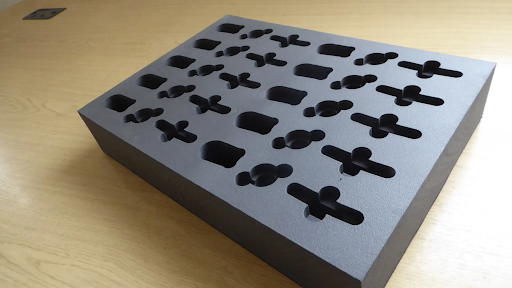
Bespoke Foam Packaging is a custom-made protective solution created to suit a particular product rather than a standard size. Foam can be cut and shaped into cavities, supports, linings, and compartments that hold an item securely inside its outer packaging.
One material commonly used for specialist foam applications is Plastazote, a lightweight closed-cell foam known for its durability, smooth surface, and availability in different colours. Its versatility allows packaging designers to create solutions for objects with unusual shapes or sensitive surfaces.
The important distinction is that bespoke packaging starts with the item being protected. Measurements, geometry, handling requirements, and the intended application can all influence the final design.
This approach is particularly valuable when a product cannot safely be protected by loose-fill material or a generic insert.
Why Custom Foam Protection Makes Sense
A major weakness of generic packaging is unused space. If an item can move freely inside a box, an impact from outside can cause it to collide with the packaging or another object. A poorly fitted insert can create similar problems.
Custom foam helps address this issue by creating a controlled environment around the product.
1. A More Secure Fit
Foam inserts can be shaped to accommodate the contours of an object. Instead of relying on excessive wrapping or loose cushioning, the packaging can provide dedicated support around important areas.
This is useful for products with irregular shapes, delicate components, or valuable surfaces.
2. Protection During Transportation
Items can experience vibration, knocks, compression, and sudden movement while being transported. Properly designed foam can act as a cushioning layer between the product and external forces.
For artwork, sculptures, specialist equipment, and other fragile objects, this additional protection can be particularly important.
3. Better Organisation
Custom foam is not limited to protecting a single item. It can also be divided into compartments, making it suitable for collections of smaller objects.
For example, coins, medals, tools, components, or specialist accessories can each have their own dedicated position. This reduces unnecessary movement while making the contents easier to identify.
4. A Professional Appearance
Protection and presentation do not always have to be separate considerations. A cleanly cut foam insert can give a product a structured and professional appearance.
Different colours and finishes can also be incorporated into the design, making custom foam suitable for premium packaging, exhibitions, corporate presentations, and product launches.
Bespoke Foam Packaging vs. Polystyrene Packaging
Polystyrene Packaging is another familiar option within protective packaging. It is lightweight and has traditionally been used for cushioning and creating protective shapes around products.
However, the most suitable material depends on the application.
Polystyrene can be useful where lightweight cushioning and economical protection are the main priorities. It is frequently associated with shaped protective pieces used inside cartons and shipping containers.
Bespoke foam solutions, on the other hand, can provide a more tailored approach where appearance, fit, surface contact, storage, or specialist handling requirements are important.
The choice should therefore not simply be based on which material is cheapest. Businesses should consider the product’s value, shape, fragility, transportation conditions, storage period, and presentation requirements.
For some applications, Polystyrene Packaging may provide an effective practical solution. For others, a precision-cut foam material such as Plastazote may be better suited.
Where Bespoke Foam Packaging Can Be Used
Custom foam has applications far beyond ordinary shipping.
Protecting Coins and Medals
Collectors and organisations responsible for valuable collections need storage systems that keep individual pieces secure and organised.
Foam can be precision-cut into compartments within drawers or cases, helping prevent coins, medals, and similar items from moving around. This makes it possible to combine protection with an organised storage layout.
Supporting Museum and Exhibition Displays
Objects displayed in museums, galleries, exhibitions, or specialist collections may require carefully designed supports.
A custom foam mount can be produced to hold an artefact or display item in the desired position. This can help improve stability while also contributing to the visual presentation of the exhibit.
Packaging Artwork and Sculptures
Fine art and sculptures can have unusual dimensions and delicate surfaces, making conventional packaging difficult to use effectively.
Custom-cut foam can provide cushioning around vulnerable areas while creating a structured protective environment inside a shipping container. This is especially useful when an item has to travel between locations for exhibitions, sales, restoration, or storage.
Long-Term Archival Storage
Packaging for historical objects should do more than protect against physical knocks. The materials used around an item can also matter when objects are expected to remain stored for long periods.
Specialist foam solutions can be considered for archival applications involving museums, galleries, collectors, and organisations responsible for historical artefacts.
Premium and Presentation Packaging
Sometimes packaging is part of the customer’s experience.
Luxury products, corporate gifts, specialist products, and limited-edition items can benefit from a custom insert that presents the contents neatly as soon as the packaging is opened.
A carefully designed foam interior can therefore serve two purposes: keeping the product secure and making the presentation feel intentional.
What Should You Consider Before Ordering Custom Foam?
Choosing custom packaging should begin with the product rather than the packaging material.
Start by considering the dimensions and shape of the item. Are there fragile sections that require additional support? Does the product have a delicate finish that needs protection from contact? Will the packaging be used primarily for transportation, storage, display, or presentation?
The expected handling conditions should also be considered.
An item travelling through a courier network may require a different level of protection from an object that will remain inside a museum display case. Similarly, packaging intended for repeated use may need different characteristics from a single-use shipping insert.
The outer box is another important consideration. A foam insert should work as part of the complete packaging system rather than being designed in isolation.
Why the Box and Insert Should Be Designed Together
Protective packaging works best when its components complement one another.
For example, using an extremely strong carton with an unsuitable internal fitting may not provide the most efficient overall solution. Conversely, an under-designed box can compromise an otherwise effective internal protection system.
A coordinated approach allows the outer carton and internal fittings to be considered together. The objective is to achieve sufficient protection without unnecessarily increasing material use, storage requirements, or overall cost.
This is one reason a complete packaging service can be valuable. When the same packaging specialist considers the box, fittings, and protective materials together, there is less risk of creating an unbalanced solution.
Benefits of Choosing a Custom Packaging Approach
The advantages of Bespoke Foam Packaging extend beyond basic cushioning.
Improved product security: Custom cavities and supports can reduce unwanted movement.
Efficient use of space: Packaging can be designed around the product instead of relying on excessive empty space.
Professional presentation: A clean and structured interior can improve the appearance of premium products.
Versatile applications: Custom foam can be used for transportation, storage, exhibitions, collections, and presentation.
Better organisation: Multiple objects can be given dedicated compartments.
Reusable potential: Depending on the design and application, a custom insert may be suitable for repeated handling and storage.
Material flexibility: Different foam types can be considered according to the protection and presentation requirements of the item.
Conclusion
The right packaging does more than place a product inside a box. It creates a protective environment designed around how that product will be handled, transported, stored, or presented.
Bespoke Foam Packaging is particularly valuable when standard packaging cannot provide the required fit or level of control. Custom-cut foam can support fragile objects, organise valuable collections, protect artwork, assist with archival storage, and create a polished presentation for premium products.
Polystyrene Packaging also remains a practical option for many conventional protective applications, but specialist projects may benefit from materials and designs selected specifically around the item.
Ultimately, the best packaging solution is one that balances protection, practicality, appearance, and cost. By considering the product and its journey first, businesses and organisations can develop packaging that does its job effectively rather than simply putting another layer around the item.