
The qualities of a good leader do not just include decision-making and understanding what should be done. Good leaders are also aware of people’s issues, pressures and their impact on people. Such an aspect of leadership can be called emotional intelligence in leadership. A leader can possess excellent technical skills but fail to understand how to listen, handle frustration or communicate with people. Emotional intelligence enables leaders to cope with such aspects of work that are related to humans. It can influence trust, communication and people’s feelings towards their leader.
What Emotional Intelligence Means
According to experts, emotional intelligence can be defined as the capacity to perceive and control emotions in yourself and in others. Such skills may prove helpful in the workplace.
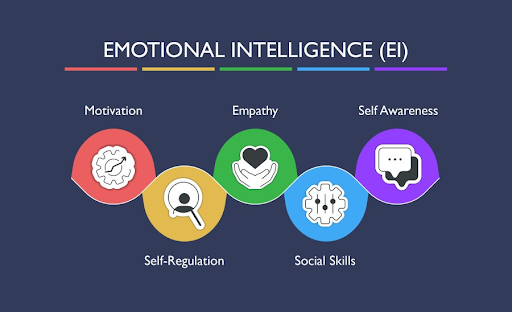
There are certain skills that can be considered parts of emotional intelligence. These are self-awareness, emotional regulation, empathy, social awareness and relationship building skills. None of these skills demand that a leader should be flawless.
Why Leaders Need Self-Awareness
Self-awareness is an important step towards good leadership. The leader should first become aware of his reaction in order to manage it. For instance, one can become aware that he gets angry in case meetings go on long. Without becoming aware of such reactions, he can either start interrupting people or talking fast. Once he becomes aware, he will know what to do differently.
Such a little step will have a great effect on the entire team. Moreover, self-aware leaders tend to become aware of both their weaknesses and strengths. Such leaders can take criticism without considering it as criticism. It makes employees more open in giving opinions and ideas.
Managing Emotions Under Pressure
Being a leader is not easy because at any time, deadlines might be altered, errors made, or arguments might arise. Remaining calm does not mean the absence of emotions. Anger, anxiety, or disappointment are normal for everyone. The point is what follows these emotions.
The leader who takes some time before responding will not make the regrettable statement because he will have time to think instead of just reacting to the emotions.
This also works in the case of a team. Many people follow their leader, so when he remains calm in the difficult situation, his employees will be able to concentrate more on solving the issue.
Listening Builds Better Teams
Good leadership not only entails clear communication; listening is important too. Workers wish to be heard about their concerns. Simple habits can help. Keep your cell phone away when engaging in conversation. Do not prepare an answer while someone is still speaking. Ask for clarification in case you need it.
The above might sound like minor issues but they can make a huge difference. People will find themselves more open about expressing out their concerns, seeking assistance and suggesting solutions.
Empathy Without Losing Authority
There are individuals who believe that empathy makes a leader too soft. On the contrary, being empathetic does not entail overlooking bad behavior and not discussing tough issues.
An employer will know that the employee had a bad week but still talk to him about the missing work or the problem at hand. The main thing is how the discussion is carried out.
While other leaders would jump to conclusions, saying that the individual is being irresponsible, a good leader will first find out why this happened.
Sometimes there could be reasons which only the individual knows. It may make feedback constructive. Employees will be able to appreciate what they need to change.
Trust Takes Consistency
Trust does not come after a single impressive conversation; trust builds up over time through repeated actions. If the leader promises to be accessible for listening, he should take some time to do that. When the leader asks the employees to speak out on their errors, he should not make fun of them when the mistakes are mentioned.
This is because consistency is important since the employees will recognize the pattern. An inconsistent manager, who is nice today and harsh the next day, will confuse everyone on how to handle him. An emotionally intelligent leader tries to establish an environment where everybody knows what to expect from him.
Handling Workplace Conflict
Not all conflict means a bad team. Everyone is unique and has their own point of view and way of working. Conflicts happen when they are left to simmer or dealt with improperly.
An emotionally aware leader can see through the conflict to its core. This person may try to find out why there is a conflict and if both people feel misunderstood.
The result of conflict discussion is not always complete agreement. Sometimes the best result is finding an actual way for them to cooperate even having these conflicts.
Proper conversation helps to avoid escalation of conflict into something bigger and shows that employees can discuss issues instead of avoiding them.
Conclusion
The success of any leader comes with the human element, which sometimes gets overlooked. The ability to comprehend emotions, learn to listen and react well is capable of changing the dynamic of an entire team. Emotional intelligence in leadership does not mean being nice and making things easier all the time. It means dealing with both people and pressures with increased awareness. Leaders who develop such skills will be able to create better working relations and more open teams. For further advice on workplace wellbeing and personal development, please refer to Pinnacle Wellbeing.