
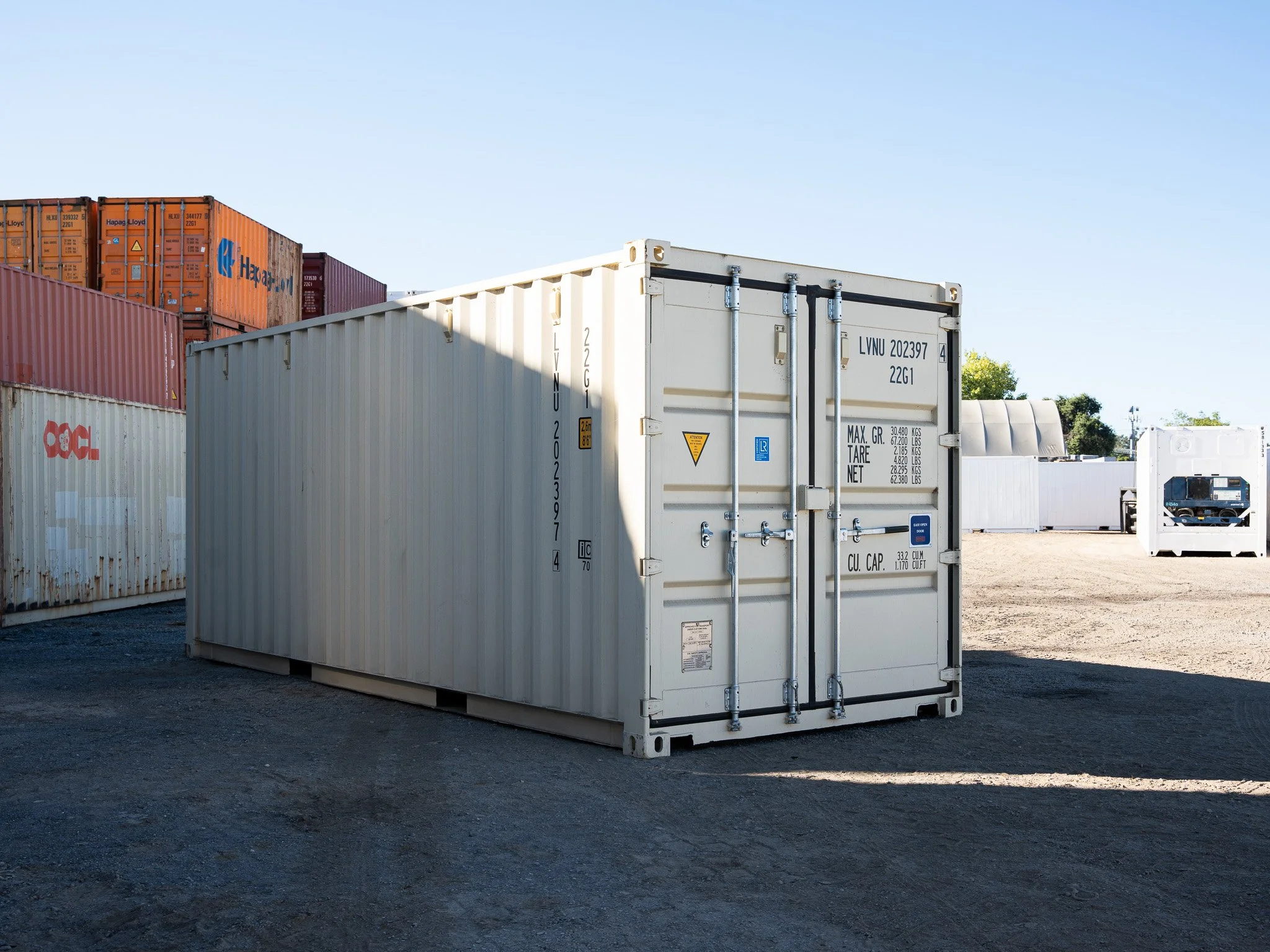
Selecting the appropriate container is one of the most practical decisions you’ll make when planning a cleanup, remodel, move, or construction project. The right container reduces costs, minimizes delays, and simplifies logistics. The process demands attention to what you’re disposing of, how much material you’ll handle, and how the container will fit on your site. This article walks through the key considerations and offers guidance to match a container type to your project’s needs.
Match the Container to the Material
Different containers are designed for different kinds of loads. A landscaping project generates organic waste that can often be composted or handled more loosely, while demolition and renovation produce heavy, bulky debris like concrete, bricks, and old fixtures. For heavy materials, look for containers rated for high weight capacities and reinforced floors to prevent damage during loading and transport. Light, bulky items such as household junk or insulation may be better served by a larger-capacity, low-profile option to avoid exceeding weight limits before you run out of space. Always ask suppliers about prohibited items—hazardous materials, certain electronics, and chemicals often require special handling or separate disposal.
Consider Container Type and Accessibility
Container types include roll-off dumpsters, front-load bins, portable storage units, and enclosed containers for secure storage. Roll-off dumpsters are the go-to for construction and large cleanouts because they’re easy to load from the top and come in various volumes. Portable storage units provide on-site storage for belongings or sensitive items during a move or renovation; they are lockable and weatherproof for longer-term use. Enclosed containers are preferable when you need security or protection from the elements. Ensure the container you choose allows convenient loading—drive-up access for heavy items, wide doors for appliances, or lower side walls for easier manual loading can make a big difference in efficiency and safety.
Size Matters — How to Estimate Capacity
Estimating capacity is a mix of measurement and experience. Visualize the volume of material you expect to remove by measuring the dimensions of the area or the pile you’re cleaning out. Keep in mind that bulky materials can create lots of volume without much weight, while dense materials will hit weight limits quickly. It helps to discuss your project with a rental provider; they can often suggest an ideal container based on similar jobs they’ve serviced. For those comparing options, a quick way to refine your choice is to compare dumpster sizes and weight limits side by side, which gives insight into which model will hold your expected load without excess cost.
Site Constraints and Placement
Before delivery, plan where the container will sit. Containers require a stable, level surface—and for residential placements, you’ll want to protect driveways with plywood or boards to prevent scratching or cracking. Check for overhead obstructions like tree branches or low wires that could interfere with delivery or pickup. If you need the container on a public street, confirm whether a permit is required and who is responsible for obtaining it. Some municipalities also require specific spacing or visibility considerations for safety.
Budgeting and Duration
Rental pricing commonly depends on size, rental period, weight allowances, and geographic location. Some companies charge a flat rate for a set time, while others layer on pickup, disposal, and overage fees. Understanding the typical disposal rate for your material type helps avoid surprise charges. If your project is likely to take longer than a week, inquire about extension policies and whether a swap-out option is available so you can exchange a full container for an empty one without double-paying for a second full rental.
Environmental and Disposal Considerations
Responsible disposal is part of choosing a container. Many vendors offer recycling and sorting services that divert wood, metal, and concrete from landfills. If sustainability is a priority, ask about destination facilities and recycling rates. For hazardous or regulated materials, work with a specialist to ensure proper handling and documentation. Proper sorting at the point of disposal reduces contamination and lowers costs for recycling processors.
Safety and Loading Best Practices
Place heavy items evenly and avoid overloading one side of the container to maintain balance during transport. Break down bulky items where possible to maximize space and reduce the risk of items shifting. Wear appropriate protective gear while loading, and keep children and pets away from the work area. If manual loading is extensive, consider mechanical assistance or enlist professional labor to prevent strain injuries.
Choosing a Reliable Provider
A reputable provider makes the process far easier. Look for clear pricing, transparent weight fees, responsive customer service, and flexible scheduling. Ask about insurance coverage for damage during delivery and pickup and verify the company’s reputation through local reviews or references. Reliable providers will also advise on local regulations, permit requirements, and best practices for preparing your site.
Final Steps Before Ordering
Confirm the exact pickup and drop-off dates, verify the total cost including possible overage fees, and make sure the delivery location is accessible. Prepare the area by clearing obstacles and marking the desired placement clearly, and protect finished surfaces with boards if necessary. If there’s any uncertainty about the volume or type of material, choose a provider with easy exchange options to avoid costly overruns.
Choosing the right container for your project requires balancing volume, weight, accessibility, cost, and environmental considerations. By evaluating the material types, site limitations, and duration of your job, and by working with a provider who communicates clearly and offers flexible options, you can keep your project on schedule and within budget. Take a moment to measure and plan carefully before you order—those small efforts up front translate to smoother work and fewer surprises down the line.
Stay in touch to get more updates & news on Building Business News!