
Many homeowners notice that their energy bills keep increasing but do not know exactly where the problem comes from. A house may look comfortable from the outside, yet hidden issues such as poor insulation, air leaks, outdated equipment, or inefficient appliances can quietly waste energy every day.
This is where a home energy audit becomes valuable. Instead of guessing which upgrades will reduce costs, an energy audit helps identify how a home uses energy, where losses occur, and which improvements can provide the best return on investment.
A professional energy audit is not just about lowering electricity bills. It is also about improving indoor comfort, reducing unnecessary energy consumption, increasing equipment lifespan, and creating a healthier living environment.
What Is a Home Energy Audit?
A home energy audit is a detailed assessment of a property’s energy performance. During an audit, professionals inspect different parts of the home to understand how efficiently it uses heating, cooling, electricity, and other resources.
The goal is to identify areas where energy is being wasted and recommend practical solutions.
An energy audit usually examines:
- Insulation levels
- Air leaks around doors and windows
- Heating and cooling systems
- Electrical usage
- Lighting efficiency
- Ventilation
- Moisture problems
- Appliance performance
- Building materials and construction quality
Unlike a regular home inspection that focuses on safety and structural conditions, an energy audit specifically analyzes energy efficiency.
Why Homeowners Should Consider an Energy Audit
Many people assume that expensive upgrades like solar panels or new appliances are the fastest way to save money. However, the biggest energy losses often come from smaller hidden problems.
For example, a home with poor air sealing may lose conditioned air through gaps around windows, electrical outlets, or attic spaces. This forces heating and cooling systems to work harder, increasing energy costs.
An energy audit helps homeowners answer important questions:
- Why are my energy bills higher than expected?
- Why does one room feel hotter or colder than others?
- Is my insulation enough for my climate?
- Should I repair or replace my HVAC system?
- Which improvements will provide the best savings?
By understanding the actual problems, homeowners can avoid spending money on upgrades that provide little benefit.
What Inspectors Look For During an Energy Audit
A professional energy auditor uses different methods and tools to evaluate a home’s performance.
Air Leakage Testing
One of the most common problems in homes is unwanted air movement. Small gaps and cracks allow outside air to enter and conditioned air to escape.
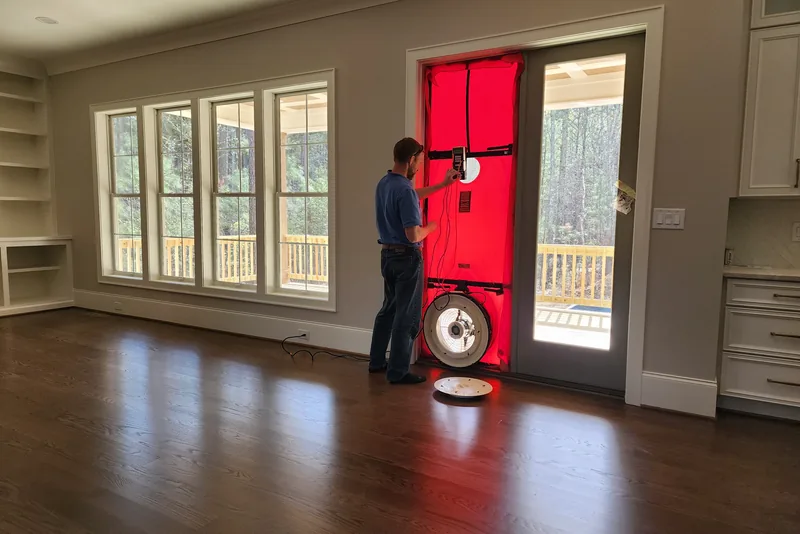
Inspectors may perform a blower door test, which uses a powerful fan installed in an exterior doorway to measure how much air leaks from the building.
This test helps locate areas such as:
- Window gaps
- Door frame leaks
- Attic openings
- Basement cracks
- Plumbing and electrical penetrations
Sealing these leaks is often one of the most affordable improvements with noticeable results.
Insulation Evaluation
Insulation plays an important role in maintaining indoor temperatures. Poor insulation allows heat to escape during winter and enter during summer.
During an audit, inspectors check insulation in areas such as:
- Attics
- Walls
- Floors
- Basements
- Crawl spaces
They look for insufficient coverage, damaged materials, and areas where insulation has settled over time.
Improving insulation can reduce the workload on heating and cooling systems and create more consistent indoor temperatures.
Heating and Cooling System Assessment
Heating and cooling equipment usually represents one of the largest energy expenses in a home.
Auditors examine:
- Equipment age
- System efficiency
- Airflow problems
- Filter conditions
- Ductwork issues
- Maintenance history
An inefficient HVAC system may consume more energy while providing less comfort.
Sometimes the solution is not replacing the entire system. Simple improvements like cleaning ducts, replacing filters, sealing duct leaks, or improving thermostat controls can make a significant difference.
Window and Door Performance
Windows and doors can contribute to energy loss, especially in older homes.
Inspectors check for:
- Damaged seals
- Single-pane glass
- Poor installation
- Draft problems
- Frame deterioration
Replacing all windows is not always necessary. In some cases, weather stripping, caulking, window films, or improved coverings can improve performance at a lower cost.
Improvements That Actually Save Money
Not every energy upgrade provides the same financial benefit. Some improvements have a faster return, while others may take many years to recover their cost.
Air Sealing
Air sealing is often one of the most cost-effective energy improvements.
By closing unwanted gaps, homeowners can reduce heating and cooling losses without major construction work.
Common air sealing improvements include:
- Caulking cracks
- Adding weather stripping
- Sealing attic openings
- Repairing door seals
Better Insulation
Adding insulation can significantly improve comfort and reduce energy usage.
Attic insulation is often one of the first areas professionals recommend improving because heat transfer through the roof can have a major impact on indoor temperatures.
Smart Thermostats
Smart thermostats can help reduce unnecessary heating and cooling by adjusting temperatures based on schedules, occupancy, and usage patterns.
They are especially useful for homeowners who often forget to adjust their thermostat when leaving the house.
Energy-Efficient Lighting
Replacing old bulbs with efficient lighting options can reduce electricity consumption.
While lighting alone may not create massive savings compared to larger improvements, it is an inexpensive upgrade that can be completed quickly.
HVAC Maintenance or Replacement
Regular maintenance keeps heating and cooling systems operating efficiently.
However, older systems with poor efficiency ratings may eventually become expensive to operate. In those cases, upgrading to a modern energy-efficient system may provide long-term savings.
Improvements That May Not Always Be Worth the Cost
Some upgrades sound attractive but may not be the best choice for every home.
For example, replacing windows can be expensive and may take many years to recover through energy savings. If existing windows are in good condition, improving seals or adding window treatments may provide better value.
Similarly, installing advanced smart home technology does not automatically reduce energy costs unless it solves a specific problem.
The best improvements depend on the home’s current condition, climate, energy usage patterns, and budget.
How Much Can a Home Energy Audit Save?
Savings vary depending on the home’s age, location, construction quality, and existing problems.
A newer, efficient home may only need minor adjustments, while an older property may benefit from several improvements.
The biggest savings usually come from fixing major energy losses first rather than making random upgrades.
A good energy audit creates a priority list so homeowners know which improvements should be completed immediately and which can wait.
Final Thoughts
A home energy audit gives homeowners a clearer understanding of how their property uses energy and where improvements are needed. Instead of spending money on unnecessary upgrades, an audit helps identify solutions based on real conditions.
The most valuable improvements are usually those that address hidden problems such as air leaks, poor insulation, inefficient heating and cooling systems, and outdated equipment.
As energy costs continue to rise, improving home efficiency is becoming less about luxury and more about smart property management. A well-planned energy upgrade can create a more comfortable home, reduce monthly expenses, and increase the long-term value of the property.