
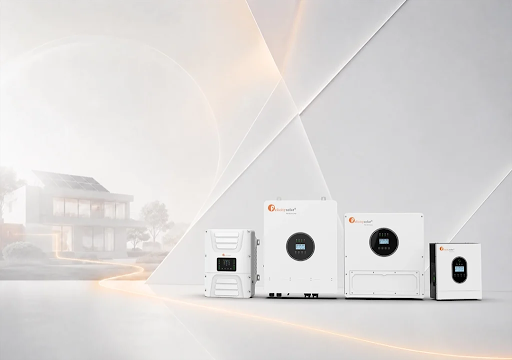
Buying and installing an off grid solar inverter is really just the beginning of a long term relationship with that piece of equipment. Since off grid systems have no grid to fall back on if something goes wrong, proper ongoing maintenance matters a great deal more here than it might for grid tied equipment, where a temporary issue is simply an inconvenience rather than a genuine loss of power.
Visual Inspection Should Happen Regularly
A simple, regular visual inspection of the inverter and its connections can catch a lot of potential problems before they become serious failures. Looking for signs of corrosion at connection points, checking that cooling vents are not blocked by dust or debris, and confirming that display readouts show normal operating parameters are all things that can be done without specialized technical knowledge, yet catch a meaningful number of developing issues early enough to address them before they cause a system failure.
Keeping the Unit Clean and Properly Ventilated
Inverters generate heat during normal operation and rely on proper airflow to stay within safe operating temperatures. Dust, debris, or anything obstructing ventilation can cause the unit to run hotter than intended, which over time can shorten its operational lifespan or trigger thermal protection shutdowns during periods of high demand. Keeping the surrounding area clean and ensuring nothing blocks ventilation openings is a simple maintenance step that genuinely extends equipment life.
Monitoring Performance Data Over Time
Many modern off grid inverters provide performance data, including output levels, efficiency readings, and error logs, that can be reviewed periodically to catch gradual performance degradation before it becomes an acute failure. Establishing a habit of reviewing this data regularly, rather than only checking it after a problem has already occurred, allows for a more proactive approach to maintenance rather than a purely reactive one.
Understanding Common Error Codes and What They Actually Mean
Most inverters display specific error codes when something goes wrong, and understanding what these codes actually indicate, rather than simply restarting the system and hoping the issue resolves itself, leads to more effective troubleshooting. Keeping the manufacturer’s documentation accessible, and understanding which issues can be addressed locally versus which genuinely require professional support, helps manage expectations during a troubleshooting situation.
Battery Interaction Deserves Special Attention
Since an off grid inverter works so closely with the battery storage system, monitoring how the inverter is charging and discharging the battery over time matters for both inverter and battery longevity. Irregular charging patterns or unusual battery behavior can sometimes indicate an inverter issue rather than a battery problem specifically, which makes understanding this interaction an important part of effective troubleshooting for the system as a whole.
Building a Relationship With Reliable Technical Support
Even with good regular maintenance, issues occasionally arise that require professional support. Choosing equipment from a manufacturer known for accessible technical support, and understanding in advance how to reach that support and what response times to realistically expect, prepares a system owner to handle problems efficiently rather than scrambling to figure out a support process during an actual outage. A well designed off-grid solar inverter paired with a manufacturer offering genuine ongoing support makes this kind of troubleshooting significantly less stressful when an issue eventually does come up.
Treating Maintenance as an Ongoing Responsibility
Off grid systems reward consistent, proactive maintenance far more than they punish occasional neglect immediately, but that neglect tends to catch up eventually in the form of reduced equipment lifespan or unexpected failures at inconvenient times. Building simple, regular maintenance habits into how a system is managed leads to significantly better long term reliability than treating maintenance as something to think about only after a problem has already occurred.
None of these habits require deep technical expertise to maintain consistently. What they require is genuine consistency, treating maintenance as a regular part of how the system is managed rather than something to think about only after an issue has already interrupted power to the property.