
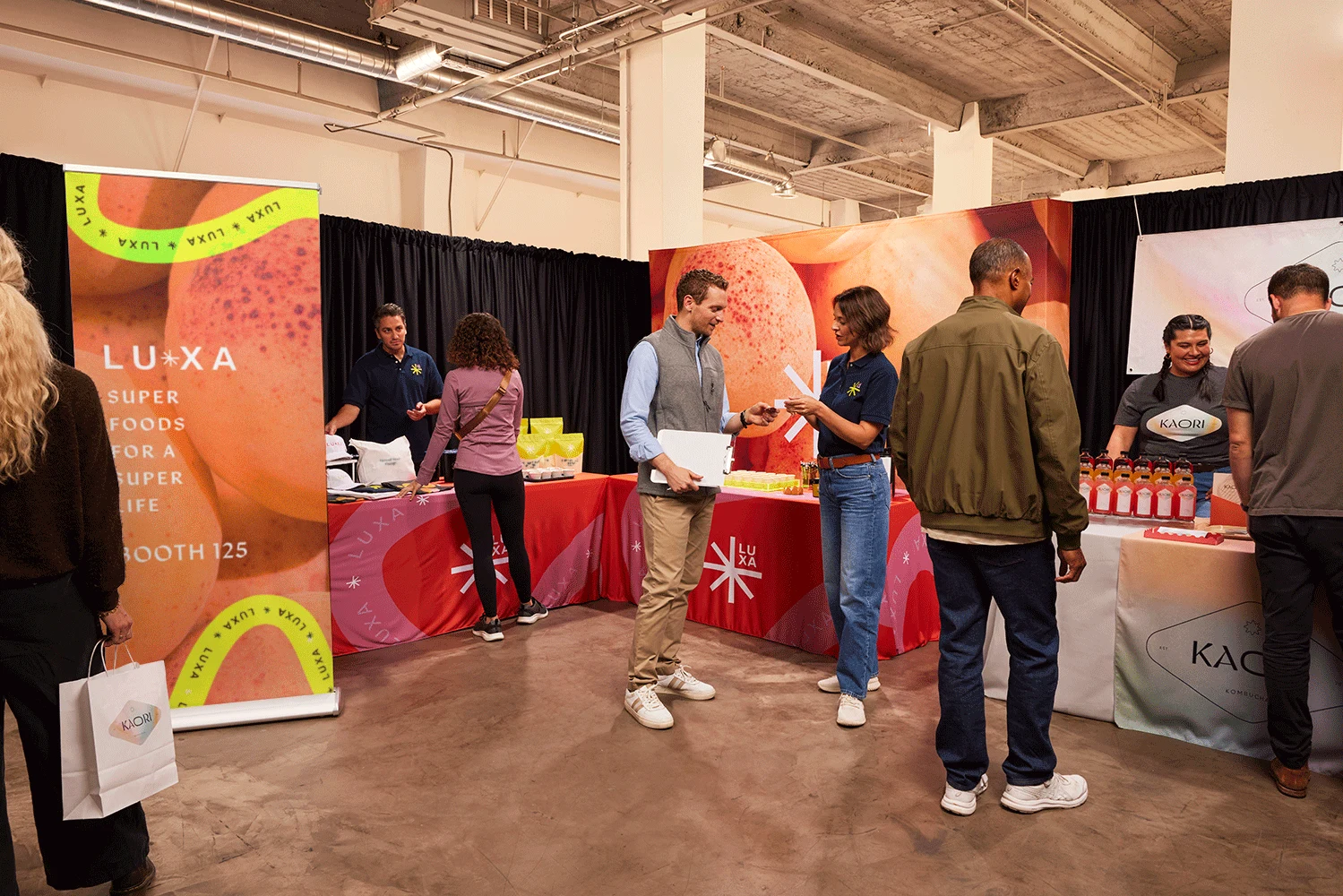
Planning an effective trade fair booth is a mix of logistics, creativity, and strategy. Whether your purpose is to showcase products, meet potential clients, strengthen existing relationships, or all three, a booth becomes your temporary storefront — one that needs to work efficiently and feel welcoming at the same time. Good preparation makes a difference. It shows in how visitors move through the space, how conversations flow, and how confident your team feels from the first handshake to the final pack-up.
Start With Purpose
Trade fairs offer a lot of opportunities in a short window, so clarity matters. Decide what you want the booth to accomplish. Are you introducing new products? Building brand awareness in a new region? Meeting specific customers? The answer shapes everything else — from booth layout to staffing and materials. A clear purpose also helps your team stay aligned, which ensures visitors experience a consistent message no matter who they talk to.
Create a Space People Want to Enter
A booth shouldn’t feel crowded or complicated. Clean lines, visible entry points, and thoughtful lighting encourage visitors to step in. Display products at a comfortable height. Keep signage readable from a distance — simple, recognizable messaging travels farther than detailed lists or graphics visitors can’t interpret quickly. If possible, include room to talk without blocking walkways. People tend to linger when the space feels easy to navigate and visually calm.
Prepare the Right Materials
Bring marketing tools and business products that support conversation, not replace it. Product sheets, business cards, and digital displays make it easy to answer questions and share details, but they should feel like supplements, not the centerpiece. Consider offering samples and small giveaways that feel useful and always plan a way to collect contact information cleanly. If your team uses tablets or QR codes, test them ahead of time and plan for reliable connectivity. Technology needs to feel seamless to be useful.
Train and Equip Your Team
The best booths feel human. A friendly greeting and natural conversation go farther than memorized scripts. Candid product knowledge matters, and so does the ability to listen. Encourage your team to ask questions designed to help visitors share what they’re looking for — their challenges, priorities, and timelines. When you understand needs, you can guide people to solutions thoughtfully. That matters whether you’re selling software, furniture, services, or business products.
Logistics Still Matter
Good booth days come from planning the unglamorous pieces. Confirm delivery times with show organizers. Know when setup starts and ends. Label crates clearly and bring basic tools for assembly. Pack extra cords, charging bricks, gaffer tape, pens, and cleaning wipes. The right supplies can prevent unnecessary stress once the hall fills up and timing tightens.
Close the Loop
After the event, follow up while conversations are still fresh. Thank people for stopping by, share any promised information, and connect your booth notes to your CRM or internal tracking. Staying organized after the fair is just as important – maybe even more so – as preparing for it.
Trade fairs reward preparation, consistency, and thoughtful interactions. When a booth feels open, conversations feel natural, and the team stays focused on genuine connection, the event becomes more than a showcase — it becomes a productive extension of your brand and the relationships you’re building.