
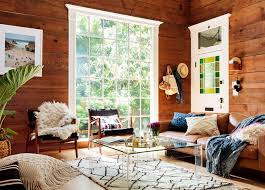
Leather furniture has a special way of transforming a room. Its rich texture, natural warmth, and timeless elegance bring character to any space, whether you prefer classic design or modern minimalism. But as beautiful as leather is, it reacts to its environment more than most materials—especially in a desert climate. Anyone living in Henderson knows how dry the air can get, and while that might be great for your hair or your allergies, it’s not always ideal for leather furniture. Fortunately, with the right care and a little extra attention, your leather pieces can remain soft, vibrant, and luxurious for many years.
As a trusted furniture store in Henderson, RC Willey has helped countless homeowners choose and maintain leather furniture that can stand up to our local weather conditions. Desert living doesn’t mean giving up beautiful leather pieces. It just means getting familiar with a few habits that help your furniture thrive.
Why Henderson’s Weather Is Tough on Leather
Leather is a natural material that contains oils and moisture that help keep it flexible. In humid parts of the country, the air actually helps leather retain some of that moisture. But in Henderson, humidity levels drop significantly, especially during the scorching summer months. When the surrounding air is dry, it slowly pulls moisture from leather surfaces. Over time, this can lead to stiffness, fading, cracking, and a dull appearance.
This doesn’t happen overnight, of course. The process is gradual, and many homeowners don’t notice the signs until the damage becomes more obvious. That’s why preventative care is so important. The key is to protect leather from excessive dryness and shield it from other stressors that accelerate wear, such as heat and sunlight.
Protecting Leather from Sun Exposure
Sunlight is one of the biggest enemies of leather—more so in an area like Henderson, where the sun feels particularly intense. UV rays don’t just fade leather; they also break down natural fibers and draw out essential moisture. Even a couple of hours of direct sun a day can cause noticeable discoloration after a few months.
The easiest solution is to position your leather furniture away from windows where strong sunlight pours in. If that’s not possible, adding UV-blocking curtains, blinds, or window film goes a long way. This simple step often makes one of the most significant differences in how your leather looks over the long term. Many homeowners are surprised by how much longevity improves once they limit sun exposure.
Balancing Indoor Humidity
Maintaining healthy moisture levels indoors is another important part of keeping leather in great condition. You don’t need to create a humid environment—overly moist air can be just as harmful—but aiming for a range of around 40% to 50% is ideal. A small room humidifier is usually enough to stabilize the environment around your furniture, especially during summer or winter when the air becomes extremely dry.
Some homeowners use houseplants to increase indoor humidity naturally, and while they won’t dramatically change moisture levels on their own, they can help maintain a more balanced environment. Combined with a moderate indoor temperature and proper ventilation, these small adjustments create an atmosphere where leather remains flexible and healthy.
Cleaning Gently and Consistently
Like any natural material, leather needs occasional cleaning. Dust, perspiration, and oils from skin contact gradually build up on the surface. If ignored, these residues can slowly break down the finish, dull the color, and make the material feel less smooth.
A light weekly dusting with a soft cloth is usually all that’s needed for everyday upkeep. For deeper cleaning, use a leather-safe product recommended either by the manufacturer or by RC Willey. Strong chemical cleaners, dish soaps, and general household sprays should be avoided entirely. They can strip away the leather’s protective finish and cause permanent damage. Cleaning should feel gentle and deliberate, never aggressive.
Conditioning Leather Regularly
Conditioning is arguably the most important aspect of caring for leather in a desert climate. A good conditioner restores moisture, preserves flexibility, and enhances the natural shine. While homeowners in wetter regions might only condition their furniture once or twice a year, those in Henderson benefit from doing it every three to four months—or every two to three months for heavily used pieces.
When conditioning, less is often more. A thin, even layer is all your furniture needs. It should never feel greasy or oversaturated. Always test conditioners on a hidden area before applying them widely, especially if your furniture has a delicate or lightly dyed finish.
Managing Heat Exposure Indoors
In addition to sunlight, indoor heat sources can cause leather to dry out rapidly. Many homes in Henderson rely heavily on air conditioning during the summer and heating systems in the cooler months. Both can create airflow that dehydrates leather surfaces if furniture is placed too close to vents or heat-producing appliances.
A small adjustment—moving a sofa or chair a couple of feet away from a vent or heater—helps maintain the leather’s integrity. These tiny environmental considerations often make a major difference over years of use.
Encouraging Even Wear
Leather naturally softens and stretches in areas that receive the most pressure or friction. If one seat on your sofa is everyone’s favorite spot, that area will age differently than the rest. Rotating cushions, encouraging balanced use, or occasionally rearranging the room helps ensure your furniture wears evenly. These habits keep your leather pieces looking uniform and well-maintained rather than lopsided or prematurely worn in specific spots.
Handling Spills Carefully
Although leather can withstand occasional spills better than fabric, it still needs quick and proper attention. Liquids should be blotted immediately with a soft, dry cloth—never rubbed—because rubbing can push moisture deeper into the material. Allow the area to air-dry naturally. Avoid applying heat, which can stiffen the leather. Most spills, when handled promptly, leave no lasting damage.
Choosing High-Quality Leather Furniture
One of the biggest factors in how well leather holds up in Henderson is the quality of the piece you buy in the first place. At RC Willey, customers can explore a wide range of leather types—from full-aniline to semi-aniline to protected leathers—each with its own characteristics, durability, and maintenance needs. Well-made leather furniture resists cracking, holds conditioning better, and maintains its color even in challenging climates.
Shopping with a knowledgeable retailer such as RC Willey ensures you receive guidance tailored to the environment you live in. Whether you’re browsing designs or searching for care products recommended for desert weather, you can rely on advice that goes beyond basic leather care and takes Henderson’s climate into account. If you’re researching options, you’ll find RC Willey is more than just a furniture store in Henderson—it’s a local resource for long-term furniture care and quality craftsmanship.
A Final Word
Leather furniture is an investment in comfort and beauty. Henderson’s low-humidity weather may present a few challenges, but none of them should stop you from enjoying the timeless appeal of a well-made leather piece. With thoughtful placement, regular conditioning, gentle cleaning, and a mindful indoor environment, your furniture can remain stunning and supple for decades. And whenever you need guidance or high-quality leather options designed to last, RC Willey is here to help you make the most of every room in your home.