
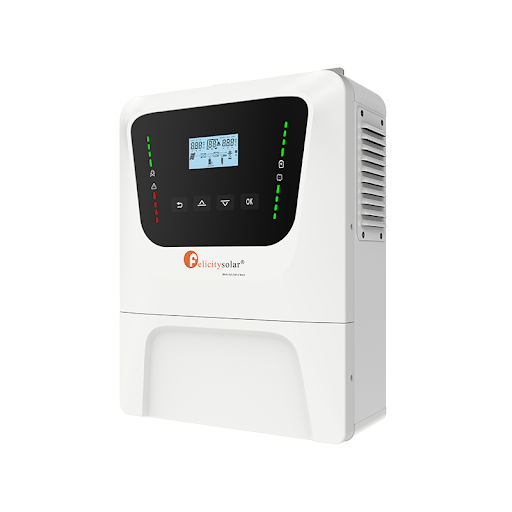
A few years ago, off-grid solar was mostly a niche conversation—cabins, remote telecom sites, rural homes with no reliable utility access. Now it’s showing up in suburban garages, small factories, and backup designs for homes that already have grid connections but don’t trust them fully. In the middle of all this, the off-grid solar inverter has quietly become the component that decides whether a system feels stable or constantly fragile.
When everything is functioning properly, the inverter does not make itself known. It will only draw attention to itself once the loads start shutting off, when the batteries are being discharged too quickly, or when the inverter simply won’t start an appliance.
The first error is making the assumption that because all inverters are referred to as “off-grid”, they all function in a similar manner. It isn’t until you use them that their true differences emerge.
Why an Off-Grid Solar Inverter behaves differently in real installations
Unlike a grid-tied solar system that leans on the utility for stability, an off-grid setup depends entirely on the inverter to create a clean, stable waveform. It is essentially the “grid substitute,” and that role is more demanding than most buyers initially expect.
From what installers often report, the real stress test isn’t daytime production—it’s evening transitions. That’s when solar energy storage shifts from charging mode to discharge mode while household or industrial loads spike unpredictably. Air conditioners kicking in, pumps starting, or machinery cycling can expose weaknesses in inverter response time.
This tends to matter more than people initially expect. A technically sound off-grid solar inverter should be able to cope with sudden load changes without experiencing voltage drop or shutdown. Sine wave output waveform, overload capacity, and switching ability between battery and solar input become operational performance measures rather than technical specifications.
Core features that actually matter in the field
Manufacturers often advertise long feature lists, but only a few characteristics consistently determine whether a system performs reliably over time.
In real deployments, engineers tend to focus on:
- Surge capacity: Not just continuous watt rating, but how well the inverter handles motor startups and compressor loads
- Battery communication support: Compatibility with lithium-ion BMS system to accurately charge the battery
- Efficiency of MPPT: Efficiency of energy harvesting during partial shading condition
- Idle consumption: Silent drain of current, which becomes important over the course of long overnight hours
- Thermal management: Dissipation of heat with continuous load
A lot of consumers tend to neglect the aspect of idle consumption. In smaller residential systems, it may seem trivial, but in 24/7 solar energy storage setups, it can quietly eat into usable capacity over time.
Another practical detail is firmware behavior. Some modern inverters allow remote monitoring and energy management tuning, which becomes valuable in hybrid systems where users want to prioritize backup loads over non-essential consumption.
Sizing and compatibility issues installers run into
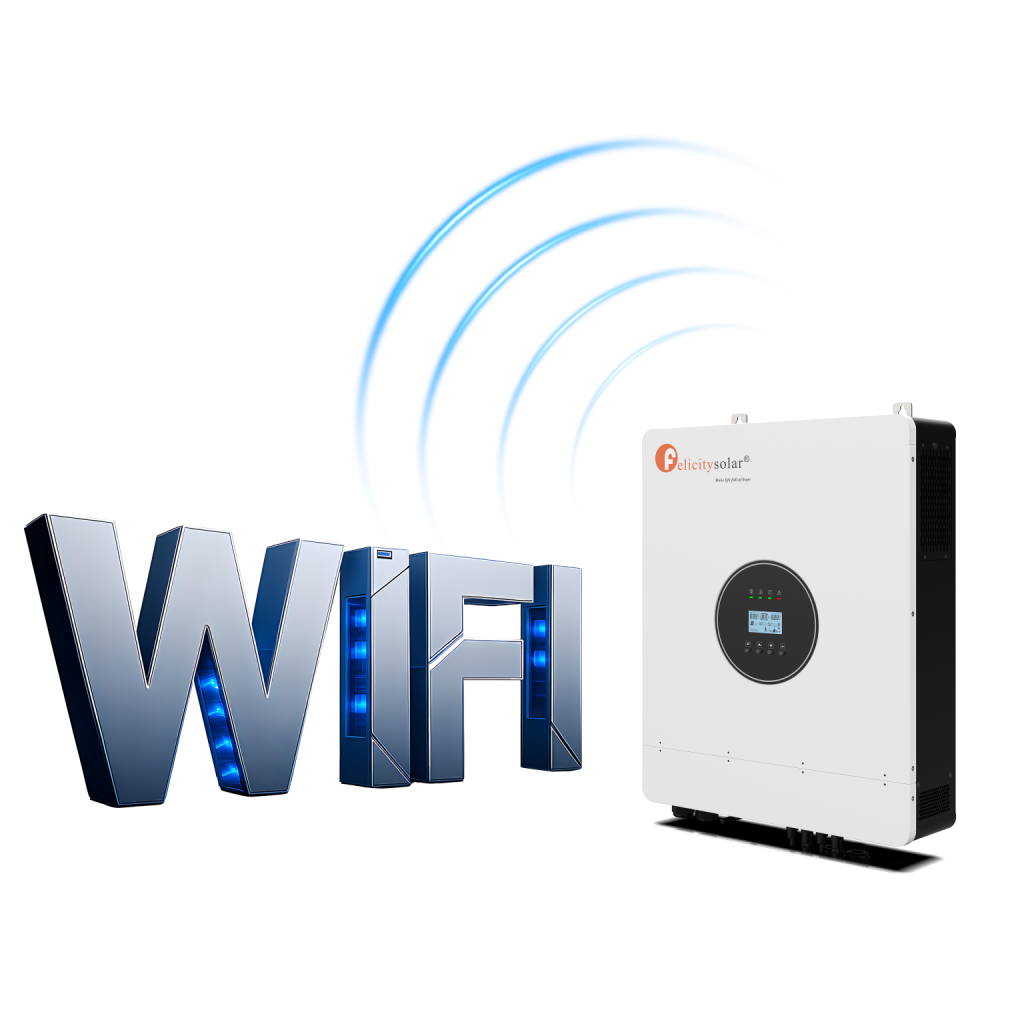
At first glance, sizing a standalone system seems like an easy task: add all your loads, choose an inverter a little bigger than that total, and pair it with the correct battery bank. But it almost never goes as smoothly as that in practice.
One common issue that installers run into is finding that their inverter has higher output than what the batteries can discharge at full load. So, when you have a 5 kW inverter hooked up to a small battery bank, it will be finicky during peak usage periods.
In larger commercial solar installation projects, this becomes even more sensitive. Three-phase loads, mixed inductive equipment, and staggered operating cycles make load profiling essential. Without it, even high-end systems struggle to maintain stability.
Assumptions about compatibility with the grid-connected system in a hybrid setup also break down. Hybrid switchovers may occur seamlessly on paper, but there are cases where the delay or failure in synchronization causes momentary interruptions that reset critical equipment like PLCs and servers.
Another important factor that can’t be overlooked is the battery type used. Lithium batteries have better voltage regulation and can operate on deep discharges when the correct inverters with accurate BMS signaling are employed. On the other hand, lead-acid batteries have higher tolerance to charging parameters.
What separates decent units from unreliable ones in practice
On paper, many off-grid solar inverters look similar. In the field, the differences show up after six months, not during installation day.
Reliable units tend to have stable firmware updates, conservative thermal design, and honest efficiency ratings. Less reliable ones often push peak specifications that are difficult to sustain continuously, especially under fluctuating load conditions.
From what technicians see over time, failure patterns usually fall into a few categories: overheating under sustained load, erratic battery state-of-charge readings, or inconsistent restart behavior after overload shutdowns. These issues don’t always appear during commissioning, which is why field reputation matters more than brochure performance.
Another practical consideration is serviceability. In remote or industrial sites, downtime costs more than equipment replacement. Systems that allow modular repair or quick inverter swaps tend to outperform more complex sealed designs in long-term reliability, even if their specs look slightly lower.
Energy management features also matter more than they initially seem. The ability to prioritize critical loads during low battery conditions turns a basic backup power solution into a more controlled infrastructure asset rather than an all-or-nothing system.
Conclusion
Choosing a grid-independent solar inverter should not be based on a single consideration for obtaining the best figures, but rather on what the device can do in stressful situations, at night, and while adapting to fluctuating loads. Performance can be influenced by many other factors, such as surge tolerance, compatibility with batteries, temperature regulation, and integration into the overall solar energy storage and standby electricity solutions.
Ultimately, it is most reliable devices which stand out least of all in normal conditions of use that are the most preferred options for installation. Such inverters attract no special attention, require no adjustments, and deliver power regardless of circumstances.