
When it comes to construction, choosing the right fastener isn’t just picking up whatever shiny thing is lying around – it’s the unsung hero move that literally keeps your project from coming undone. Overlook this detail, and you might be signing up for a symphony of squeaks, wobbles, or – heaven forbid – some serious structural whoopsies. Never fear: this guide will give you the nuts and bolts (pun fully intended) so you can fasten with confidence on any Aussie building adventure.
Fasteners 101: Meet the Usual Suspects
Welcome to the wild world of fasteners – where not all heroes wear capes, but many come with threads or wings. Despite endless options, most projects rely on a crew of dependable classics. Here’s how to spot (and properly treat) them.
Nails
Nails: simple, old-school, and always up for a smashing good time. These metal wonders are hammered or shot straight into place and are perfect when you need plenty of shear strength (think: holding things side-to-side). They’re the trusted mates for framing or sheathing, valued for their speed and simplicity. But if you’re after pull-out resistance, they might lose their grip – so pick your battles.
Screws
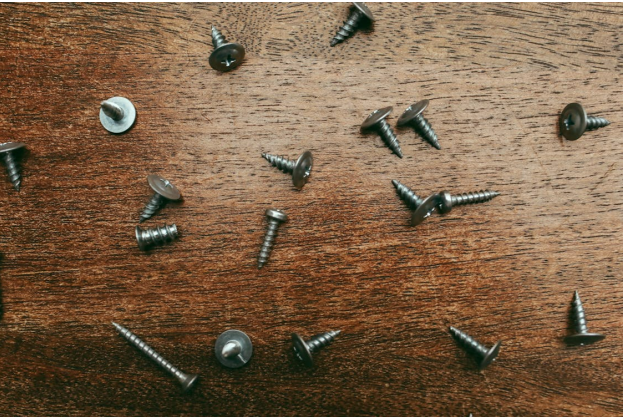
Screws are the overachievers, blessed with spirals for days and a knack for holding on tight. Their threaded bodies mean they’re in it for the long haul, biting into the material and refusing to let go. Need to attach some decking, cabinetry, or drywall? Screws say, “Leave it to us.” Installation takes a smidge longer, but that staying power is worth every twist.
Bolts
Heavier-duty than the biggest protein shake, bolts are teamwork in action – always paired with a nut, and sometimes a washer too. This combo brings Hulk-like strength to steel structures, timber framing, or any connection that might need to be taken apart later. If you want security that rivals a bank vault, bolts are the answer.
Anchors
Anchors are the specialists, swooping in when you need to cling to concrete, stone, or brick like a gecko on glass. Inserted into a drilled hole, they expand to create a grip even your mother-in-law would admire. Whether you’re mounting shelves or locking down a steel beam, anchors hold where lesser fasteners fear to tread.
What’s in a Fastener? (Materials Matter)
You wouldn’t build a sandcastle with sugar, and you shouldn’t pick fasteners willy-nilly either. Most are made from steel, which gets the job done for general tasks. If you expect monsoons or salt spray (looking at you, coastal builders!), go for stainless steel – it laughs in the face of rust. There are even exotic alloys for when heat or extra muscle is needed. Bottom line: pick the right metal, and you won’t have to watch your handiwork flake away.
How to Pick a Winner: The Fastener Selection Guide
There are three big questions on your fastener shopping quest:
- What’s the load? Will it deal with sideways shoves, tension-filled tugs, or a bit of both? Give this some thought, or your structure might have separation anxiety.
- What’s the environment? Inside and dry? Just about anything goes. Outdoors under the blazing sun or coastal storms? Choose corrosion-resistant heroes.
- Will these metals get along? Dissimilar metals can cause galvanic corrosion (science speak for: “one will eat the other”), so choose compatibility to keep the peace.
Don’t Just Build – Build for Keeps
Choosing the right fastener might not win you fame and fortune, but it’ll guarantee your masterpiece stays put, stands tall, and keeps you off future repair duty. Get familiar with the options, think about the environment, and play matchmaker between your fastener and the materials it joins. Find a supplier too, such as a quality blind rivet supplier, because suppliers matter. A well-made connection is the quiet superstar behind every legendary build – and that’s something worth nailing.