
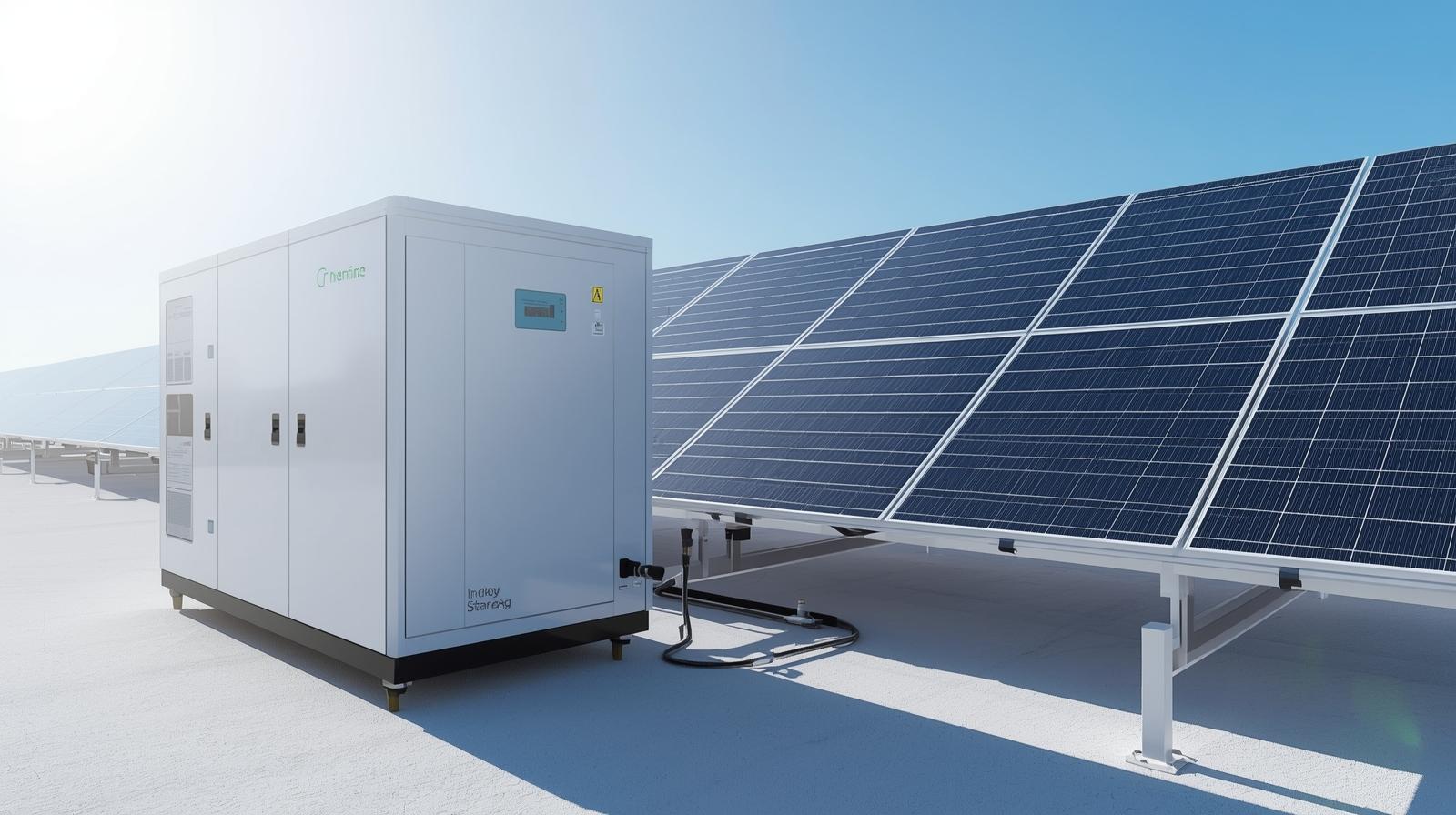
Solar panels have become a common sight on rooftops across New South Wales, but many homeowners are now taking the next step by adding battery storage to their systems. A solar battery allows you to store the excess energy your panels generate during the day and use it in the evening or during periods of low sunlight, reducing your reliance on the grid significantly.
How the technology works
Solar panels generate direct current electricity from sunlight. An inverter converts this into the alternating current that your home appliances use. When a battery system is added, excess electricity that would otherwise be exported to the grid is diverted into the battery instead, where it is stored as chemical energy. When your panels are not producing enough power, the battery discharges to meet your household’s needs.
Understanding the technical and practical aspects of solar energy storage NSW helps homeowners make well-informed decisions about whether adding a battery to their existing or new solar installation makes financial and practical sense for their household. The capacity of the battery, the depth of discharge, the round-trip efficiency, and the warranty terms all have a significant impact on the long-term value the system delivers.
Battery capacity is measured in kilowatt-hours, and a typical Australian household requires somewhere between 8 and 15 kilowatt-hours of storage to cover overnight energy needs. The right capacity for your home depends on your average daily energy consumption, the size of your solar panel array, your household’s usage patterns, and whether you want the battery to provide full backup power or simply reduce your grid reliance significantly.
Modern residential batteries use lithium-ion chemistry, the same technology found in electric vehicles and portable electronics. Lithium-ion batteries offer high energy density, a long cycle life, and excellent round-trip efficiency — typically returning around 90 cents in usable electricity for every dollar of electricity stored. This efficiency figure matters enormously when calculating the actual financial return of a battery investment over its lifetime.
The financial case for battery storage in NSW
The financial return on a solar battery depends heavily on your electricity tariff structure and your household’s energy usage patterns. Homes on time-of-use tariffs — which charge significantly higher rates for electricity used during peak evening hours — benefit most from battery storage, as the battery allows them to avoid drawing from the grid during the most expensive periods of the day.
Feed-in tariffs — the rate your electricity retailer pays you for excess solar energy exported to the grid — have fallen significantly in NSW over recent years. When feed-in rates were high, it made sense to export as much solar energy as possible. As these rates have declined, storing that energy for self-consumption rather than exporting it has become increasingly attractive from a pure financial perspective for most households.
Government incentives can meaningfully improve the economics of battery storage. The NSW Government’s Empowering Homes program has provided interest-free loans for eligible solar-battery systems, and the federal small-scale renewable energy scheme provides upfront certificates that reduce the purchase price of solar systems. Checking current eligibility requirements and available incentives before purchasing is always worthwhile for NSW homeowners.
Battery backup and blackout protection
One of the most valued benefits of a well-configured solar battery system is the ability to maintain power during grid outages. Not all battery systems offer this capability by default — a standard grid-connected battery will shut down during a blackout as a safety measure to protect linesmen working on the network. A battery with backup functionality includes additional hardware that isolates your home from the grid during an outage.
The amount of time a battery can power your home during a blackout depends on its usable capacity and the load you are drawing. Running essential circuits — lights, refrigerator, phone charging, and a few other necessities — will extend backup duration significantly compared to running the whole house normally. Some battery systems allow you to configure which circuits receive backup power, giving you control over your priorities during an outage.
Investing in home energy independence reflects the same desire for self-sufficiency and personal expression that drives people toward quality products that reflect their values and individuality. From choosing a solar battery that reduces dependence on the grid to curating a wardrobe of modern graphic tees that genuinely expresses who you are, the common thread is making considered choices that align with your priorities rather than simply defaulting to convention.
Pairing a solar battery with a smart energy management system gives you visibility and control over exactly how your energy is produced, stored, and consumed. These systems display real-time data on your solar generation, battery state of charge, grid import and export, and household consumption — allowing you to adjust your behaviour to maximise self-consumption and minimise electricity bills over time.
Choosing the right battery for your home
The residential battery market in NSW includes a range of products at different price points and with different specifications. Well-regarded options include the Tesla Powerwall, the SolarEdge Home Battery, and various offerings from Sungrow, BYD, and Enphase. Each has different capacity options, warranty terms, compatibility requirements, and performance characteristics that will suit different homes and solar configurations to varying degrees.
Choosing a reputable and experienced local installer is just as important as choosing the right battery brand. A qualified installer will assess your existing solar system and roof setup, advise on the most suitable battery for your situation, handle all necessary approvals and grid connection paperwork, and configure the system correctly to maximise its performance and long-term reliability across the full range of NSW weather conditions.
Is a solar battery right for you?
A solar battery is not the right financial decision for every NSW homeowner, but for many it represents a genuinely worthwhile investment in energy independence and long-term bill reduction. The economics have improved considerably over the past five years as battery prices have fallen and grid electricity costs have continued to rise, and the trajectory of both trends makes battery storage increasingly compelling for an expanding proportion of Australian households.
Getting a personalised assessment from a qualified solar and battery specialist is the best first step for any NSW homeowner considering storage. A good installer will review your energy bills, assess your existing system, model the financial return under current tariff conditions, and give you an honest appraisal of whether a battery makes sense for your specific situation right now or whether waiting another year or two might produce a better outcome.