
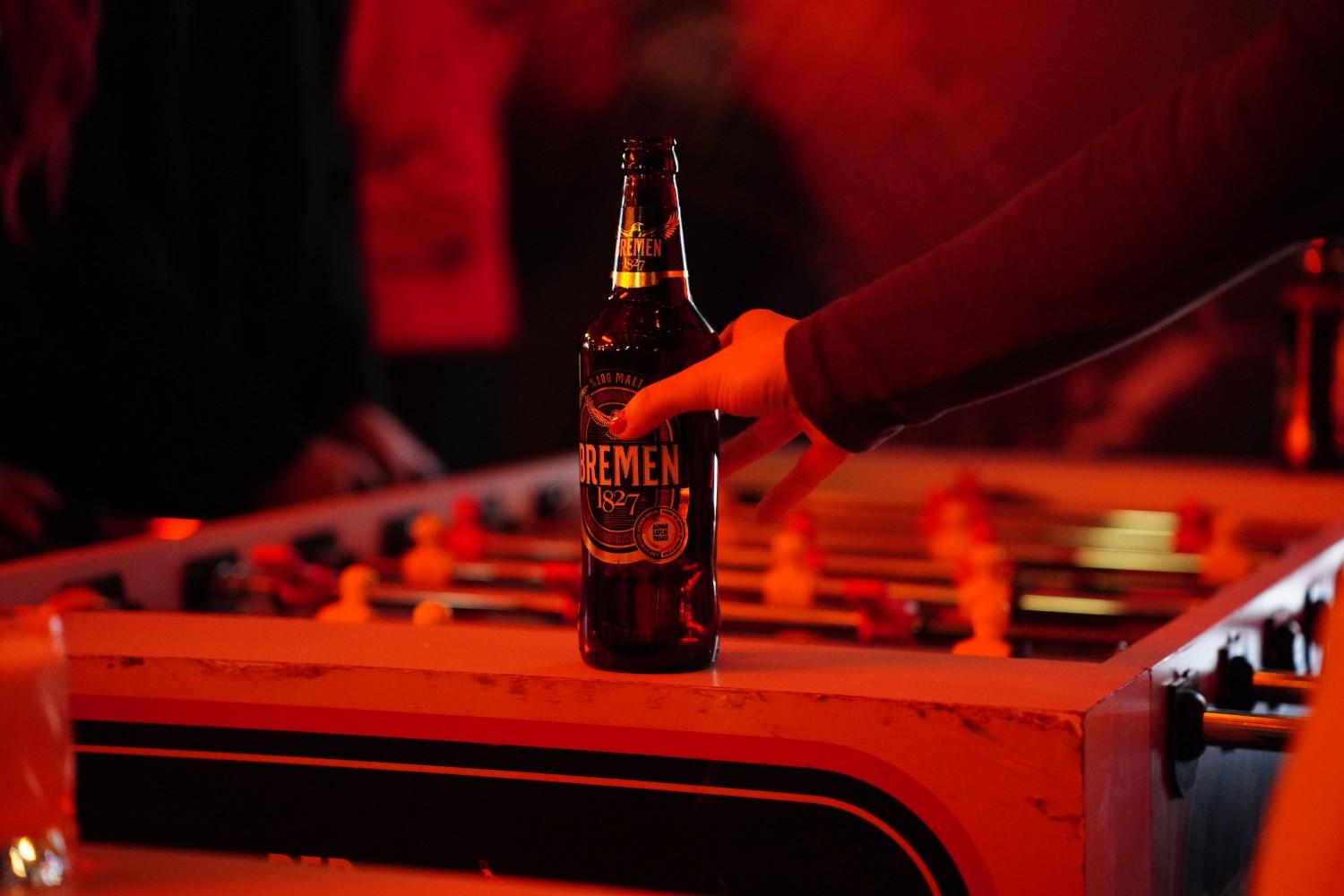
The hospitality industry is evolving as guests seek more engaging and memorable experiences when they dine out. Traditional restaurants that focus solely on food are increasingly being complemented by venues that blend culinary excellence with interactive entertainment. This shift has given rise to the concept of eatertainment, where premium food meets social activity in a thoughtfully designed environment. From upscale bowling lounges to immersive dining spaces with games and live experiences, eatertainment is redefining how people gather, celebrate, and connect.
The Rise of Experience Driven Dining
Modern consumers place a high value on experiences, often prioritizing them over material purchases. This trend has influenced the dining industry, where guests are no longer satisfied with just a great meal. They want an experience that feels unique, interactive, and shareable.
Restaurants and entertainment venues that successfully combine these elements are seeing increased foot traffic and longer guest visits. When customers have multiple ways to engage, they are more likely to stay longer, order additional items, and return in the future. Social media also plays a major role. Visually appealing dishes and interactive environments encourage guests to capture and share their experiences, further enhancing brand visibility.
Experience driven dining focuses on creating an atmosphere where guests can relax, participate, and enjoy themselves beyond the table. Whether it is live music, game zones, or skill based activities, the goal is to make the visit feel like an event rather than a routine outing.
Designing Spaces That Encourage Interaction
A successful eatertainment concept relies heavily on thoughtful space design. Layouts should naturally guide guests between dining areas and activity zones without feeling crowded or disjointed. Open designs with flexible seating arrangements allow groups to move freely and interact at their own pace.
Incorporating different activity options is key to appealing to a wide audience. Some venues may feature classic games like pool or darts, while others introduce modern attractions such as virtual reality stations or interactive digital displays. Outdoor spaces can also play a significant role, especially when they include casual games or relaxation areas.
Attention to detail can elevate the overall experience. Strategic lighting, high quality materials, and cohesive design themes contribute to an inviting atmosphere. Even small features can make a difference. For example, entertainment areas with built-in putting green setups may incorporate elements like sleek putting green cup lights, adding both functionality and visual appeal while enhancing the interactive nature of the space.
Elevating Food and Beverage Offerings
While entertainment is a major draw, food quality remains a cornerstone of any successful eatertainment venue. Guests expect menus that go beyond basic offerings and reflect the same level of creativity as the activities themselves.
Premium ingredients, chef driven menus, and carefully curated beverage programs help distinguish a venue from competitors. Shareable plates are especially popular in eatertainment settings, as they encourage group participation and complement the social nature of the experience. Items that are easy to enjoy between activities, such as small bites or handheld options, help maintain flow without interrupting the guest experience.
Craft cocktails and specialty beverages also play an important role. Signature drinks that tie into the theme of the venue can create a memorable impression and encourage repeat visits. Offering a balance of indulgent and health conscious options ensures that there is something for every preference.
Leveraging Technology for Engagement
Technology has become an essential component of the eatertainment model. Digital tools can enhance both operations and guest interaction, creating a seamless and engaging experience from start to finish.
Reservation systems and mobile ordering platforms help streamline service, reducing wait times and improving efficiency. Interactive screens, game tracking systems, and augmented reality experiences can add layers of engagement that keep guests entertained throughout their visit.
Data analytics also provide valuable insights into guest preferences and behavior. By analyzing trends in activity usage and menu selections, operators can refine their offerings to better meet customer expectations. Personalized promotions and loyalty programs can further strengthen customer relationships and encourage repeat business.
When implemented effectively, technology enhances convenience without overshadowing the human element of hospitality. Staff interactions remain essential, with team members guiding guests, facilitating activities, and ensuring overall satisfaction.
Creating a Social Destination for Diverse Audiences
One of the strengths of eatertainment is its ability to attract a wide range of audiences. Families, young professionals, corporate groups, and tourists can all find value in a venue that offers both high quality dining and engaging activities.
Flexibility is important when catering to diverse groups. Spaces that can accommodate private events, team building sessions, and casual gatherings are more likely to see consistent demand. Offering customizable packages allows guests to tailor their experience based on their needs and preferences.
Accessibility and inclusivity should also be considered in the design and programming of activities. Providing options that suit different skill levels and interests ensures that every guest feels comfortable and included. This approach not only enhances satisfaction but also broadens the venue’s appeal.
Marketing strategies should reflect this diversity by showcasing different ways guests can enjoy the space. Highlighting real experiences through photos and testimonials helps potential visitors envision their own visit and increases the likelihood of engagement.
Conclusion
The eatertainment boom reflects a broader shift toward experiences that combine quality, interaction, and connection. By integrating premium food with engaging social activities, venues can create dynamic environments that resonate with modern consumers. Thoughtful design, strong culinary offerings, and strategic use of technology all play a role in shaping these experiences. As expectations continue to evolve, businesses that embrace this approach are well positioned to stand out and thrive in a competitive landscape.