
Introduction
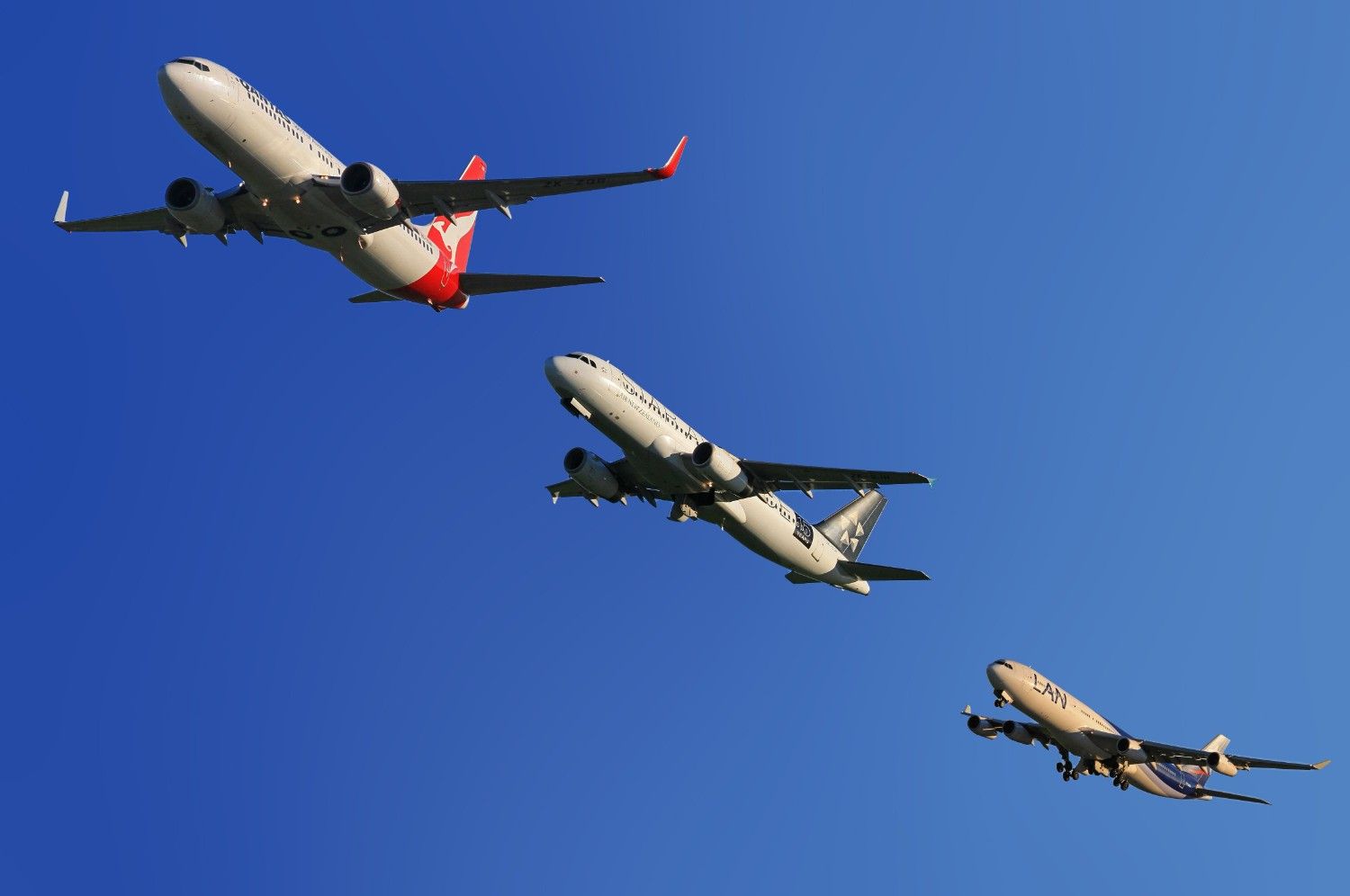
Few industries have had as profound an impact on the modern world as aviation. What was once considered a remarkable technological achievement has become an essential part of everyday life. Every day, commercial aircraft transport millions of passengers across continents, making distant destinations more accessible than ever before. Global aviation has transformed how people travel, conduct business, experience new cultures, and participate in the global economy.
Beyond simply moving passengers from one location to another, aviation serves as a bridge between nations and communities. It supports tourism, international trade, educational opportunities, humanitarian efforts, and cultural exchange. As technology continues to improve and air travel becomes increasingly efficient, the aviation industry remains one of the most important drivers of global connectivity. Understanding its broader impact helps illustrate why aviation plays such a critical role in connecting people, cultures, and economies throughout the world.
Bringing People Closer Together
One of aviation’s greatest achievements is its ability to reduce the barriers created by distance. In previous generations, traveling between countries often required lengthy journeys by ship or land. Today, flights that once took weeks of travel can be completed in a matter of hours.
This accessibility allows families to maintain relationships across countries and continents. Students can pursue educational opportunities abroad, while professionals can attend international conferences, meetings, and training programs. The ability to travel efficiently helps people build personal and professional relationships that might otherwise be impossible.
Global aviation also plays a vital role during emergencies and humanitarian missions. Aircraft frequently transport medical personnel, relief supplies, and emergency responders to areas affected by natural disasters or crises. These capabilities demonstrate how aviation supports not only convenience but also global cooperation and assistance when communities need help most.
Encouraging Cultural Exchange
Air travel has significantly expanded opportunities for cultural exploration and understanding. Millions of travelers visit foreign countries each year to experience different traditions, cuisines, languages, and ways of life. These interactions help foster greater appreciation and awareness of global diversity.
Tourism allows visitors to engage directly with local communities, creating meaningful cultural exchanges that benefit both travelers and residents. Businesses, schools, and cultural organizations also rely on aviation to facilitate international partnerships and collaborative projects. These relationships often lead to the sharing of ideas, innovations, and perspectives that strengthen cross-cultural understanding.
The aviation industry itself reflects this global nature. Pilots, flight attendants, engineers, air traffic controllers, and airport personnel often work in highly diverse environments where international collaboration is essential. Through these interactions, aviation contributes to a more connected and culturally aware world.
Supporting International Trade and Commerce
The global economy relies heavily on efficient transportation networks, and aviation plays a central role in facilitating international business. While many goods move by sea or land, air freight remains critical for transporting high-value, time-sensitive, and perishable products.
Electronics, pharmaceuticals, medical supplies, and specialized equipment often depend on air transportation to reach markets quickly and safely. Businesses rely on aviation to maintain supply chains, support manufacturing operations, and meet customer expectations in an increasingly fast-paced marketplace.
The aviation industry also supports countless jobs across multiple sectors. From aircraft manufacturing and maintenance to airport operations and tourism services, millions of individuals contribute to the broader aviation ecosystem. Specialized equipment used throughout aviation maintenance facilities, including tools and lifting systems such as Meyer jacks, helps technicians perform essential aircraft servicing that keeps fleets operating safely and efficiently.
By supporting commerce and employment on a global scale, aviation remains a powerful economic engine that benefits both developed and emerging markets.
Driving Tourism and Regional Development
Tourism is one of the industries most directly influenced by aviation. Destinations that may once have been difficult to access can now attract visitors from around the world thanks to reliable air service. This increased accessibility creates significant economic opportunities for local communities.
Hotels, restaurants, transportation providers, tour operators, and retail businesses all benefit from visitor spending. As tourism grows, regions often invest in infrastructure improvements, public services, and community development projects that further enhance quality of life for residents.
Many island nations and remote destinations depend heavily on aviation as their primary connection to international markets. Airports serve as gateways that support economic activity while helping destinations remain competitive in the global tourism industry.
The relationship between aviation and tourism demonstrates how transportation infrastructure can influence economic growth and create opportunities for communities of all sizes.
Advancing Innovation and Global Collaboration
The aviation sector continually pushes the boundaries of technology and innovation. Aircraft manufacturers, airlines, airports, and regulatory agencies work together across borders to improve safety, efficiency, and sustainability.
Advancements in aircraft design, fuel efficiency, digital navigation systems, and air traffic management have made flying safer and more reliable than ever before. International cooperation is essential for developing and implementing these technologies because aviation inherently operates on a global scale.
Collaboration extends beyond the aviation industry itself. Universities, research institutions, government agencies, and private companies frequently partner on projects that support technological advancement and environmental initiatives. These efforts contribute not only to aviation but also to broader scientific and engineering progress.
As the industry continues to evolve, aviation will remain a powerful example of how international cooperation can produce solutions that benefit people around the world.
Conclusion
Global aviation does far more than transport passengers between destinations. It strengthens personal connections, encourages cultural exchange, supports international trade, drives tourism, and promotes technological innovation. By linking communities across vast distances, aviation helps create opportunities that benefit individuals, businesses, and entire nations. As the world becomes increasingly interconnected, the role of aviation in connecting people, cultures, and economies will continue to grow, shaping the future of global communication, commerce, and collaboration for generations to come.