
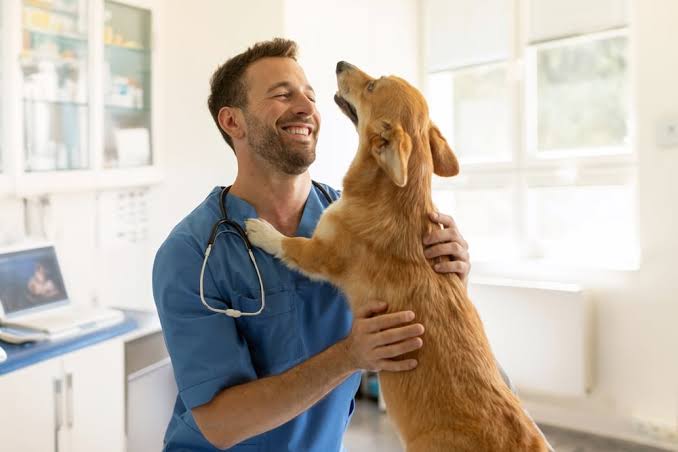
You notice it fast when a pet is off, and having a trusted downtown Lakeland veterinarian can make those next steps feel a little clearer. A dog skips breakfast, a cat hides under the bed, a rabbit stops moving around like usual, and suddenly the whole house feels tense. Pet health problems rarely stay small in your mind. They bring worry, cost, and that awful feeling of not knowing whether you should wait, watch, or act right now.
That is where veterinary hospitals matter, not just for one sick animal, but for the health of pets across an entire community. They treat injuries and illness, catch disease early, guide prevention, support public health, and help families make sound choices before a problem turns into a crisis. Why Veterinary Hospitals Play A Crucial Role In Community Pet Health comes down to one clear truth. When pets have access to skilled medical care, the whole community is safer, healthier, and more prepared.
Veterinary hospitals protect more than one pet at a time
A pet owner may walk into a veterinary hospital focused on one issue, maybe a cough, diarrhea, limping, or sudden fatigue. What happens there often reaches much further. A veterinary team looks for patterns, tests for contagious conditions, updates vaccines, checks parasite risks, and spots signs that could affect other animals in the neighborhood.
That matters because many threats spread quietly. Fleas and ticks move between pets and yards. Intestinal parasites can pass through soil and shared spaces. Respiratory illness can move through boarding facilities, dog parks, and shelters. Some diseases also affect people. The CDC explains the link between animal and human health in its guidance on healthy pets and safer households. Good veterinary care is part of disease control, not just treatment after the fact.
You may think of a hospital visit as a response to a bad day. In practice, it is often prevention in motion. A routine exam can catch dental disease before infection spreads, detect a heart murmur before exercise becomes risky, or find a skin issue before a pet starts tearing itself up from constant itching. That kind of early care protects the pet and saves the owner from harder decisions later.
Community pet wellness depends on prevention, fast treatment, and trusted guidance
Community pet wellness is not built on emergency visits alone. It depends on steady, reliable care over time. Veterinary hospitals provide vaccinations, wellness exams, diagnostic testing, nutrition support, dental care, surgery, and urgent treatment under one roof. That range matters because pet health is rarely one issue at a time.
A dog with ear infections may also have allergies. A senior cat losing weight may also have kidney disease, dental pain, and dehydration. A puppy with vomiting may need more than rest and bland food. It may need fluids, imaging, or testing for infection. Without access to a full-service veterinary hospital, families can end up guessing, delaying, or spending money on short-term fixes that do not solve the real problem.
That delay can get expensive fast. An untreated urinary blockage, infected bite wound, or swallowed toy can turn from a manageable case into a life-threatening one within hours. The emotional cost is just as real. You are not only worried about the bill. You are worried you missed something, or waited too long, or trusted internet advice over a medical exam.
A veterinary hospital gives you something hard to put a price on, which is clarity. You get an exam, a diagnosis process, and a plan. Even when the answer is not simple, knowing what you are facing helps you act with less fear and more confidence.
Veterinary hospitals strengthen emergency readiness in the community
Pet health does not exist apart from storms, fires, power outages, and local emergencies. Veterinary hospitals often play a central role when disaster hits. They help with triage, emergency shelter coordination, medical stabilization, and recovery support for displaced or injured animals. Federal planning around animal emergency response reflects how serious that role is, as shown by the USDA APHIS resources on animal emergency programs.
If you have ever tried to make a plan while stressed, you know how fast small details fall apart. You forget medication names. You run low on food. You realize the carrier is broken or the vaccine record is buried somewhere in your email. Veterinary hospitals help families prepare before that moment arrives. They keep medical records current, advise on emergency kits, and provide continuity of care when normal routines break down.
Home care and hospital care serve different roles
| Situation | Home Monitoring | Veterinary Hospital Care |
|---|---|---|
| Mild stomach upset for a few hours | May help if the pet is alert, drinking, and symptoms stop quickly | Needed if vomiting repeats, blood appears, or the pet becomes weak |
| Skin itching or ear scratching | Can track triggers and prevent further irritation | Identifies infection, mites, allergies, or deeper skin disease |
| Limping after play | Rest may help minor strain for a short period | X rays and pain control may be needed for fractures or joint injury |
| Skipped meals in a senior pet | Useful to note timing and behavior changes | Bloodwork and exam can uncover kidney disease, pain, or infection |
| Emergency planning | Gather food, carriers, tags, and medication lists | Provides records, refill support, and treatment during disasters |
Home care has its place. Watching closely, keeping notes, and calling early can help. It does not replace professional evaluation when symptoms escalate or linger. That is one reason animal hospital care has such a strong effect on local pet outcomes. It closes the gap between uncertainty and treatment.
Three steps you can take right now to protect your pet and your community
Schedule preventive care before there is a problem. Annual or twice yearly exams, vaccine reviews, dental checks, and parasite prevention catch issues early. Prevention costs less than crisis care and gives your pet a better chance at a long, stable life.
Know your pet’s red flag symptoms. Trouble breathing, repeated vomiting, collapse, inability to urinate, seizures, major wounds, and sudden severe pain need prompt medical attention. Write these down now, because stress makes memory unreliable.
Build a simple emergency file. Keep your pet’s vaccine record, medication list, microchip number, and hospital contact information in one easy place. Add food instructions and a recent photo. If you have to leave home fast, you will not be scrambling.
Strong veterinary hospitals create healthier communities
Healthy pets do not happen by accident. They depend on prevention, skilled treatment, public health awareness, and emergency readiness, all working together. Veterinary hospitals support each part of that system. They help one family in the exam room, and at the same time they reduce disease spread, improve recovery rates, and give communities a stronger safety net for animals.
If your pet is due for care, do not wait for a crisis to force the decision. A veterinary hospital can help you stay ahead of problems, protect your pet’s quality of life, and make the next hard moment easier to handle.