
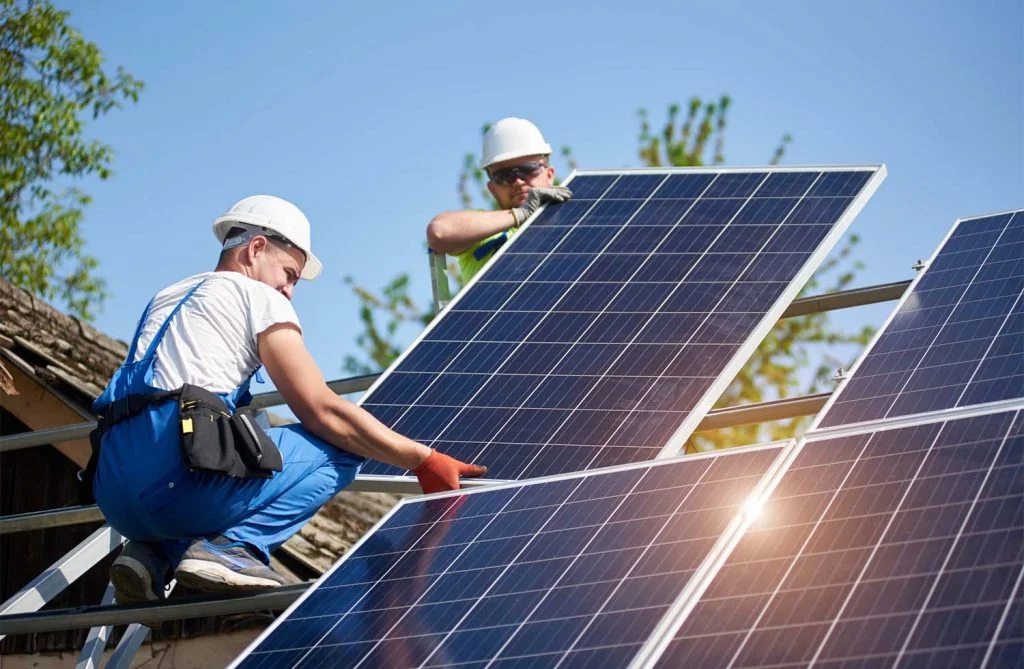
Solar energy systems depend heavily on the conditions of the site where they are installed. While solar panels are designed to capture sunlight efficiently, their performance can vary significantly based on environmental and structural factors. Site assessment is a crucial step that determines whether a location is suitable for solar installation and how effectively the system will operate over time. This process involves evaluating sunlight exposure, structural stability, and surrounding conditions that may influence energy production. Understanding the importance of site assessment helps ensure that solar projects are planned correctly, reducing risks and supporting long-term efficiency and reliability.
Why Site Assessment Matters
- Evaluating Sunlight Exposure and Orientation
One of the primary goals of site assessment is to evaluate how much sunlight a location receives throughout the day. Solar panels rely on consistent exposure to sunlight to generate energy, and factors such as roof orientation, angle, and shading can significantly impact performance. Assessors examine how the sun moves across the property and identify any obstacles, such as trees or nearby structures, that may block sunlight. Proper orientation ensures that panels capture maximum sunlight, improving overall efficiency. In some cases, homeowners consult with North Valley Solar Power to better understand how sunlight exposure affects system design and output. This step is essential for optimizing energy production and ensuring that the system performs as expected.
- Assessing Structural Integrity
The structural condition of the installation site plays a critical role in supporting solar equipment. Roofs or ground-mounted systems must be able to handle the weight and placement of solar panels without compromising safety. During a site assessment, professionals evaluate the structure’s strength, looking for signs of wear, damage, or instability. If issues are identified, repairs or reinforcements may be necessary before installation can proceed. Ensuring structural integrity not only supports the safe installation of panels but also prevents long-term problems that could affect system performance. A stable foundation is essential for maintaining the durability and reliability of the solar system.
- Identifying Environmental Factors
Environmental conditions can influence the efficiency and longevity of solar systems. Site assessment includes analyzing factors such as weather patterns, temperature variations, and exposure to elements like wind or debris. Areas with frequent cloud cover or heavy shading may require adjustments in system design to maintain efficiency. Additionally, high temperatures in certain regions can affect panel performance, making it important to consider cooling and ventilation. By identifying these environmental factors, assessors can recommend solutions that improve system resilience and ensure consistent energy production under varying conditions.
- Planning System Placement and Design
Site assessment provides the information needed to determine the optimal placement and layout of solar panels. This includes deciding where to position panels to maximize sunlight exposure while minimizing potential obstructions. The layout must also consider the available space and how it integrates with the property’s design. Proper planning ensures that panels are installed to support both efficiency and aesthetic considerations. This stage is crucial for creating a system that performs well and fits seamlessly into the existing environment. Thoughtful placement contributes to both functionality and visual appeal.
- Evaluating Electrical Infrastructure
A solar system must be integrated with the property’s existing electrical infrastructure, making this evaluation an important part of site assessment. Professionals examine the electrical panel, wiring, and connection points to ensure compatibility with the new system. Upgrades may be required if the existing infrastructure cannot support the additional load. This step ensures that the system operates safely and efficiently once installed. Proper integration reduces the risk of electrical issues and supports consistent energy flow. Addressing these factors early helps avoid complications during installation and ensures that the system functions as intended.
- Ensuring Long-Term Performance and Efficiency
Site assessment is not only about immediate installation but also about long-term performance. By identifying potential challenges early, professionals can design systems that maintain efficiency over time. This includes planning for maintenance access, ensuring proper airflow around panels, and accounting for future environmental changes. A well-assessed site allows for proactive solutions that reduce the risk of performance decline. This approach supports consistent energy production and helps maximize the return on investment for the solar system. Long-term efficiency depends on careful planning and attention to detail during the assessment phase.
Building a Strong Foundation for Solar Projects
Site assessment is a critical step in the success of any solar project, providing the foundation for effective system design and installation. By evaluating sunlight exposure, structural stability, environmental conditions, and electrical infrastructure, professionals can identify the factors that influence performance. This process helps ensure that solar systems are tailored to the specific needs of each property, supporting both efficiency and reliability. With a thorough assessment, potential issues can be addressed before installation, reducing risks and enhancing long-term results. A well-planned site leads to a solar system that operates consistently, delivering energy and value for years to come.
Stay in touch to get more updates & news on Building Business News!