
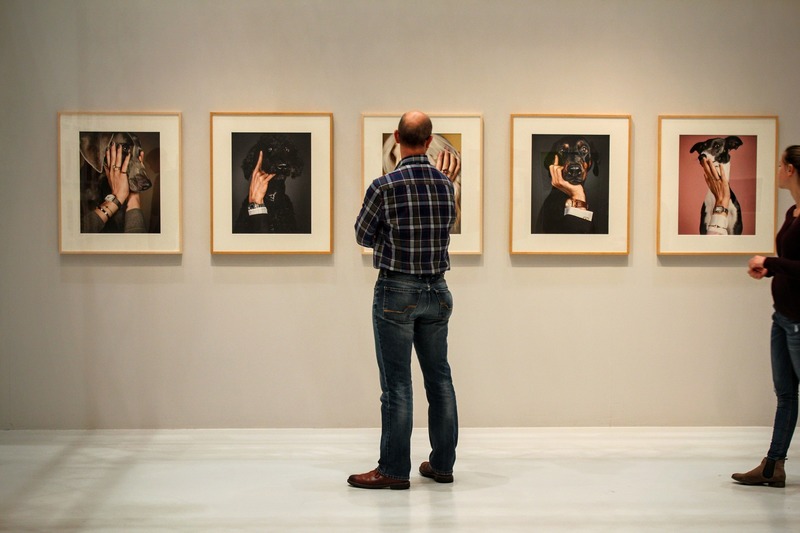
An art exhibition may appear effortless to visitors who walk into a gallery and encounter a thoughtfully arranged collection of work. Paintings hang at comfortable viewing heights, sculptures occupy carefully selected spaces, and each piece contributes to a larger visual experience. Behind that presentation, however, is an extensive process involving planning, coordination, budgeting, transportation, installation, and promotion.
Successful exhibitions require both creative vision and practical organization. Gallery professionals must consider how individual artworks relate to one another while managing deadlines, physical requirements, and communication with artists. Understanding the stages of exhibition planning can help managers create engaging presentations while reducing unnecessary complications.
Developing a Clear Exhibition Concept
Every exhibition begins with an idea.
Some shows explore a particular artistic theme, material, or cultural subject. Others highlight an individual artist’s recent work or bring several artists together around a shared concept.
A strong exhibition concept provides direction without unnecessarily limiting creative possibilities.
Gallery managers should consider what they want visitors to experience and how the selected artwork supports that intention.
For example, an exhibition focused on changing urban environments might include photography, painting, and sculpture that explore different perspectives on city life.
The concept can influence artwork selection, installation decisions, promotional language, and educational programming.
It should be clear enough to communicate effectively while allowing visitors room for personal interpretation.
Selecting Artists and Artwork
Artist selection is one of the most important curatorial decisions.
Gallery professionals may work with represented artists, invite guest participants, or organize submissions depending on the exhibition’s structure.
The selected work should support the concept while offering a thoughtful visual experience.
Managers should consider quality, scale, medium, availability, and the relationships between individual pieces.
Practical limitations also matter.
Large installations may require special equipment, while fragile works can introduce additional handling and display requirements.
Artists need clear information about submission deadlines, delivery expectations, exhibition dates, and responsibilities.
A well-organized selection process helps prevent confusion and establishes a professional foundation for collaboration.
Creating a Realistic Exhibition Budget
Exhibitions can involve expenses that aren’t immediately visible to visitors.
These may include transportation, packaging, insurance, installation materials, printing, marketing, event staffing, and specialized equipment.
Some exhibitions also require artist fees, travel arrangements, or additional technical support.
Effective gallery management involves evaluating these costs before committing to an exhibition schedule.
A detailed budget can help identify which expenses are essential and where adjustments may be possible.
Managers should also consider contingency funds for unexpected needs.
A damaged display fixture, delayed shipment, or additional installation requirement can create costs that weren’t part of the original estimate.
Realistic financial planning allows galleries to support ambitious programming without overlooking operational responsibilities.
Establishing an Exhibition Timeline
A clear timeline connects the creative and logistical aspects of an exhibition.
Planning should begin far enough in advance to accommodate artwork preparation, shipping arrangements, promotional materials, and installation.
Important milestones may include confirming participating artists, finalizing the artwork list, collecting documentation, arranging transportation, and preparing the exhibition space.
Managers should also schedule time for photography, label production, and final inspections.
Working backward from the opening date can help identify deadlines.
However, timelines should include reasonable flexibility.
Artists may need additional preparation time, transportation can be delayed, and installation requirements may change.
A shared schedule helps everyone understand their responsibilities and reduces last-minute uncertainty.
Coordinating Artwork Transportation
Moving artwork safely requires careful planning.
The appropriate transportation method depends on the size, value, materials, and condition of each piece.
Small works may be transported using suitable protective packaging, while large or fragile pieces may require specialized art handlers.
Managers should confirm pickup and delivery arrangements well before installation.
Documentation should identify the artwork being transported and its expected destination.
Condition reports can help establish the state of an object before and after movement.
Insurance arrangements and responsibility for loss or damage should also be clarified.
Proper transportation planning protects artwork and supports more reliable exhibition schedules.
Preparing the Gallery Space
Before installation begins, the gallery space should be evaluated carefully.
Walls may need repairs or repainting, display fixtures may require adjustment, and lighting should be reviewed.
Managers should also consider accessibility, visitor circulation, and any safety requirements associated with the artwork.
The layout should allow people to move comfortably while giving each piece appropriate visual space.
Large installations may influence the placement of nearby work.
Sound-based or digital pieces can require additional attention to electrical access, equipment, and the effect on surrounding exhibits.
Preparing the space in advance helps installation teams work efficiently and reduces the likelihood of unnecessary changes.
Designing an Engaging Exhibition Layout
Exhibition design influences how visitors experience artwork.
The arrangement of pieces can establish visual connections, create contrast, or guide people through a particular sequence.
Managers and curators should consider sightlines, spacing, lighting, and the relationship between individual works.
Not every piece needs to be displayed at the same height or with identical spacing.
However, presentation choices should be intentional and appropriate to the work.
A crowded layout may make it difficult for visitors to appreciate individual pieces.
An overly sparse arrangement may weaken connections between artworks.
The objective is to create a coherent experience that supports the exhibition concept without distracting from the art.
Managing Installation and Artwork Handling
Installation requires careful coordination between gallery staff, artists, and any specialized technicians.
Each artwork should be handled according to its material and structural requirements.
Appropriate equipment and trained personnel are especially important for heavy, fragile, or unusually shaped objects.
Managers should establish procedures for unpacking, inspecting, positioning, and securing artwork.
Condition documentation may be necessary before installation.
Labels and accompanying materials should be checked for accuracy.
The team should also allow time for adjustments after the initial arrangement is complete.
Viewing the exhibition from different positions can reveal lighting problems, awkward spacing, or other details that need attention.
A final inspection helps ensure the presentation is ready for visitors.
Writing Exhibition Labels and Supporting Materials
Interpretive materials can help visitors engage more deeply with an exhibition.
Artwork labels typically provide information such as the artist’s name, title, date, medium, and other relevant details.
Additional text may explain the exhibition’s central themes or provide context about particular works.
Writing should be accessible without oversimplifying the art.
Visitors have different levels of familiarity with artistic terminology, and overly complicated explanations can discourage engagement.
Managers should work with artists to confirm factual accuracy and appropriate descriptions.
Printed guides, digital resources, or educational materials may provide additional information for interested visitors.
The purpose is to support interpretation rather than dictate exactly what someone should think about the work.
Promoting the Exhibition Before Opening
Even a thoughtfully organized exhibition needs an audience.
Promotion should begin early enough to give visitors, collectors, and community partners time to plan.
Gallery websites, email newsletters, social media, local arts calendars, and relevant publications can all contribute to awareness.
Promotional materials should communicate the exhibition’s concept, participating artists, dates, location, and visitor information.
High-quality artwork images can help attract attention.
However, promotional content should accurately represent the exhibition.
Managers may also contact collectors, curators, educators, and other individuals whose interests align with the program.
A coordinated promotional schedule can help maintain visibility without overwhelming audiences with repetitive announcements.
Organizing the Opening Reception
An opening reception provides an opportunity to introduce the exhibition and connect visitors with artists.
Planning may involve invitations, staffing, refreshments, accessibility arrangements, and visitor flow.
Managers should determine whether the event will include artist remarks, guided tours, or other programming.
Staff members need to understand their responsibilities before guests arrive.
Someone may greet visitors, another may answer artwork questions, and others may assist with sales inquiries or event logistics.
A welcoming atmosphere is more important than creating an unnecessarily elaborate event.
Guests should feel comfortable exploring the exhibition and engaging with the work.
Careful preparation allows the team to focus on visitors rather than resolving preventable problems during the reception.
Managing the Exhibition While It Is Open
The work doesn’t end after opening night.
Gallery staff must continue monitoring the condition of artwork, maintaining the space, responding to inquiries, and supporting visitors.
Some exhibitions may include artist talks, workshops, educational tours, or other public programs.
These activities require additional scheduling and coordination.
Managers should also keep artwork availability and sales records current.
If a piece sells during the exhibition, the gallery needs clear procedures for documenting the transaction and determining when the work can be released.
Regular communication with participating artists helps everyone remain informed.
Maintaining consistent standards throughout the exhibition contributes to a professional visitor experience.
Closing the Exhibition and Evaluating Results
Deinstallation deserves the same attention as installation.
Artwork should be carefully removed, inspected, packed, and returned or transferred according to the agreed arrangements.
Condition records may need updating, and sales documentation should be completed.
Managers should also evaluate the exhibition’s results.
Useful information may include attendance, sales, visitor feedback, media coverage, and participation in related events.
However, success isn’t always measured solely by revenue.
An exhibition may strengthen artist relationships, introduce new audiences, or contribute to the gallery’s cultural reputation.
Reviewing both accomplishments and challenges can improve future planning.
Creating Exhibitions That Leave an Impression
Successful art exhibitions combine thoughtful curatorial decisions with careful operational planning.
A compelling concept provides direction, while organized budgets, schedules, transportation, installation, and promotion make the presentation possible.
Each stage contributes to the experience visitors ultimately encounter.
Gallery professionals should also recognize that exhibitions serve multiple purposes. They introduce artistic ideas, support artists, encourage public engagement, and create opportunities for professional connections.
By approaching exhibitions with creativity, organization, and attention to detail, galleries can develop programs that are both memorable for audiences and manageable for the teams responsible for bringing them to life.