
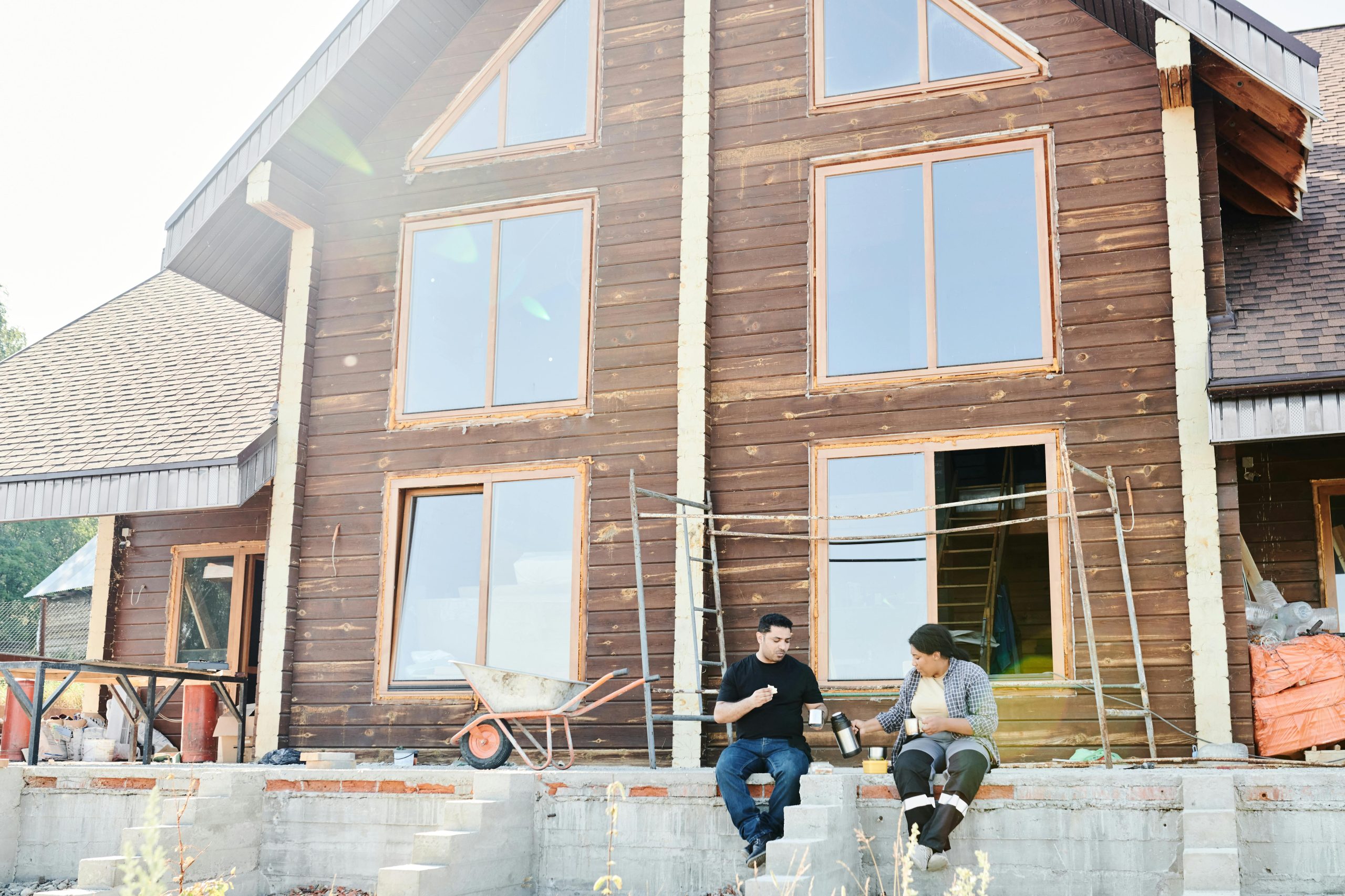
Finding the perfect home can feel like searching for something that doesn’t exist. You tour property after property, only to discover that each one is missing something important; an extra bedroom, a larger kitchen, a better layout, or simply the right feel. In a competitive housing market, the ideal home can be even harder to secure, often selling before you have time to make an offer. For many people, this leads to a pivotal realization: if you can’t find the right house, it may be time to build it.
Building a home from the ground up offers the freedom to design a space that truly fits your lifestyle, preferences, and long‑term goals. It’s a major undertaking, but one that can be deeply rewarding when approached with the right planning and mindset.
The Benefits of Designing a Home That Fits Your Life
One of the biggest advantages of building your own home is customization. Instead of compromising layout, finishes, or functionality, you get to shape every detail. Want a spacious kitchen with a walk‑in pantry? A dedicated home office? A primary suite that feels like a retreat? Buildings allow you to create spaces that support the way you live.
This level of personalization is especially appealing to homeowners who have outgrown their current space or who have unique needs that existing homes don’t meet. In some regions, custom home creation is very common: such as home remodeling in Las Vegas, Nevada, Los Angeles, California, or even Provo, Utah. Homeowners often choose to build or renovate because it allows them to adapt their home to modern design trends and evolving lifestyle demands. Whether you’re building a new or transforming an existing structure, the goal is the same: a home that feels like it was made just for you.
Understanding the Financial Side of Building a Home
While building a home can be more expensive upfront than purchasing an existing property, it often provides better long‑term value. New homes are built to current codes, which means improved energy efficiency, modern materials, and fewer immediate repairs. Over time, these benefits can significantly reduce maintenance costs.
Financing a new build also offers flexibility. Construction loans, land loans, and builder financing packages give buyers multiple paths to make the project feasible. Additionally, because you’re creating a home tailored to your needs, you’re investing in a space that will serve you well for years, potentially decades, to come.
It’s important to work with a builder who provides transparent pricing and clear timelines. Understanding the full scope of the project helps you avoid surprises and ensures your budget aligns with your vision.
Choosing the Right Builder and Team
The success of your home‑building journey depends heavily on the professionals you choose to work with. A reputable builder will guide you through the process, from initial design to final walkthrough, ensuring that your vision is executed with quality and care.
Look for builders with strong portfolios, positive client reviews, and experience in the style of home you want. Architects, designers, and project managers also play crucial roles in bringing your ideas to life. A collaborative team will help you refine your plans, navigate zoning requirements, and make informed decisions about materials and finishes.
Communication is key. Regular updates, clear expectations, and open dialogue help keep the project on track and ensure that the result matches your goals.
Planning for the Future: Building with Longevity in Mind
When designing a home, it’s important to think beyond your immediate needs. Consider how your lifestyle may change over time. Will you need additional bedrooms? More storage? Flexible spaces that can evolve with your family?
Future‑focused design also includes energy efficiency, sustainability, and smart‑home technology. Features like high‑performance windows, solar panels, and advanced insulation can reduce utility costs and increase comfort. Smart systems for lighting, security, and climate control add convenience and long‑term value.
By planning, you create a home that remains functional, comfortable, and efficient for years to come.
When Building Isn’t an Option: Transforming the Home that You Have
For some homeowners, building a new home isn’t feasible due to budget, location, or timing. In these cases, remodeling can be an excellent alternative. A well‑planned renovation can dramatically improve functionality, update outdated spaces, and make your home feel brand new.
Whether you’re expanding your living area, modernizing your kitchen, or reimagining your layout, remodeling allows you to achieve many of the same benefits as building—without starting from scratch. The key is working with professionals who understand your goals and can help you maximize your existing space.
Create the Home That Truly Fits You
If you can’t find the right house, building one may be the best way to achieve the comfort, functionality, and style you’re looking for. Whether you choose to construct a new home or transform your current one, the process allows you to create a space that reflects your lifestyle and supports your long‑term needs. With thoughtful planning, the right team, and a clear vision, you can bring your ideal home to life; one that feels uniquely yours from the moment you walk through the door.