
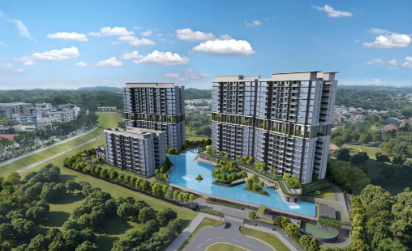
Purchasing a private condominium in Singapore is a significant financial milestone. Whether you are eyeing a luxury unit at the prestigious Thomson Reserve or planning a family home elsewhere, understanding your borrowing capacity is crucial. The Monetary Authority of Singapore enforces strict lending guidelines to ensure financial stability among property buyers. Chief among these regulations is the Total Debt Servicing Ratio, commonly known as TDSR. This metric determines the maximum amount you can borrow from financial institutions to fund your property purchase. By understanding how this ratio operates, you can make informed decisions, avoid costly deposit forfeitures, and secure your dream home without overstretching your monthly budget.
The Fundamentals of the Total Debt Servicing Ratio
The Total Debt Servicing Ratio is a cooling measure designed to prevent buyers from taking on unsustainable debt levels. Currently, the framework stipulates that a borrower’s monthly total debt obligations must not exceed 55% of their gross monthly income. Unlike the Mortgage Servicing Ratio, which applies only to HDB flats and executive condominiums, TDSR applies to all private property purchases, including developments like Lentor Garden.
What Counts as Debt?
When banks calculate this ratio, they do not just look at your potential home loan. They factor in all outstanding financial commitments. This includes car loans, personal loans, student loans, credit card balances, and even renovation loans. If you are eyeing a premium property like Thomson Reserve, your existing monthly liabilities can significantly shrink the amount a bank is willing to lend you.
Gross Monthly Income Calculations
For salaried employees, banks use the stable monthly base salary as the benchmark. However, variable income like bonuses, commissions, and rental income faces a 30% haircut before being factored into the calculation. This means only 70% of your variable earnings count toward your gross monthly income, making it harder for freelancers or commission-based earners to secure larger loan amounts.
How Interest Rate Stress Tests Impact Your Loan
To shield borrowers from sudden interest rate hikes, financial institutions do not calculate your TDSR using the current market interest rate. Instead, they apply a stringent stress-test interest rate, which is currently set at a minimum of 4% per annum for residential property loans. This artificial rate ensures that you can still comfortably afford your monthly installments even if macroeconomic factors drive interest rates upward in the future.
The Impact on Borrowing Power
The stress-test rate directly reduces the maximum loan quantum you can secure. For instance, if you plan to purchase a unit at Lentor Garden, the bank evaluates your repayment capability using this higher stress rate rather than the promotional rate advertised on their website.
A Practical Example
Consider a buyer with a gross monthly income of $10,000. Under the 55% threshold, their total monthly debt repayments cannot exceed $5,500. If they already pay $1,500 monthly for a car loan and credit cards, only $4,000 remains for the mortgage. When the bank calculates that $4,000 allowance using the 4% stress-test rate over a standard 30-year tenure, the allowable loan amount drops significantly compared to a calculation using a standard 2.5% market rate. This makes early planning essential.
Joint Applications and the Income-Weighted Average Age
Many buyers apply for a property loan jointly with a spouse or family member to increase their borrowing capacity. Combining incomes allows you to present a larger gross monthly pool to the bank, which can help meet the strict requirements for upscale properties like Thomson Reserve. However, joint applications introduce a unique metric called the Income-Weighted Average Age (IWAA), which determines the maximum tenure of the loan.
Calculating the IWAA
The bank does not simply average the ages of the co-borrowers. Instead, they weight the age based on each individual’s contribution to the total household income. For example, if a 45-year-old spouse earns $12,000 monthly and a 30-year-old spouse earns $4,000 monthly, the IWAA skews closer to 45.
Why Tenure Matters for TDSR
A shorter loan tenure increases the size of your monthly mortgage installments. Because the monthly repayment figure rises, it takes up a larger portion of your 55% limit, potentially lowering the total loan amount you can secure. Understanding this calculation helps co-borrowers structure their ownership percentages and loan applications more strategically to maximize their leverage without breaching regulatory caps.
Practical Steps to Optimize Your Financial Profile
If your current calculations show you falling short of the required threshold for a desired condominium, you can take active steps to improve your financial profile. Clearing existing liabilities is the most direct way to free up your debt capacity. Paying off credit card balances, outstanding personal loans, or car loans before submitting a property loan application can instantly lower your monthly debt commitments.
Pledging Financial Assets
If you lack sufficient monthly income but possess substantial liquid assets, you can show these to the bank to boost your calculated income. Under current regulations, you can pledge liquid assets such as cash deposits, gold, or shares with the lending bank for a minimum of four years. Alternatively, you can show these assets without pledging them, though they will receive a larger haircut in the bank’s calculations.
Extending the Loan Tenure
Another option is to extend the loan tenure to the maximum allowable limit, which lowers the monthly installment amount. While this increases the total interest paid over the life of the loan, it reduces the monthly burden, helping you stay within the 55% limit for developments like Lentor Garden. Balancing these strategies requires careful planning and a clear understanding of your long-term financial goals.
Conclusion
Securing a condominium in Singapore requires a clear understanding of the regulatory landscape, particularly the Total Debt Servicing Ratio. This framework protects both buyers and financial institutions from the risks of over-leverage. By calculating your existing debt commitments, understanding the impact of stress-test interest rates, and using strategies like asset pledging or debt clearance, you can position yourself for a successful loan application. Whether you are aiming for a premium residence or a suburban sanctuary, early financial preparation is key. Consult with mortgage specialists and review your credit profile well in advance to ensure a smooth, stress-free property transaction.