
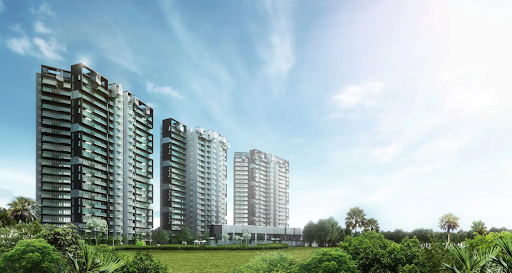
Purchasing real estate as an international buyer requires a clear understanding of local regulatory frameworks. Many global investors look at premium developments like the Thomson Reserve to secure their wealth in stable markets. However, the rules governing property acquisition vary significantly depending on whether you choose a condominium or a landed home. Singapore, for instance, maintains strict guidelines to balance domestic housing needs with foreign investment. While condominiums offer a relatively straightforward path to ownership, landed properties come with stringent restrictions that require government approval. Understanding these legal pathways is essential for any buyer looking to make a secure and profitable real estate investment.
The Legal Framework Governing Landed Property
Landed properties, which include terrace houses, semi-detached houses, and bungalows, represent a finite resource in land-scarce urban environments. To protect local interests, governments enforce strict legislation such as the Residential Property Act. Under these laws, foreign nationals, including permanent residents, cannot freely purchase landed homes on the main island. To buy such properties, a foreigner must submit an application to the Land Dealings Approval Unit (LDAU).
The LDAU evaluates each application on a case-by-case basis. The criteria are exceptionally high, focusing on the applicant’s economic contributions to the country, their professional qualifications, and their long-term commitment to the nation. Even if an applicant receives approval, they face restrictions on usage. For instance, the property must be for owner-occupation and cannot be rented out. This policy ensures that landed homes remain primarily for residential stability rather than speculative investment. Consequently, the transaction volume for landed properties among foreign buyers remains low compared to the condominium sector. Prospective buyers often pivot their focus toward luxury high-rise developments like the Thomson Reserve, where the acquisition process is far less restrictive and permits immediate rental opportunities.
Why Condominiums Offer a Simpler Path
In contrast to landed estates, private condominiums offer a much simpler route for international buyers. Under current regulations, foreign nationals can purchase apartments within private condominium developments without needing prior government approval. This open-door policy makes high-rise living the preferred choice for expats and offshore investors looking to build a local real estate portfolio.
Modern luxury developments, such as the prestigious Lucerne Grand, provide world-class amenities, robust security, and prime locations that appeal to international standards. These buildings are classified as non-landed residential properties, meaning the land itself is owned collectively by the management corporation rather than individual unit owners. This legal distinction removes the national security concerns associated with foreign land ownership. Buyers can complete transactions quickly, secure mortgages from local banks, and lease their units to generate immediate rental yields. Additionally, the resale market for condominiums is highly active, allowing foreign owners to exit their investments with minimal regulatory friction compared to the tightly controlled landed market. Investing in premium projects offers excellent capital appreciation potential and positions condominiums as the most practical entry point for foreign investors entering the local real estate market.
Sentosa Cove: The Exception to the Landed Property Rule
While the restriction on landed property is absolute on the mainland, there is a notable geographical exception designed specifically to attract affluent global citizens. Sentosa Cove, an exclusive residential enclave located on a resort island just off the southern coast, allows foreigners to purchase landed homes. This area operates under a unique regulatory framework that simplifies the LDAU approval process.
The Fast-Track Approval Process
In Sentosa Cove, the government has streamlined the application system. Foreign buyers can obtain approval in as little as forty-eight hours, compared to several months for mainland applications. However, the purchase still comes with specific conditions. Buyers can only own one landed property in Sentosa Cove at any given time, and the land area cannot exceed a specific limit, typically around 1,800 square meters.
Lifestyle and Investment Dynamics
These properties often feature private yacht berths and waterfront views, making them highly desirable. Despite the ease of purchase, these homes are meant for self-occupancy, meaning renting them out requires special permission. For investors who prefer hands-off management and rental income, purchasing a luxury apartment in the Thomson Reserve on the mainland remains a more flexible financial strategy than buying a resort-style bungalow.
Financial Implications and Tax Structures
The legal distinction between landed and condominium properties is not the only factor foreigners must consider; tax structures also play a critical role in the decision-making process. The government utilizes the Additional Buyer’s Stamp Duty (ABSD) as a macroprudential tool to manage housing demand. Foreign buyers face a substantial tax rate when purchasing any residential property, regardless of whether it is a condo or a landed home.
Understanding the Tax Burden
This high tax rate means that buyers must prepare significant upfront capital. For example, acquiring a multi-million dollar unit in the Lucerne Grand requires not only the purchase price but also a substantial cash outlay for stamp duties. These taxes apply equally to mainland condominiums and Sentosa Cove landed properties, impacting the overall return on investment.
Comparing Long-Term Value
When comparing the financial viability of these options, condominiums often come out ahead for foreign buyers. Condos generally require lower maintenance costs and offer higher rental yields than landed properties. A premium unit in a development like the Pinery benefits from shared maintenance expenses managed by the condo committee, whereas a landed property owner bears the full financial burden of structural upkeep, landscaping, and security.
Conclusion
Analyzing the differences between landed and condominium properties is essential for foreign investors looking to enter the market. Landed properties on the mainland remain highly restricted, requiring rigorous government approval that is rarely granted to non-citizens. Conversely, the condominium market offers a direct, hassle-free path to ownership, making premium developments the ideal choice for international buyers. By understanding these regulatory boundaries and tax implications, investors can make informed decisions that align with their financial goals. Whether choosing the urban sophistication of high-rise living or seeking special exemptions, a clear grasp of local laws ensures a secure and prosperous real estate journey.