
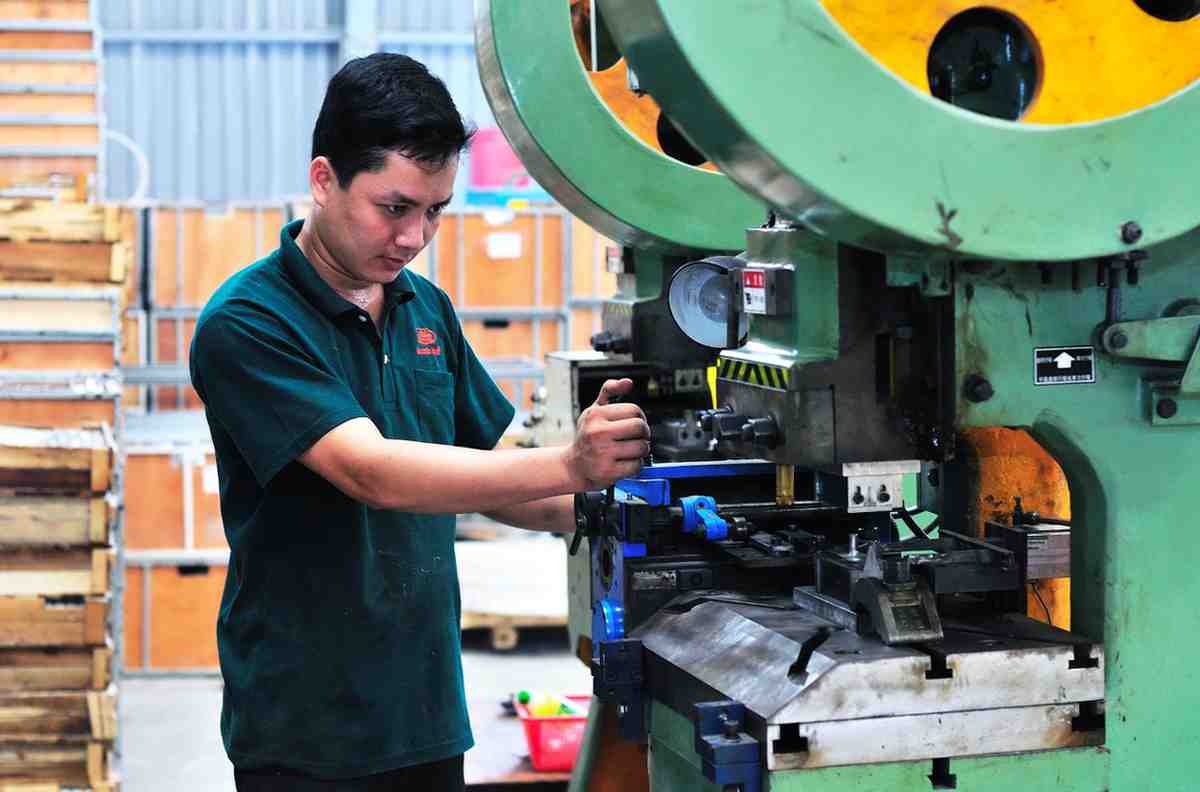
In modern manufacturing, few processes demand as much consistency and accuracy as metal stamping. From automotive components to electronics housings, stamped parts must meet exact specifications to ensure performance, safety, and compatibility. Even minor deviations can lead to costly production delays, product failures, or compromised structural integrity.
Precision in metal stamping shapes far more than individual components—it directly influences the quality and reliability of entire systems. As industries increasingly rely on tight tolerances and high-volume production, the importance of precision continues to grow. Understanding why accuracy matters at every stage of the stamping process provides valuable insight for manufacturers, engineers, and decision-makers alike.
Meeting Tight Tolerances in High-Performance Applications
Many industries operate within extremely tight tolerances, where even a fraction of a millimeter can impact functionality. In the automotive sector, for example, stamped parts must align perfectly with assemblies to ensure safety and efficiency. Similarly, in electronics manufacturing, compact designs demand components that fit seamlessly without interference.
Achieving this level of consistency requires advanced tooling, high-quality materials, and meticulous calibration of machinery. When a manufacturer is committed to precise metal stamping, they are able to produce parts that consistently meet these rigorous standards across large production runs.
Tolerance control also plays a critical role in reducing variability during assembly. When components fit together exactly as intended, manufacturers can streamline workflows, minimize adjustments, and reduce the likelihood of defects further down the line.
Reducing Material Waste and Production Costs
Precision directly contributes to cost efficiency, particularly when it comes to material usage. Metal stamping often involves large quantities of raw material, and even slight inaccuracies can result in wasted resources over time.
Accurate tooling and consistent stamping processes ensure that each sheet or coil of metal is used as efficiently as possible. This reduces scrap rates and helps manufacturers maintain sustainable production practices. Over time, these savings can become substantial, especially in high-volume operations.
Additionally, precision minimizes the need for secondary operations such as reworking or finishing. When parts are produced correctly the first time, manufacturers can avoid the added labor and time associated with correcting defects. This improves overall productivity and allows businesses to meet delivery timelines more reliably.
Ensuring Product Durability and Performance
The durability of a stamped metal component depends heavily on how accurately it is formed. Inconsistent thickness, uneven edges, or improper shaping can weaken a part and lead to premature failure.
Precision stamping ensures that each component maintains uniform strength and structural integrity. This is particularly important for parts that will experience stress, vibration, or repeated use. In industries such as aerospace or heavy machinery, even minor inconsistencies can have significant consequences.
Accurate stamping also supports better material performance. Certain alloys and metals respond differently to stress and shaping, and precision helps preserve their intended properties. By maintaining correct specifications, manufacturers can ensure that materials perform as expected under real-world conditions.
Supporting Innovation and Complex Designs
As product designs become more sophisticated, the demands placed on metal stamping increase. Engineers are developing components with intricate geometries, thinner profiles, and multifunctional features. These advancements rely on precise manufacturing techniques to bring designs to life.
Modern stamping processes are capable of producing complex parts with remarkable accuracy, but this level of capability depends on precision at every stage. From die design to press operation, each step must be carefully controlled to achieve the desired outcome.
Precision also enables manufacturers to experiment with new designs without sacrificing reliability. When processes are well-calibrated, it becomes easier to push boundaries and explore innovative solutions. This is particularly valuable in industries driven by rapid technological advancement, where staying ahead often requires continuous improvement.
Maintaining Quality Control and Industry Compliance
Quality control is a central concern in any manufacturing environment, and precision plays a key role in maintaining consistent standards. Stamped parts must undergo rigorous inspection to ensure they meet specifications, and precise processes make it easier to achieve compliance.
Industries such as medical device manufacturing and aerospace operate under strict regulatory requirements. Components must meet exact criteria, and documentation often requires proof of consistent quality across production runs. Precision stamping helps manufacturers meet these expectations with confidence.
Consistent accuracy also simplifies inspection processes. When parts are produced within narrow tolerances, it becomes easier to detect anomalies and address potential issues early. This reduces the risk of defective products reaching the market and helps maintain a strong reputation for quality.
Conclusion
Precision in metal stamping is a fundamental driver of quality, efficiency, and innovation. From meeting tight tolerances to reducing waste and supporting complex designs, accuracy influences every aspect of the manufacturing process.
As industries continue to evolve and demand higher performance from their components, the role of precision will only become more critical. By prioritizing accuracy and investing in advanced stamping techniques, manufacturers can ensure reliable outcomes, strengthen their competitive position, and deliver products that meet the highest standards of excellence.