
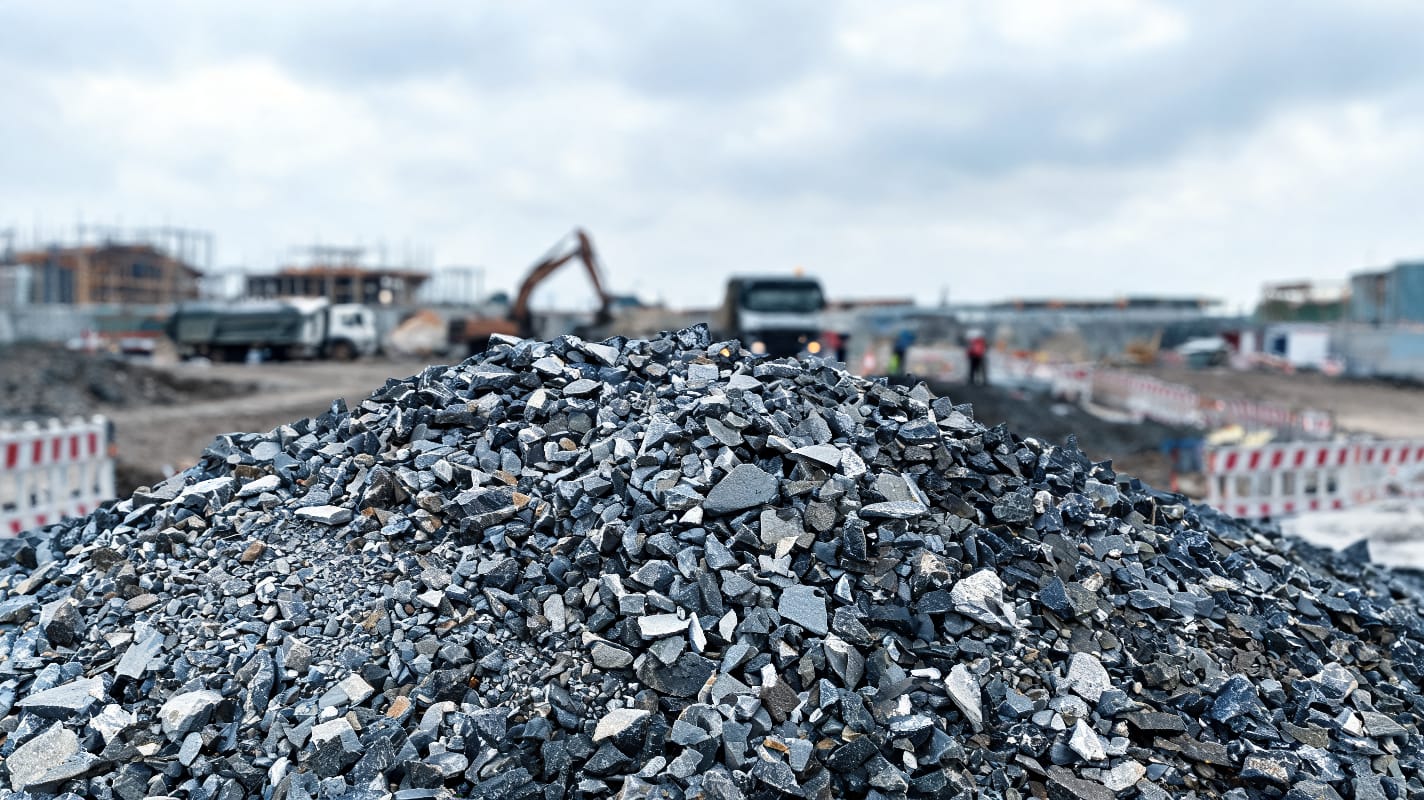
Construction sites often generate large amounts of broken concrete and asphalt from demolition, roadwork, parking lot repairs, driveway replacements, and site preparation. Instead of treating that material as waste, contractors can turn it into a useful resource with a Rebel crusher. By processing material directly on the jobsite, crews can reduce hauling, lower disposal costs, and create recycled aggregate that may be reused for base layers, backfill, access roads, and other construction applications.
Concrete and asphalt recycling has become a practical way for contractors to save money while improving jobsite efficiency. With the right equipment, material that would normally be hauled away can be crushed, screened, and repurposed. For companies that regularly deal with demolition debris or pavement removal, Rebel Crusher concrete recycling can help make projects more productive and cost-effective.
Why Concrete and Asphalt Recycling Matters
Concrete and asphalt are two of the most common materials removed during construction and demolition projects. Old sidewalks, curbs, slabs, foundations, driveways, roads, and parking lots can create heavy debris that is expensive to transport and dispose of.
When contractors haul this material to a landfill or dump site, they are paying for trucking, fuel, labor, disposal fees, and lost time. Then, in many cases, they pay again to bring new aggregate back to the jobsite. This cycle can add unnecessary cost to a project.
Recycling changes that process. Instead of removing valuable material, contractors can crush it into a usable product. The result may be used as compactable base, road base, temporary construction access, drainage material, or general fill depending on the project requirements. This helps reduce waste while giving crews more control over their material supply.
How a Rebel Crusher Supports Jobsite Recycling
A Rebel Crusher allows contractors to process concrete and asphalt close to where the material is removed. This is especially useful on active construction sites where time, space, and trucking access are limited.
By using portable crushing equipment, contractors can move the machine to different jobsites as needed. That portability is important for companies that handle multiple types of work, such as demolition, excavation, road repair, utility work, landscaping, and commercial site development.
Instead of waiting for outside crushing services or hauling debris off site, crews can crush material as part of the job workflow. This can keep projects moving and reduce delays caused by trucking schedules, disposal site hours, or aggregate delivery issues.
Common Construction Sites That Benefit
Many construction sites can benefit from concrete and asphalt recycling. One of the most common examples is demolition work. When an old structure is removed, concrete foundations, block walls, sidewalks, and pavement may all be available for recycling. A crusher can help turn that debris into usable material for the next phase of the project.
Road and parking lot projects are another strong fit. Milling, pavement removal, curb replacement, and asphalt tear-outs can create large volumes of recyclable material. With asphalt recycling on construction sites, contractors may be able to process old pavement into material for base layers, temporary roads, or other suitable applications.
Residential and commercial driveway projects can also benefit. When an old concrete or asphalt driveway is removed, the material can often be crushed and reused instead of hauled away. This can be especially helpful on larger properties, farms, industrial sites, and private roads where base material is needed nearby.
Turning Waste into Recycled Aggregate
One of the biggest advantages of jobsite crushing is the ability to create useful aggregate from existing material. Recycled aggregate production can reduce the need to purchase new stone or gravel, especially for applications where recycled material is acceptable.
Crushed concrete can often be used under slabs, driveways, parking areas, access roads, and construction pads. It can also be used as trench backfill or general fill when it meets project requirements. Crushed asphalt can be useful for road base, temporary driving surfaces, shoulder material, and other applications where compactable recycled material is appropriate.
Of course, every project has different specifications. Contractors should always follow local codes, engineering requirements, and customer expectations. Still, many construction projects can use recycled aggregate effectively, especially for non-decorative and base applications.
Saving Money on Hauling and Disposal
One of the clearest benefits of using a concrete and asphalt crusher is cost savings. Heavy debris is expensive to move. The more truckloads a project requires, the more money is spent on fuel, labor, equipment wear, and disposal fees.
By crushing material on site, contractors can reduce the number of trips needed to remove debris. They may also reduce the number of deliveries required for new aggregate. This creates savings on both sides of the project.
For example, a contractor removing an old parking lot may otherwise need to haul asphalt away and bring in fresh base material. With a crusher, some of that removed material may be processed and reused on the same site. That can shorten the material handling process and reduce overall project costs.
Improving Jobsite Efficiency
Time is one of the most valuable resources on any construction site. Waiting for trucks, coordinating deliveries, and managing debris piles can slow down progress. A Rebel Crusher can help simplify this process by allowing crews to process material where they are already working.
This can make the jobsite more organized. Instead of large piles of broken concrete or asphalt waiting to be removed, material can be crushed into a more manageable product. That product can then be stockpiled for reuse or moved where it is needed.
For contractors working in tight urban areas, this can be especially helpful. Reducing truck traffic can make the site safer and easier to manage. It can also help limit disruption to nearby businesses, residents, or traffic patterns.
Supporting More Sustainable Construction
Many clients are looking for contractors who can reduce waste and use resources more responsibly. Construction site recycling is a practical way to support those goals.
Recycling concrete and asphalt helps keep heavy material out of landfills. It also reduces the need to quarry, transport, and purchase as much new aggregate. While cost savings are often the main reason contractors invest in crushing equipment, the environmental benefits can also strengthen their marketing and bidding position.
For public projects, commercial developments, and environmentally focused clients, the ability to recycle material on site can be a selling point. It shows that the contractor is thinking beyond basic removal and disposal.
Expanding Services for Contractors
Adding concrete and asphalt recycling can help contractors offer more value to customers. A demolition contractor can provide removal and material processing. A site prep company can produce reusable base material. A paving contractor can handle asphalt removal and recycling as part of a larger project.
This can create new revenue opportunities. Contractors may be able to offer on-site crushing as an added service or use recycled aggregate to reduce project costs and improve bid competitiveness.
For small and mid-sized contractors, this added capability can make a major difference. Instead of outsourcing crushing or turning down jobs that involve large amounts of concrete and asphalt, they can take more control over the work.
Best Practices for Better Results
To get the most from a Rebel Crusher, contractors should plan the recycling process before crushing begins. Material should be separated as much as possible, especially if concrete and asphalt are being processed for different uses. Contaminants such as wood, trash, excessive dirt, and metal should be removed when possible.
Crews should also think about the desired finished size. Different applications may require different output sizes, so it is important to match the crushed product to the intended use. Proper feeding, routine maintenance, and operator training can also help improve performance and reduce downtime.
Good planning helps contractors create a cleaner, more useful recycled product. It also helps prevent delays and keeps the crushing process aligned with the rest of the job.
Final Thoughts
Using a Rebel Crusher for concrete and asphalt recycling can help contractors turn jobsite waste into valuable material. Instead of paying to haul away heavy debris and then buying new aggregate, crews can process what is already available and reuse it where appropriate.
From demolition and roadwork to parking lots, driveways, utility projects, and site preparation, jobsite recycling can save time, reduce costs, and improve project efficiency. For contractors who regularly handle concrete and asphalt, portable crushing is more than a convenience. It is a practical way to increase control, support sustainability, and create more value from every construction site.