
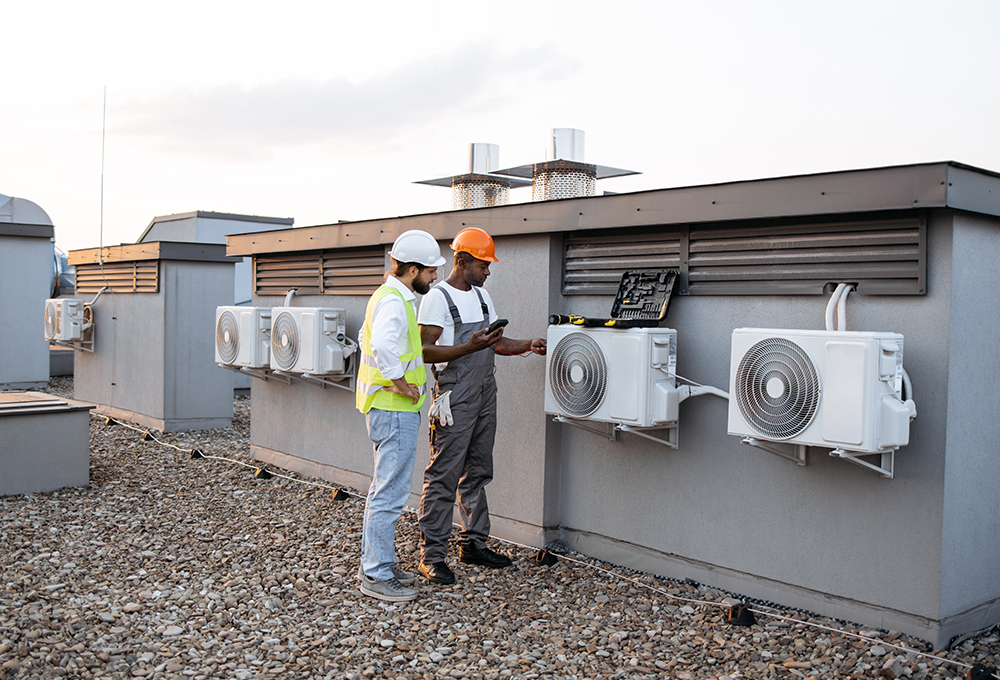
An HVAC system can look outdated, struggle through peak weather, and still not need a larger unit as the first answer. That is where many upgrade conversations go wrong. Owners focus on the equipment cabinet because it is visible and expensive, while the real performance limit often sits inside the duct system. Weak airflow, uneven room temperatures, long runtimes, and noisy operation are frequently blamed on aging equipment when the duct design is doing much of the damage. For property managers, facility managers, and building owners, checking duct design before recommending new equipment is not a cautious extra step. It is what keeps an upgrade from becoming an expensive mismatch.
The Duct System Sets The Terms
- Equipment Can Only Deliver So Much
HVAC equipment does not perform in isolation. It depends on the duct system to move the right volume of air to the right spaces with manageable resistance and balanced distribution. If the duct layout is undersized, poorly routed, leaking, or restrictive, even a high-performing new unit will struggle to deliver stable comfort. The equipment may be capable on paper, but the building will not experience that capacity in practice if the air cannot move properly.
That is why contractors such as Semper Fi Heating and Cooling often examine the duct system before discussing tonnage, efficiency ratings, or replacement options. A homeowner or property manager may assume the existing unit is simply too small. Yet the real issue may be static pressure, return-air restrictions, poor branch sizing, or duct leakage that prevents the system from using its existing capacity. Recommending equipment without understanding those conditions is not a sound upgrade strategy.
- Undersized Ducts Limit New Performance
One of the most common reasons contractors inspect duct design first is that undersized ducts can choke a replacement system from day one. When supply or return ducts are too small for the airflow a unit requires, static pressure rises, blower performance drops, and room delivery becomes inconsistent. The equipment may run longer, sound louder, and wear faster, even though it is technically new.
This matters because many owners expect a replacement to immediately solve comfort problems. If the original duct design was marginal, installing a more powerful system without addressing airflow can make the problem more visible rather than less. A stronger blower pushing into restrictive ductwork does not create efficient comfort. It often creates noise, pressure problems, and uneven delivery that continue after the upgrade. Contractors check duct sizing first because system performance depends on airflow, not just equipment output.
- Return Air Problems Distort Diagnosis
Return air is often overlooked during replacement discussions, but it has a major effect on whether an upgrade will work. A system cannot deliver proper supply air if it cannot pull enough return air back to the equipment. In many homes and light commercial buildings, the return side is restrictive, poorly located, or insufficient to meet the space’s demands. That creates comfort issues that are easily mistaken for equipment weakness.
Contractors inspect the return design to determine whether the system is being starved before it even conditions the air. Rooms may feel stuffy, upper floors may lag, and filters may load up quickly, all because the return pathway is not supporting balanced circulation. If that problem is left in place during an upgrade, the new system inherits the same performance bottleneck. Checking duct design before replacement helps contractors distinguish equipment issues from circulation issues and keeps owners from paying for capacity they cannot fully use.
- Poor Distribution Skews Room Comfort
Even when overall system airflow seems adequate, duct design can still create room-by-room problems that no equipment upgrade alone will solve. Some spaces receive too much air, others too little, and the thermostat ends up controlling comfort based on one part of the building while other rooms remain off target. These imbalances are often caused by branch design, register placement, damper settings, duct length, and the system’s original layout.
A larger or newer unit does not automatically fix those distribution flaws. In fact, it may magnify them. Rooms that were already over-supplied may become draftier, while distant rooms remain uncomfortable because the underlying delivery path has not changed. Contractors check the duct design because comfort is not measured only at the equipment. It is measured where people actually occupy the space. If the duct system cannot distribute air evenly, the upgrade recommendation must account for this before new equipment is selected.
Better Upgrades Start With Better Diagnosis
HVAC contractors check duct design before recommending equipment upgrades because the duct system determines how effectively any unit can perform once installed. If airflow is restricted, distribution is uneven, return capacity is weak, or leakage is significant, a new system may inherit the same flaws that made the old one seem inadequate. Replacing equipment without addressing those conditions can create a polished version of the same problem.
For property managers, facility teams, and building owners, that diagnosis-first approach leads to stronger decisions. It helps distinguish between a true equipment limitation and a delivery problem that has been undermining system performance for years. When contractors evaluate the duct system first, they are not delaying the upgrade conversation. They are making sure the upgrade actually solves something.
Stay in touch to get more updates & news on Building Business News!