
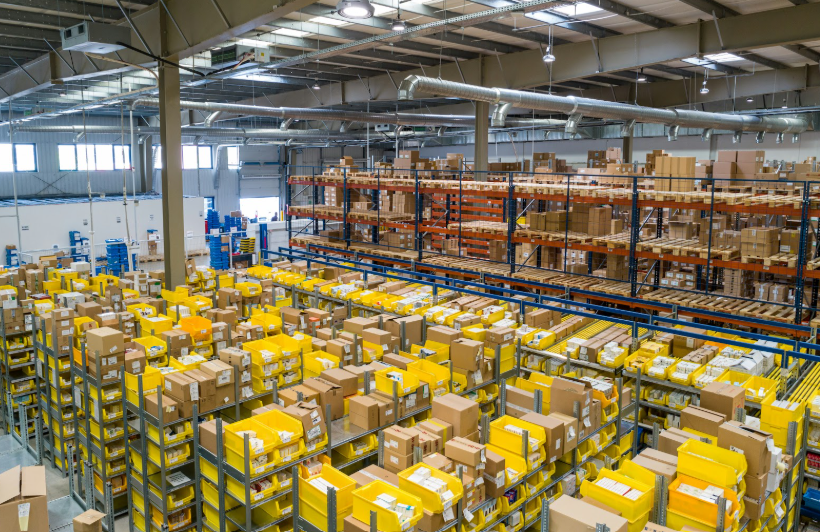
Efficient logistics rarely gets the spotlight, yet it quietly determines whether a business thrives or stalls. Behind every successful product launch, seamless customer experience, or expanding market footprint lies a well-orchestrated logistics strategy. Companies that treat logistics as a strategic function—not just an operational necessity—position themselves to scale faster, respond to disruptions, and deliver consistent value to customers. As supply chains grow more complex and customer expectations continue to evolve, businesses can no longer rely on outdated systems or reactive decision-making. Logistics has become a core driver of competitiveness, influencing everything from cost control to brand reputation. Understanding how to build and refine this foundation is no longer optional—it’s essential.
The Shift from Operational Support to Strategic Advantage
For years, logistics was viewed as a backend function focused on moving goods from point A to point B. Today, it plays a far more dynamic role. Businesses are integrating logistics into their broader strategic planning, aligning it with growth objectives, customer satisfaction goals, and sustainability initiatives. This shift is largely driven by the need for agility. Market conditions change rapidly, and companies must be able to adapt without disrupting operations. A strong logistics framework enables quicker responses to demand fluctuations, supplier issues, and unexpected global events. It also helps businesses maintain consistency, even when scaling into new regions or product lines.
Technology as a Catalyst for Smarter Logistics
Technology has fundamentally reshaped logistics management. From real-time tracking systems to predictive analytics, companies now have access to tools that provide unprecedented visibility and control. These tools allow businesses to anticipate potential disruptions, optimize routes, and reduce unnecessary costs. More importantly, they support data-driven decision-making, replacing guesswork with actionable insights. For a deeper look into how logistics systems operate within manufacturing environments, this comprehensive guide to manufacturing logistics offers valuable industry context.
Building a Resilient Supply Chain Infrastructure
Resilience has become a defining characteristic of successful logistics operations. Businesses must be prepared to handle disruptions without compromising service quality or delivery timelines. A resilient supply chain is not built overnight. It requires careful planning, diversified sourcing strategies, and strong partnerships across the logistics network. Companies that invest in flexibility—such as multiple distribution channels or adaptable warehousing solutions—are better equipped to navigate uncertainty. Another critical factor is communication. Clear coordination between suppliers, carriers, and internal teams ensures that issues are identified early and resolved quickly. This level of alignment minimizes downtime and helps maintain operational continuity.
The Role of Data in Risk Mitigation
Data plays a central role in strengthening supply chain resilience. By analyzing historical trends and real-time information, businesses can identify patterns that signal potential risks. For example, recurring delays in specific routes or seasonal demand spikes can be anticipated and managed proactively. This foresight allows companies to allocate resources more effectively and avoid costly disruptions.
Choosing the Right Logistics Partner for Long-Term Growth
Not every business has the resources to build a fully integrated logistics operation in-house. This is where third-party logistics providers (3PLs) become invaluable. The right partner can streamline operations, reduce overhead costs, and provide access to industry expertise that would otherwise take years to develop. Working with a reliable provider like Bear Down Logistics allows businesses to focus on their core competencies while ensuring that their supply chain runs efficiently. Experienced logistics partners bring established networks, advanced technology, and proven processes that enhance overall performance. However, selecting a logistics partner should never be a purely cost-driven decision. Compatibility, reliability, and scalability are equally important. A strong partnership is built on transparency, shared goals, and a commitment to continuous improvement.
What to Look for in a Logistics Provider
When evaluating potential partners, businesses should consider the ability to adapt to changing demands, access to advanced tracking and reporting systems, a strong and proven industry reputation, and the capacity to scale operations alongside business growth. Each of these factors plays a critical role in ensuring that logistics operations remain efficient and future-ready. Choosing the right partner is not just about solving current challenges—it’s about preparing for future expansion.
Logistics and Customer Experience: An Overlooked Connection
Customer experience is often associated with marketing, branding, and customer service. Yet logistics plays an equally important role. Delivery speed, order accuracy, and transparency directly influence how customers perceive a brand. Late shipments, damaged goods, or lack of communication can quickly erode trust. On the other hand, a seamless delivery experience enhances customer satisfaction and encourages repeat business. This is especially important for companies participating in events or expanding their market presence. For businesses preparing to showcase their products, understanding how logistics impacts presentation and timing is crucial. This becomes particularly relevant when planning for events like trade fairs, where preparation and execution must align perfectly, as discussed in this guide to preparing for a trade fair booth.
The Impact of Last-Mile Delivery
The final stage of the delivery process—commonly known as last-mile delivery—is often the most challenging and most visible to customers. It is also where expectations are highest. Businesses that optimize this phase through efficient routing, accurate delivery windows, and clear communication gain a competitive edge. Even small improvements in last-mile performance can significantly enhance overall customer satisfaction.
Sustainability in Logistics: A Growing Priority
Sustainability is no longer a secondary concern. Customers, investors, and regulators are increasingly holding businesses accountable for their environmental impact. Logistics operations contribute significantly to carbon emissions, particularly through transportation and warehousing. Companies are now exploring ways to reduce their footprint by optimizing routes, adopting energy-efficient technologies, and utilizing eco-friendly packaging. Sustainable logistics is not just about compliance—it also presents opportunities for cost savings and brand differentiation. Businesses that proactively address environmental concerns often find themselves better positioned in the marketplace.
Balancing Efficiency and Responsibility
Achieving sustainability without compromising efficiency requires a strategic approach. Businesses must evaluate trade-offs carefully and invest in solutions that deliver both environmental and operational benefits. For instance, consolidating shipments can reduce emissions while also lowering transportation costs. Similarly, investing in smarter inventory management reduces waste and improves resource utilization.
Conclusion
Logistics has evolved into a critical driver of business success, shaping how companies operate, compete, and grow. From leveraging technology to building resilient supply chains and enhancing customer experiences, the role of logistics extends far beyond transportation. Businesses that recognize this shift and invest in strategic logistics planning gain a significant advantage. They are better equipped to navigate challenges, seize new opportunities, and deliver consistent value to their customers. As markets continue to evolve, one thing remains clear: a strong logistics foundation is not just supportive—it’s transformative.