
Many buyers imagine that ordering stamped parts is as simple as sending a drawing and waiting for boxes to arrive. In practice, there is a sensible sequence of steps between an idea and thousands of finished parts. Knowing what each stage involves makes planning easier and helps avoid delays.
Starting With the Design
Everything begins with a drawing or a 3D model, along with information about how the part will be used. This is the moment to discuss material, tolerances, quantities and finishing needs. A manufacturer reviewing the design can flag features that are hard to stamp, such as holes too close to an edge, bends too tight for the chosen alloy, or details that will cause the metal to tear. Fixing these points on paper costs almost nothing, while fixing them after tooling is built is expensive.
Choosing the Material
The next decision is the alloy and its thickness. As discussed in other guides, copper, aluminum, nickel and specialty alloys each have strengths and limits. The right choice depends on strength, corrosion exposure, heat, conductivity and cost. Often, a quick exchange with an experienced engineer will narrow the options sensibly.
Prototyping
Before committing to a full production die, many projects begin with prototype parts. Prototypes may be made using simpler tooling or other methods, and they allow you to test fit and function in the real assembly. This stage reveals problems that are difficult to predict, such as an interference with a neighboring part or a spring that does not behave as expected. A reliable supplier of metal alloys stamping parts will usually support this stage because it improves the final result for everyone.
Designing and Building the Tooling
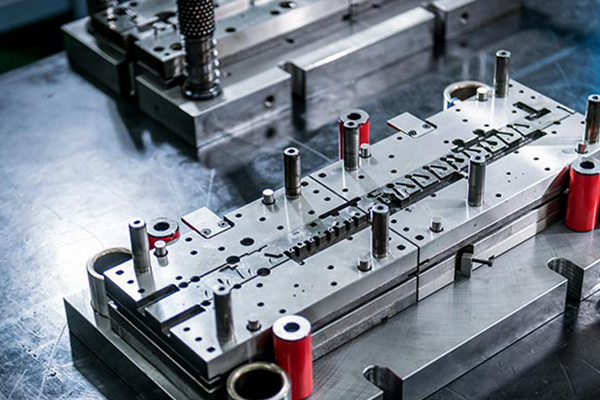
Once the design is confirmed, the die is designed and manufactured. For complex parts, this can involve a progressive die that performs several operations in sequence as a strip of metal moves through the press. Tooling is a significant investment and takes time to produce, which is why careful design review beforehand pays off. Good dies are built from durable tool materials and are made to be maintained and repaired over time.
Trial Runs and Approval
After the die is built, the manufacturer runs trial parts and measures them against the drawing. Adjustments are made until the parts meet requirements. The customer typically reviews and approves samples before production begins. This approval step formally locks in what acceptable looks like, which avoids disagreements later.
Ramping Up to Full Production
With approved tooling and process settings, production can scale. Stamping is well suited to high volume because each press stroke is quick, and the process is repeatable. During the run, inspection continues at planned intervals so any drift is caught early. Packaging and labeling should also be agreed in advance so parts arrive protected and identifiable.
Managing Changes and Repeat Orders
Designs often change after launch. Perhaps a dimension needs adjusting or a material is improved. Tell your manufacturer as early as possible, because changes may require tooling modifications. For repeat orders, confirm how the supplier stores and maintains your tooling and how they plan capacity, so you are not caught short when you need more parts.
Timelines and Realistic Expectations
Tooling usually takes the longest part of the schedule, so plan for it. Rushing the design review to save a few days is a false economy if it leads to retooling. Ask your supplier for a realistic timeline broken down by stage, and build some buffer into your own plans.
Final Thoughts
The path from prototype to mass production is straightforward when each stage is handled carefully. Clear communication, an honest design review and a sensible testing step create a smoother journey and a better final product.
It also helps to keep a record of decisions made at each stage, such as the approved material, the agreed tolerances and the sample sign off. When a question comes up months later, that record saves time and prevents misunderstandings between your team and the manufacturer.