
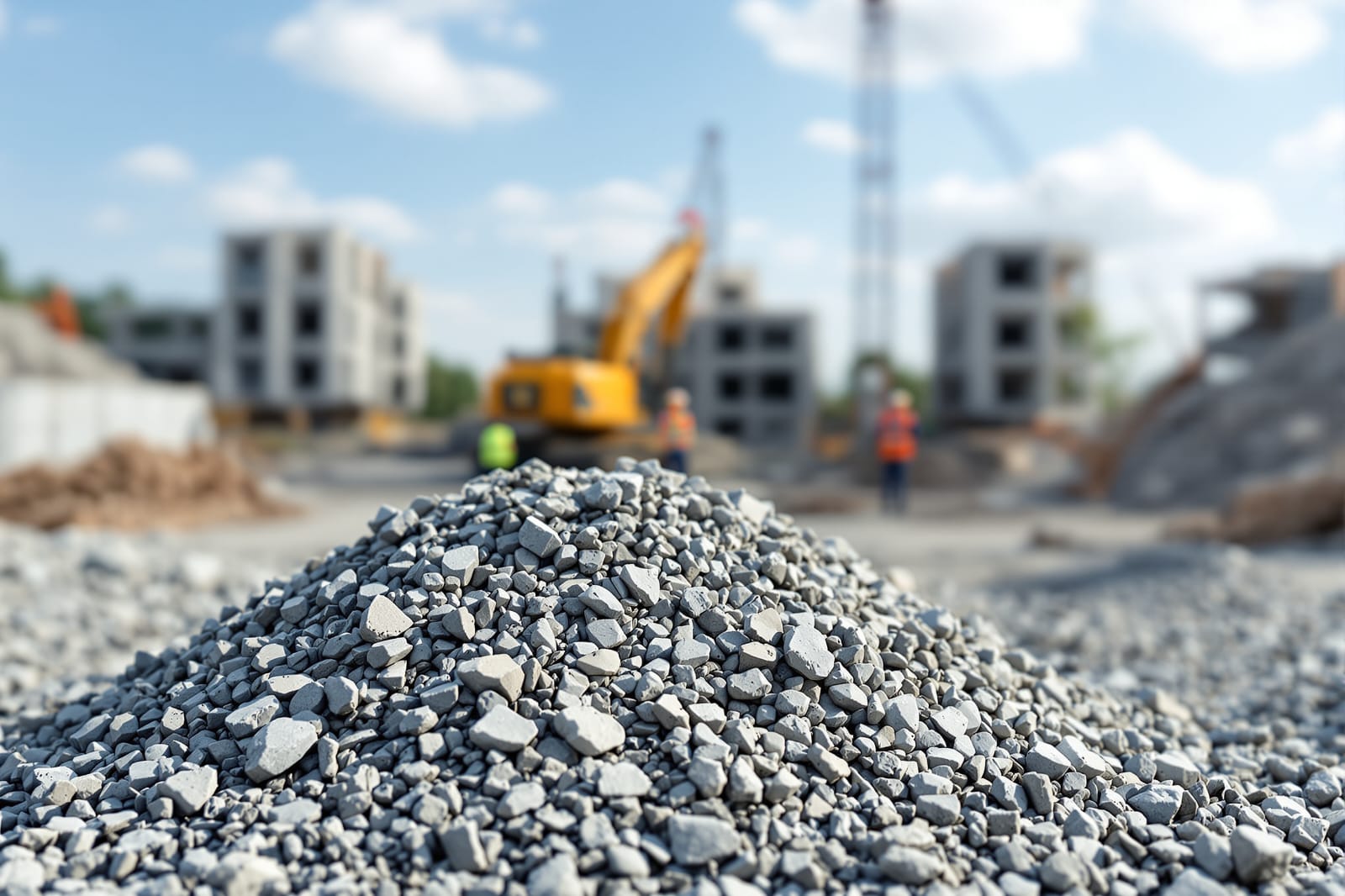
Buying a first crusher is a different decision than adding another excavator to a fleet. The equipment is more specialized, the resale market works differently, and the monthly payment only tells part of the story. Contractors exploring their first crushing purchase often start by comparing sticker prices, when the more useful comparison is total cost of ownership across the equipment’s working life. Entry-level options like a Crush-All bucket crusher attachment, which mounts to an excavator a contractor may already own, illustrate how the right first purchase can lower both the upfront capital and the financing risk compared to a standalone machine.
Why This Purchase Deserves Its Own Playbook
General equipment financing advice doesn’t always translate cleanly to crushing equipment. A skid steer or a dump truck has a broad resale market, predictable depreciation, and financing terms lenders are comfortable quoting quickly. Crushers are a narrower category. Fewer buyers, more specialized use cases, and wider variation in condition and hours all make crusher financing options a bit more involved to shop for than most other heavy equipment purchases. First-time buyers who go in expecting the same process as financing a loader are often surprised by how much lenders want to know about the borrower’s actual production plans, not just the machine’s price tag.
Total Cost of Ownership Matters More Than the Purchase Price
The purchase price or monthly payment is the number that gets the most attention, but it’s rarely the number that determines whether a crusher was a good investment. Total cost of ownership crusher calculations need to include fuel consumption, wear parts like jaw plates or blow bars, routine maintenance, and the labor to run the machine, stacked against what the contractor is currently paying to haul material away or buy virgin aggregate. A crusher with a lower monthly payment but higher wear-part costs can end up more expensive over three years than a slightly pricier machine built for the specific material a contractor processes most often.
First-time buyers benefit from asking a dealer or manufacturer for realistic wear-part life and fuel consumption figures before signing anything, rather than backing into those numbers after the first year of ownership.
New Versus Pre-Owned: Where the Math Actually Lands
Pre-owned crusher value is one of the more overlooked factors in a first-time purchase decision. Crushing equipment, when properly maintained, tends to hold value reasonably well compared to other heavy equipment categories, which cuts both ways for a buyer. It means a well-maintained used machine can be a smart way to enter the market at a meaningfully lower price point. It also means a poorly maintained one can carry hidden costs that erase whatever savings looked appealing on paper. Reviewing maintenance records, wear part history, and hour counts matters more with crushing equipment than it does with more commoditized machines, since the gap between a well-cared-for unit and a neglected one shows up faster in a crusher’s output and downtime.
Smaller entry points, like an attachment that pairs with equipment already on the fleet, also reduce how much is riding on getting that first financing decision exactly right. It’s a lower-risk way to confirm that on-site processing actually fits a contractor’s workflow before committing to a larger standalone machine.
Questions Worth Asking Before Signing
A few questions consistently separate buyers who end up satisfied with their financing decision from those who don’t. What’s the realistic resale value after five years, and how does that affect the true cost of the loan? What financing terms exist specifically for construction equipment, as opposed to general commercial loans that may carry less favorable terms for specialized machinery? And does the volume of material the contractor expects to process actually justify the payment, or would a smaller, less expensive option cover the same work at lower risk?
None of these questions have a universal answer. They depend on the contractor’s material volume, local disposal costs, and how the equipment fits into work that’s already happening on site. But asking them before financing a crusher, rather than after the first payment comes due, is what separates a purchase that pays for itself from one that just adds a line to the monthly budget.