
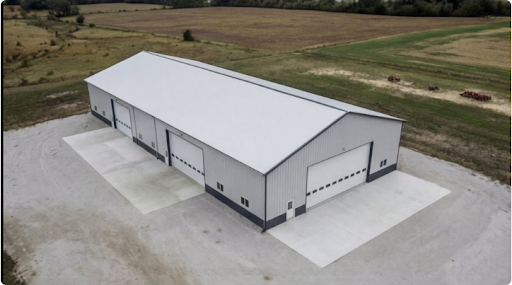
In the diverse and dynamic world of farming, efficient use of space is paramount. Whether you are managing a large-scale operation or a modest family farm, having a versatile structure that accommodates equipment, livestock, and office space can significantly enhance your productivity. Enter the world of multi-purpose farm structures, a revolutionary solution for modern agricultural needs.
The Essentials of Planning a Multi-Purpose Farm Structure
Before breaking ground on your multi-purpose farm building, it is crucial to lay the groundwork with a well-thought-out plan. This planning phase will determine the layout, functionality, and efficiency of your farm structure.
1. Assessing Your Needs and Setting Goals
Begin by conducting a thorough assessment of your current and future needs. Analyse the types and sizes of equipment you use, the amount and type of livestock you plan to house, and any additional space requirements for office operations. This foresight will ensure your structure is both practical and scalable. Moreover, it is crucial to understand the local zoning laws and building codes, which may influence your design choices.
2. Selecting the Right Material
Choosing the right material forms the backbone of your farm structure. Steel leads the way in durability and versatility, especially in Canada’s variable climate. Steel is resistant to pests, fire, and harsh weather conditions, making it an ideal choice for agricultural metal buildings. Its ability to support large spans without internal columns maximizes interior space, giving you flexibility in design and future modifications.
3. Designing for Functionality and Flexibility
Creating a functional layout is integral to a successful multi-purpose farm structure. Segregate spaces based on function: storage for machinery, stabling areas for livestock, and enclosed spaces for offices. Incorporate adaptability into your design. Consider removable or mobile partitions that can adjust space configurations as your needs change. The key is finding a balance between dedicated areas and flexible spaces.
4. Ensuring Energy Efficiency
As you plan your multi-purpose farm structure, consider incorporating energy-efficient solutions. Insulating your building will reduce heating and cooling costs, crucial in the variable Canadian climate. Incorporate ample natural lighting through strategically placed windows and skylights, reducing reliance on electricity. Additionally, think about installing solar panels to power your farm sustainably.
5. Accessibility and Safety Considerations
Accessibility is essential for a well-functioning farm structure. Plan for wide corridors and entry points that accommodate large machinery and smooth transitions between livestock areas and office spaces. Safety measures should be a top priority: install proper ventilation systems, fire exit routes, and secure storage areas for hazardous materials. Adequate lighting is also crucial for safety and efficiency.
6. Integrating Office Space
Modern farming demands a balance between practical operations and administrative work. Integrating a dedicated office space within your multi-purpose structure allows seamless oversight of your operations. Ensure this office space includes essential features like internet connectivity, efficient storage solutions for documents, and comfortable workstations to allow for administrative work and essential record-keeping without having to leave the farm.
7. Implementing Modern Technology
Embrace technology to optimize your farm structure’s functionality. Implement smart systems for lighting, heating, and ventilation control. Automated feeding and watering systems can streamline livestock care, while advanced security systems will help protect your valuable assets. Technology not only enhances efficiency but also reduces the physical workload on farm operators.
8. Considering Aesthetic Value
While functionality reigns supreme, the aesthetic value of your farm structure can have subtle benefits. An aesthetically appealing building can boost farm morale and may even enhance property value. Consider elements like attractive siding options, tasteful colour palettes, and landscaping that complements the building’s design.
9. Budgeting for Your Project
A successful project is one that stays on budget without compromising essential features. Work with contractors to obtain detailed cost estimates for all aspects of the build, from materials to labour. Keep a contingency fund to manage unexpected expenses. Compare financing options and explore government grants or subsidies available for agricultural developments in Canada.
10. Partnering With the Right Experts
The complexity of planning and building a multi-purpose farm structure demands collaboration with experts in the field. Seek out specialists experienced in designing agricultural metal buildings to ensure your structure meets all regulatory standards and personal specifications. Expert guidance can also steer you towards cost-saving measures and innovative designs that add value to your project.
Conclusion: The Future of Farming Structures
As agriculture continues to evolve, so too must the structures that support its activities. Creating a multi-purpose farm structure that effectively integrates equipment, livestock areas, and office space can propel your operation into new realms of efficiency and versatility. By combining foresight, smart planning, and expert assistance, you can construct a facility that meets your immediate needs and adapts to future agricultural advancements.
Undertaking such a project may seem daunting, but the rewards of increased productivity, security, and comfort will affirm your decision. Farming is no longer just about soil and toil; it is about innovation and adaptability. Your multi-purpose farm structure is a testament to your preparedness for the future of agriculture.