
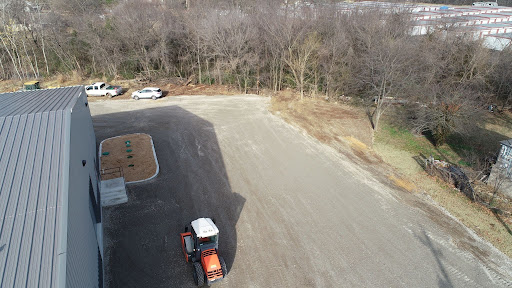
Excavation is one of the first services many property projects need, but it is also one of the easiest to underestimate. A machine moves soil, a truck hauls material, and suddenly the site looks different. Simple, right? Not quite. General excavation involves planning, access, drainage, grading, hauling, soil behavior, safety, and the intended use of the finished property.
For Tulsa-area homeowners, builders, landowners, and commercial property managers, good dirt work can support a stronger project from the ground up. T&J Excavating lists services related to dozer work, demolition, home sites, dump trucking, pond building, septic systems, parking lots, utility lines, gravel driveways, and dirt. Those services all connect to one practical goal: preparing land so the next phase can move forward with fewer headaches and less guesswork.
What Does General Excavation Usually Include?
General excavation is a broad category. Depending on the property, it may include clearing trees or brush, removing unwanted structures or debris, digging, grading, building pads, shaping driveways, preparing parking areas, installing utility trenches, hauling dirt, creating ponds, or improving drainage. The work can be residential, commercial, rural, or construction-related.
The exact scope depends on the job. A home site may require clearing, cutting high areas, filling low spots, compacting material, and shaping a pad for construction. A driveway or parking area may need grading and a stable base. A pond project may involve excavation, slope work, and careful shaping so the finished feature performs properly. Utility line work requires controlled digging and awareness of underground conditions.
That is why excavation should not be treated as random digging. Each bucket of soil should serve a purpose. The best projects begin with a clear goal, a site review, and a plan for how the ground needs to function after the machines leave.
Why Is Site Preparation So Important?
Site preparation is the stage that makes the rest of the project easier to build. Before concrete, structures, landscaping, septic systems, driveways, or ponds can perform well, the ground must be suitable. Poor preparation can lead to settling, drainage problems, soft areas, erosion, or expensive rework.
A professional site preparation process looks at access, slope, soil type, drainage, vegetation, existing debris, and where trucks and equipment can move. If the project involves a building pad, the ground may need to be shaped and compacted. If the project involves a driveway, the surface may need to be graded so water does not sit in the travel path. If the project involves a low area, fill dirt may be needed to create a more usable elevation.
This is also where communication helps. Property owners should share what they know about utilities, septic areas, past fill, buried debris, old foundations, drainage issues, or areas that stay wet after rain. Dirt has a memory, and sometimes it remembers old decisions nobody wrote down.
How Does Fill Dirt Affect the Final Result?
Fill dirt is often used to raise low areas, fill holes, support grading changes, prepare construction areas, or improve the shape of a property. It may sound basic, but the quality and placement of fill dirt matter. Material containing too much organic matter, debris, or unsuitable soil can create long-term settlement or stability issues.
For construction and landscaping projects, fill dirt should be chosen with the finished use in mind. A non-structural landscaping area may not require the same approach as a building pad or driveway support area. Moisture content, compaction, layer depth, and drainage all influence how well the material performs. In other words, not all dirt is ready for the same job, even if it looks equally brown from the truck window.
For local material information, customers can review Fill Dirt in Tulsa, OK.
When fill is used correctly, it can help create better site elevations, smoother transitions, and more functional land. When it is placed without planning, it may create new drainage issues or settle unevenly. The smart approach is to match the material and placement method to the site’s purpose.
What Role Does Drainage Play in Excavation?
Drainage is one of the important parts of excavation because water always finds a path. If the grade sends runoff toward a structure, driveway, parking area, or low spot, the property may deal with standing water, erosion, mud, or maintenance problems. Good grading helps direct water where it can drain safely.
Excavation crews often consider slope, soil type, ditches, swales, culverts, pond edges, driveway crowns, and low areas. Even small elevation changes can affect water movement. A site that looks fine on a dry day may tell a different story during heavy rain.
Drainage planning is especially important in projects involving home sites, parking lots, gravel driveways, ponds, and utility lines. Water near a building pad can affect stability. Water crossing a driveway can wash out material. Water trapped behind soil changes can create soggy areas. A thoughtful excavation plan helps reduce those risks before they become recurring problems.
This does not mean every site needs a complicated drainage system. Sometimes the answer is proper slope, good material placement, and a clean path for runoff. The goal is simple: keep water from becoming the unofficial project manager.
How Should Property Owners Prepare Before Work Begins?
Preparation can make excavation more efficient. Before work begins, property owners should define the project goal, identify the work area, clear unnecessary vehicles or belongings, and mark any features that should be protected. They should also discuss access points, gates, fences, overhead lines, underground utilities, irrigation, septic systems, and areas that may be soft or difficult to cross.
It helps to think about what happens before, during, and after the excavation. Where will trucks enter? Where can material be staged? Is there enough room for the equipment to turn around? Will the weather affect the schedule? Does the finished grade need to connect to an existing driveway, building, pond, or drainage path?
Customers should also expect that excavation can reveal unknown conditions. Buried debris, unexpected rock, wet soil, old concrete, or utility conflicts can change the plan. A good contractor communicates when conditions change and helps determine the next practical step.
For general excavation services, site preparation, dirt work, and related support, customers can learn more from T&J Excavating.
What Makes Professional Dirt Work Worth Planning Carefully?
Professional dirt work is valuable because it supports the life of the project. The finished result may not always be flashy, but it affects how the property drains, how vehicles move, how stable a pad becomes, and how future improvements perform. Excavation is one of those services people appreciate most when it is done correctly and notice quickly when it is not.
Experience matters because operators must make practical decisions in real time. Soil moisture, slope, equipment access, material type, and weather can all influence the work. The right equipment also matters. Dozers, excavators, skid steers, compactors, and dump trucks each have different strengths. Matching the machine to the task helps reduce delays and avoid unnecessary disturbance.
A well-planned excavation project can help customers save time, reduce waste, protect property features, and prepare land for construction, landscaping, drainage, access, or utility needs. It also creates a clearer path for the trades or improvements that come next.
Building Better Projects Starts With Better Ground
General excavation is not just about digging holes or pushing piles of soil around. It is about reshaping land with a purpose. From fill dirt and grading to site preparation, pond work, demolition support, and hauling, each step can influence how well the finished project functions.
For Tulsa-area customers, the smartest approach is to ask questions early, understand the site, plan for drainage, choose suitable material, and work with a contractor who treats dirt work as a foundation step. When the ground is prepared well, the rest of the project has a better chance to stay level, drain properly, and move forward without unnecessary surprises.