
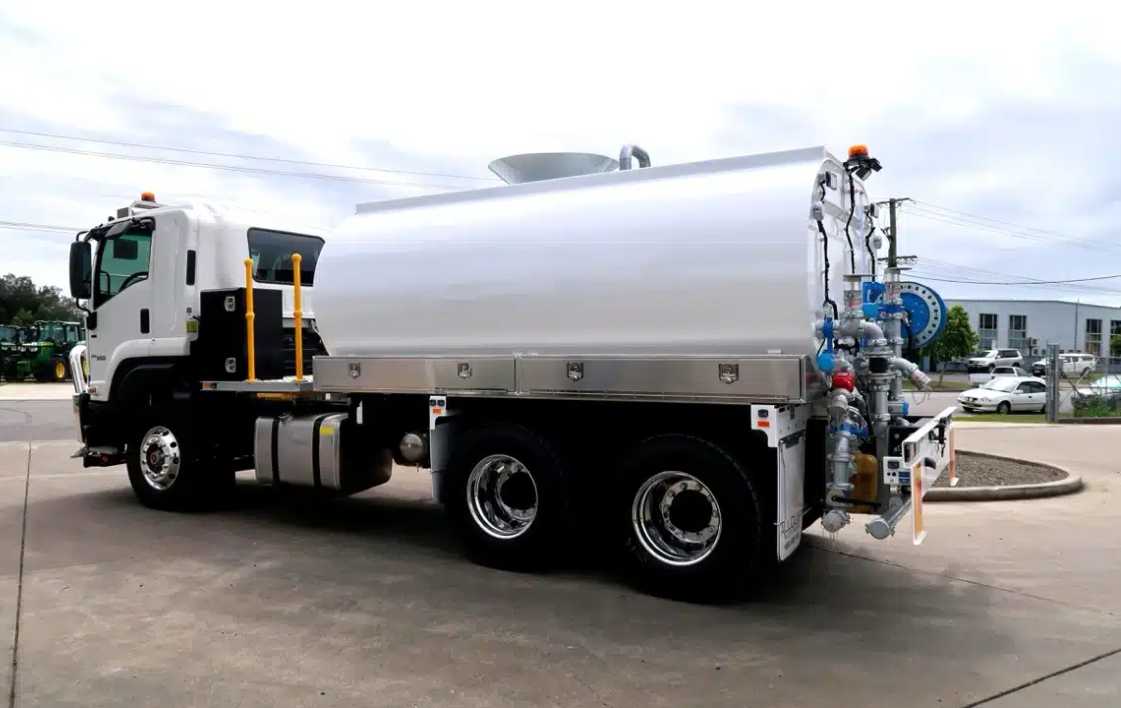
Water trucks are often seen as simple vehicles used for transporting water, but they fulfill a myriad of essential functions across various industries. Many people associate water trucks primarily with construction sites or firefighting, but their versatility extends far beyond these common uses.
For instance, in agriculture, water trucks play a critical role in efficient irrigation systems, helping farmers maximize their yields while conserving water. Even in urban settings, these trucks offer invaluable services for dust control and road maintenance, ensuring that communities remain safe and clean.
Understanding the diverse applications of a water truck can help various sectors optimize their operations. If you’re curious about how a water truck can serve your specific needs, exploring Allquip’s range of water trucks can provide insights into the available options.
In this blog post, we will delve into seven powerful uses of water trucks that you might not be aware of, highlighting their importance and encouraging you to consider how they could benefit your industry or project.
1. Dust Suppression
Dust is an inevitable byproduct of many activities, particularly in construction, mining, and road maintenance. Excessive dust can pose health risks to workers and residents, leading to respiratory issues and increased mobilization of pollutants. A water truck effectively combats this issue by spraying water on dusty surfaces.
Through regular application, water trucks help maintain air quality by minimizing airborne particulates. This method of dust suppression is not only efficient but also environmentally friendly, as it utilizes water rather than chemicals to control dust levels.
The use of a water truck for dust suppression can significantly reduce the need for costly dust control solutions. By efficiently managing dust, industries can enhance safety protocols and comply with regulations.
Moreover, regular dust control operations can lead to prolonged infrastructure lifespan, as excessive dust can contribute to wear and tear on machinery and vehicles. Embracing water trucks for dust suppression can be a game-changer for many project managers and site supervisors aiming to create a healthier work environment.
2. Landscape Irrigation
Water trucks are invaluable in landscape irrigation, particularly for large properties or during dry seasons. Many municipalities and businesses struggle to provide sufficient water supply for landscaping needs. A water truck can easily deliver large quantities of water to gardens, parks, and agricultural fields. This is particularly beneficial for areas experiencing drought conditions where traditional irrigation may be insufficient.
In addition, using a water truck for landscape irrigation can help sustain greenery in urban areas, contributing to aesthetic and environmental benefits. It ensures that lawns and plants remain healthy and vibrant, enhancing the quality of life in communities.
Landscaping companies often rely on water trucks to provide consistent and reliable moisture delivery, making them indispensable for maintaining attractive and healthy outdoor spaces. The adaptability of water trucks makes them an efficient choice for managing landscape watering needs while reducing waste.
3. Fire Emergency Services
One of the most critical roles of water trucks is in firefighting. In emergency situations, rapid access to water can mean the difference between containment and disaster. Water trucks offer a reliable and mobile source of water, particularly in remote areas where traditional plumbing may not be available. These trucks can deliver water directly to the firefighting site, enabling first responders to act swiftly.
Firefighters often depend on water trucks for filling portable tanks or directly supplying hoses during an emergency. This agility allows them to tackle wildfires or contain structural fires more effectively.
By equipping trucks with firefighting capabilities, such as pumps and hoses, agencies can transform standard water trucks into powerful firefighting tools. This capability not only mitigates risks but also enhances the efficiency of fire response operations, making water trucks an integral asset for fire services.
4. Dust Control in Agriculture
Agricultural operations benefit significantly from the use of water trucks in dust control. As farming activities increase, so does the need to manage dust generated from tilling, harvesting, and other processes. Similar to construction sites, excessive dust can adversely affect crop yields and soil quality. Water trucks help farmers keep their fields moist, preventing dust from settling on crops and impairing photosynthesis.
Moreover, maintaining optimal soil conditions is crucial for healthy plant growth. Utilizing water trucks for dust control contributes to a balanced ecosystem on farms and helps safeguard against crop damage. The versatility of water trucks allows farmers to implement timely and effective dust control measures, keeping operations running smoothly and ensuring high productivity. By investing in water trucks for dust management, farmers can protect their investments and promote sustainable agriculture practices.
5. Road Maintenance
Road maintenance is another area where water trucks play a pivotal role. Maintaining unpaved roads, for instance, requires regular watering to prevent dust and erosion. Water trucks help keep these roads in good condition, making them safer for vehicles and pedestrians alike. Moreover, regular watering helps compact the road surface, which can reduce wear on vehicles and extend the road’s lifespan.
In urban areas, water trucks can also assist in street cleaning operations. They help remove debris and dust from city streets, enhancing aesthetic appeal and contributing to public safety. By utilizing water trucks for road maintenance, municipalities can ensure that their infrastructure remains intact while promoting safer travel conditions. With their ability to deliver targeted water supplies, these trucks are invaluable tools for any road maintenance team.
6. Agricultural Spraying
Beyond irrigation, water trucks can be equipped for agricultural spraying, allowing for the efficient application of fertilizers and pesticides. Farmers often find themselves needing to cover large areas quickly, and water trucks can facilitate this process by transporting and distributing these essential agricultural inputs.
The ability to customize water trucks for spraying purposes enables farmers to tailor their approach to various crops and conditions. This versatility can optimize resource usage and reduce waste, ultimately improving the efficiency of agricultural operations. When farmers can deliver the right amount of treatments at the right time, they boost both productivity and sustainability, making water trucks a vital asset in modern farming.
7. Events and Festivals
Lastly, water trucks play a crucial role in community events and festivals. These occasions often require significant water supplies for various purposes, from maintaining cleanliness to providing fresh drinking water. Water trucks can supply water for cooking, consumption, and sanitation facilities, ensuring attendees have access to essential services.
Event organizers depend on water trucks to fill portable toilets and provide water stations, contributing to the overall success of the gathering. By having a water truck on site, organizers can ensure a smooth flow of operations, enhancing the experience for attendees. This application emphasizes the versatility and importance of water trucks beyond typical industrial uses, showcasing how they can foster community engagement and enjoyment.
FAQs
What is the primary purpose of a water truck?
Water trucks are primarily designed to transport water for various applications, including dust suppression, irrigation, fire-fighting, and cleaning.
Can water trucks be used in agriculture?
Yes, water trucks are widely used in agriculture for irrigation, dust control, and spraying fertilizers and pesticides.
How much water can a water truck carry?
Water trucks typically range in capacity from 2,000 liters to 75,000 liters, depending on the specific model and purpose.
Are water trucks environmentally friendly?
When used for dust suppression or road maintenance, water trucks can be environmentally friendly by minimizing the use of chemicals and promoting clean air quality.
How can I utilize a water truck for my business?
To use a water truck effectively, assess your specific needs—whether for dust control, irrigation, or event services and consult with suppliers who can customize the truck features to meet those needs.
Conclusion
Water trucks are far more than simple vehicles for transporting water. Their versatility makes them invaluable across various sectors, from agriculture to emergency services. By understanding these seven powerful uses, businesses and organizations can leverage water trucks to enhance their operations, improve efficiency, and maintain safety standards.
Whether you’re managing a construction site, running a farm, or organizing a community event, consider how a water truck could meet your specific needs. Investing in high-quality water trucks can result in significant benefits, both in terms of productivity and environmental impact, making them indispensable to modern operations.