
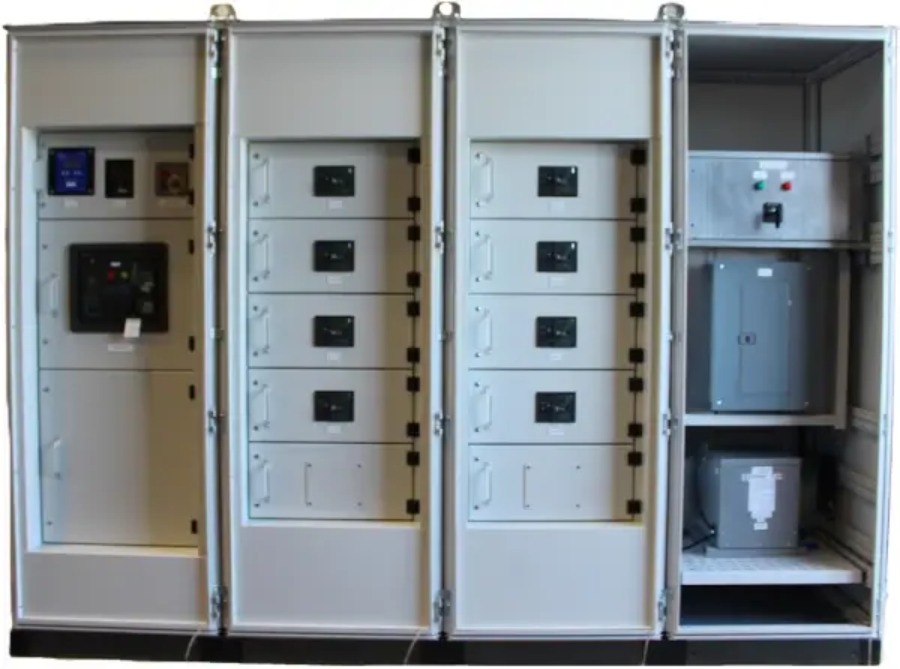
Switchgear is one of the most critical components of any electrical network. It protects, controls, and isolates electrical equipment to ensure safe power distribution across residential buildings, commercial complexes, industrial facilities, and utility networks.
As modern infrastructure becomes more advanced and energy demand grows, high quality switchgear power solutions have become essential for achieving safety, reliability, and operational efficiency.
This guide explores what switchgear is, how it works, its types, benefits, key components, applications, maintenance practices, and how to choose the right switchgear power solution for your facility.
Understanding Switchgear Power Solutions
Switchgear refers to electrical devices used to manage the flow of electrical power by switching, protecting, and controlling circuits. It ensures that electrical faults, overloads, and failures do not cause system wide damage.
Why Switchgear Matters
Switchgear power solutions are essential for:
- Preventing electrical accidents
- Protecting equipment from damage
- Ensuring smooth and continuous power flow
- Reducing downtime in commercial and industrial operations
- Managing high voltage loads safely
In simple terms, switchgear ensures that electricity is delivered safely and efficiently wherever it is needed.
How Switchgear Works
Switchgear systems detect abnormalities in electrical circuits and automatically isolate faulty sections. This prevents faults from spreading, protects sensitive equipment, and ensures that other parts of the electrical network continue functioning.
Switchgear performs three key operations:
- Switching
- Protection
- Isolation
These functions are carried out by components such as:
- Circuit breakers
- Switches
- Relays
- Fuses
- Busbars
- Control panels
Together, these components ensure reliable operation across various voltage levels.
Types of Switchgear Used in Modern Power Systems
Switchgear solutions are available in several configurations depending on voltage level, application, and site requirements.
1. Low Voltage Switchgear
Designed for voltages up to 1000 volts, LV switchgear is commonly used in:
- Residential buildings
- Small commercial projects
- Retail shops
- Data rooms
- Small scale machinery
Low voltage switchgear protects circuits from overload and short circuits.
2. Medium Voltage Switchgear
Used for voltages between 1 kilovolt and 36 kilovolts, these are typically found in:
- Industrial plants
- Large commercial buildings
- Manufacturing units
- Hospitals
- Substations
Medium voltage switchgear is crucial for handling higher loads safely.
3. High Voltage Switchgear
Used for voltages above 36 kilovolts, high voltage switchgear is essential in:
- Utility grids
- Power plants
- Transmission systems
- Renewable energy farms
These systems are designed for maximum safety due to high fault level risks.
4. Indoor and Outdoor Switchgear
Switchgear can be installed either indoors or outdoors depending on environmental conditions and application.
5. Gas Insulated Switchgear and Air Insulated Switchgear
Two commonly used insulation methods include:
- Gas insulated switchgear which is compact and suitable for space limited environments
- Air insulated switchgear which is cost effective and easier to maintain
Key Components of Switchgear Power Solutions
Switchgear assemblies include a combination of protective and switching devices.
Circuit Breakers
Automatically interrupt current flow when faults are detected.
Disconnectors or Isolators
Provide safe isolation during maintenance.
Switches
Manually or automatically control circuits.
Relays
Detect faults and trigger circuit breakers.
Fuses
Protect circuits from overload by breaking when current exceeds the limit.
Busbars
Distribute power efficiently between different sections.
Control Panels
Monitor and manage system operations.
Together, these components create a reliable, responsive, and safe electrical distribution system.
Benefits of Using Switchgear Power Solutions
Switchgear provides several advantages that are essential for modern electrical infrastructure.
1. Enhanced Safety
- Prevents fires caused by electrical faults
- Protects personnel during maintenance
- Reduces arc flash risks
2. Improved System Reliability
- Minimizes power interruptions
- Isolates only faulty sections
- Ensures uninterrupted operation
3. Efficient Power Management
- Supports load balancing
- Enables smooth switching between sources
- Provides better control of electrical distribution
4. Long Term Equipment Protection
- Reduces mechanical and thermal stress
- Prevents damage to transformers, cables, and motors
5. Scalable and Flexible
Switchgear can be expanded or upgraded to support growing power demands in the future.
6. Suitable for Complex Electrical Systems
From hospitals to data centers, switchgear solutions adapt to diverse electrical environments.
Applications of Switchgear Power Solutions Across Industries
Switchgear is used in nearly every sector that depends on electricity. Some of the key applications include:
Commercial Buildings
- Office complexes
- Shopping centers
- Hotels
- Airports
Switchgear controls distribution to lighting, lifts, HVAC systems, and service equipment.
Industrial Facilities
- Manufacturing plants
- Chemical plants
- Refineries
- Food processing units
These require robust switchgear to manage high power usage and heavy machinery.
Power Generation Plants
- Thermal power
- Hydroelectric
- Nuclear facilities
- Renewable energy farms
Switchgear protects generators and feeders from faults.
Utility Distribution Networks
Used to manage transmission lines and substations across cities and regions.
Hospitals and Data Centers
Require high reliability and fail safe systems due to their critical operations.
Factors to Consider When Choosing Switchgear Power Solutions
Selecting the right switchgear from Meta Power Solutions ensure both safety and long term performance.
1. Voltage and Load Requirements
Understand:
- Maximum load
- Fault current levels
- Future demand growth
2. Installation Environment
Consider:
- Indoor or outdoor placement
- Humidity levels
- Temperature conditions
- Space availability
3. Safety and Compliance Standards
Switchgear must meet relevant standards such as:
- IEC
- NEC
- IEEE
- National building and electrical codes
4. Maintenance Needs
Some switchgear systems require more maintenance than others. Gas insulated switchgear, for example, needs less frequent servicing.
5. Budget and Operational Costs
Evaluate:
- Initial investment
- Operational expenses
- Lifecycle cost
6. Backup and Redundancy Options
Ensure the switchgear supports:
- Generators
- UPS systems
- Automatic transfer switching
7. Scalability
Choose a system that can expand as your facility grows.
Switchgear Installation and Best Practices
Proper installation ensures long term reliability and safety.
Engage Qualified Professionals
Only licensed electrical engineers should design and install switchgear systems.
Ensure Proper Ventilation
Prevent overheating by allowing airflow around the switchgear cabinets.
Secure Mounting and Grounding
Correct grounding prevents electrical hazards and ensures compliance.
Clear Labelling
Each component and circuit should be clearly labelled for safety and maintenance convenience.
Load Testing
Test the switchgear under different loads to ensure stable performance.
Maintaining Switchgear Power Systems
Switchgear must be properly maintained to ensure continued reliability and safety.
Routine Maintenance Tasks
- Inspect connections
- Test relays and breakers
- Check insulation
- Look for signs of overheating
- Clean internal compartments
Preventive Maintenance
- Lubrication of moving parts
- Thermographic scanning
- Electrical testing
- Calibration of protective devices
When to Replace Switchgear
Consider replacement if:
- Components show signs of excessive wear
- The system no longer meets safety standards
- Load requirements have increased
- You experience frequent electrical faults
Modern Innovations in Switchgear Power Solutions
Technology is transforming switchgear to be smarter, safer, and more efficient.
Smart Digital Switchgear
Integrates sensors and monitoring systems for:
- Real time diagnostics
- Remote monitoring
- Predictive maintenance
Arc Resistant Switchgear
Improves safety by containing arc flash incidents.
Eco Friendly Switchgear
Uses sustainable insulation materials to reduce environmental impact.
Modular Switchgear Systems
Allow easy expansion and customizable configurations.
Advantages of Investing in High Quality Switchgear Power Solutions
The right switchgear delivers long term value beyond just electrical protection.
Operational Stability
Minimizes downtime and ensures continuous operation.
Energy Efficiency
Reduces power losses and improves resource management.
Lower Maintenance Costs
High quality systems experience fewer failures and require less intervention.
Better Equipment Lifespan
Extends the life of transformers, motors, and other assets.
Safer Work Environment
Reduces electrical hazards and ensures compliance with regulations.
Conclusion
Switchgear power solutions are essential for managing and protecting electrical systems across residential, commercial, industrial, and utility environments. High quality switchgear ensures reliable power distribution, minimizes electrical risks, and supports the long term efficiency of critical infrastructure.
Whether you operate a small commercial building or a large industrial plant, selecting the right switchgear and maintaining it properly can significantly enhance safety and operational performance.