
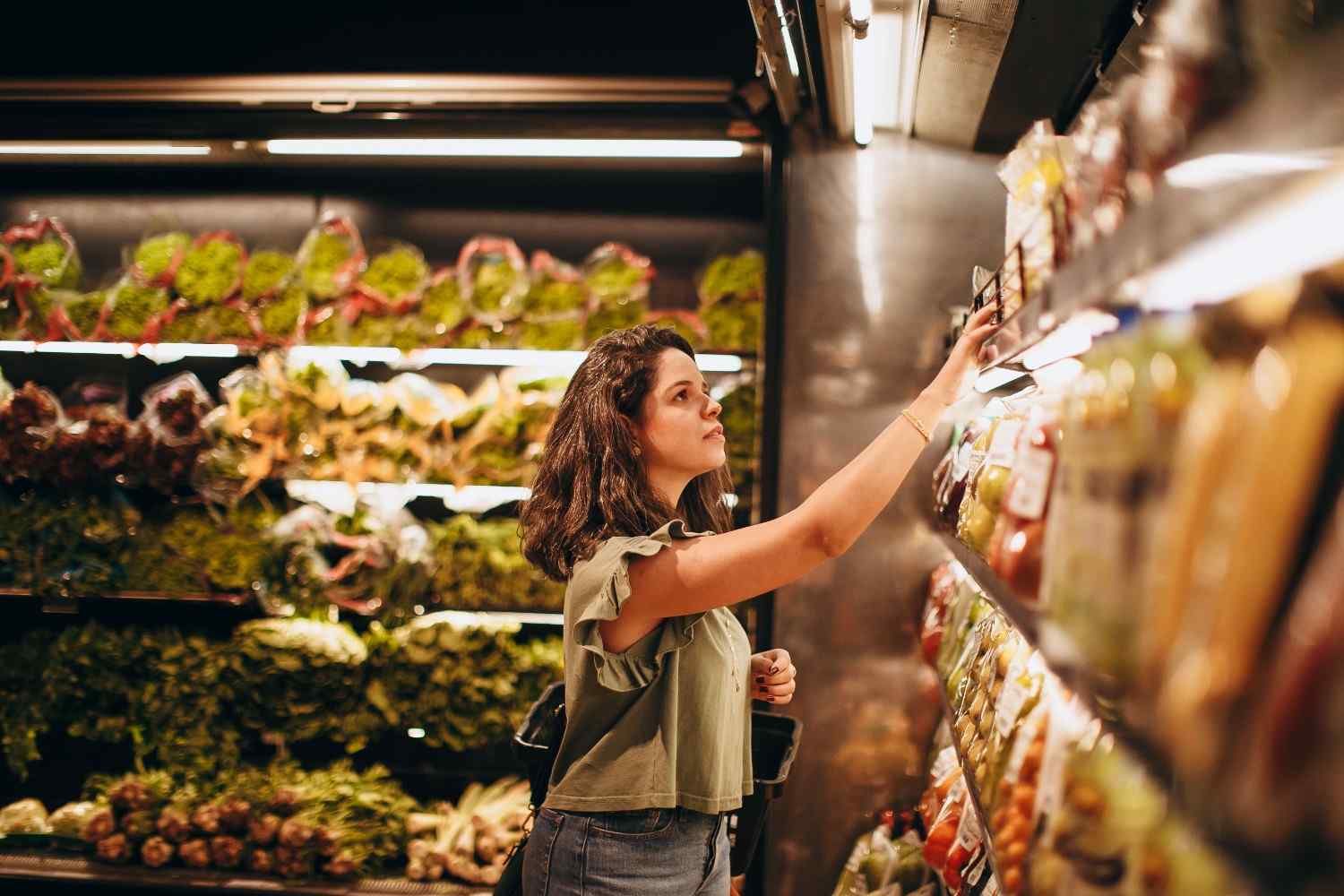
Grocery retailers are operating in a more complex and competitive environment than ever before. Rising supply chain costs, evolving consumer expectations, and constant pricing pressure from competitors have pushed grocers to rethink how they maintain profitability. Margins are often razor thin, which means even small inefficiencies can have significant financial consequences. To stay competitive, grocers are investing in smarter strategies that extend from procurement to shelf presentation, with a strong focus on operational efficiency, pricing precision, and product optimization.
Strategic Pricing and Data-Driven Decisions
Modern grocers increasingly rely on sophisticated data analytics to guide pricing strategies. Instead of relying on static pricing models, retailers are implementing dynamic pricing systems that adjust product costs based on demand, seasonality, and competitor behavior. This allows grocers to remain competitive while preserving margins where possible.
Advanced software platforms analyze purchasing patterns, basket sizes, and customer demographics to identify pricing opportunities. For example, a product that performs well during certain times of the year may carry a higher margin during peak demand periods. Conversely, underperforming items can be discounted strategically to clear inventory without eroding overall profitability.
Retailers are also using loyalty programs to offer targeted discounts rather than applying blanket promotions. This ensures that markdowns are applied where they will have the most impact, rather than reducing margins across the board.
Private Label Expansion and Brand Control
Private label products have become a central margin protection strategy for grocers. By offering store branded alternatives to national products, retailers can control both pricing and production costs more effectively. These items typically carry higher margins while still appealing to cost conscious shoppers.
The quality of private label goods has improved significantly, making them a viable substitute for premium brands. As a result, shoppers are more willing to switch, especially when economic conditions are uncertain. Grocers benefit from increased brand loyalty while maintaining stronger control over supply chains.
Private label expansion also enables retailers to fill gaps in product assortments without relying on third party suppliers. This reduces dependency on external pricing pressures and helps maintain consistent margins across categories.
Supply Chain Optimization and Cost Efficiency
Efficient supply chain management plays a critical role in margin protection. Grocers are investing in technology to improve forecasting accuracy, reduce waste, and streamline logistics. Real time inventory tracking allows retailers to respond quickly to demand fluctuations, minimizing overstock and shortages.
Automation is another key factor. Distribution centers are increasingly equipped with robotics and AI driven systems that reduce labor costs and improve order accuracy. These improvements help limit operational expenses while ensuring products reach shelves quickly and efficiently.
Waste reduction initiatives are also gaining traction. By closely monitoring product lifecycles and expiration dates, grocers can discount items before they become unsellable, recovering value that would otherwise be lost. These strategies contribute directly to stronger margins without compromising the customer experience.
Packaging Innovation and Shelf Appeal
Packaging plays a more important role than many consumers realize. It affects not only how products are perceived but also how they are stored, transported, and ultimately sold. Grocers are working closely with manufacturers to optimize packaging in ways that support both efficiency and profitability.
Lightweight materials and compact designs can reduce shipping costs and improve shelf density. This allows retailers to display more products within the same physical space, increasing potential sales per square foot. Additionally, durable packaging helps minimize damage during transit, reducing losses.
Sustainability is also influencing packaging decisions. Consumers are increasingly drawn to environmentally responsible products, prompting grocers to evaluate materials and design choices carefully. Innovations in food and beverage plastic packaging have allowed manufacturers to create packaging that is both cost effective and more environmentally conscious, offering a balance between sustainability goals and margin protection.
Clear labeling and attractive designs further enhance shelf appeal, encouraging impulse purchases and reinforcing brand value. When executed effectively, packaging becomes a tool for both cost management and revenue generation.
Merchandising and In-Store Experience
The physical layout of a store has a direct impact on sales and margins. Strategic merchandising ensures that high margin products are placed in prominent locations where customers are more likely to notice them. End caps, eye level shelving, and checkout displays are often reserved for items that deliver the greatest profitability.
Grocers are also refining store layouts to guide customer movement and maximize exposure to key products. Data from in store tracking systems helps retailers understand shopping patterns and adjust layouts accordingly. This allows them to position products in ways that encourage higher spending.
In addition to placement, product assortment plays a role in margin protection. By carefully curating offerings and eliminating underperforming items, grocers can focus on products that deliver consistent returns. This not only improves efficiency but also simplifies inventory management.
Digital integration is enhancing the in store experience as well. Electronic shelf labels, mobile apps, and personalized promotions help bridge the gap between physical and digital retail, providing customers with a more cohesive shopping journey.
Conclusion
Protecting margins has become a top priority for modern grocers navigating a rapidly changing retail landscape. Through a combination of data driven pricing, private label growth, supply chain efficiency, packaging innovation, and strategic merchandising, retailers are finding new ways to sustain profitability without compromising customer value. These efforts reflect a broader shift toward smarter, more adaptive operations that respond to both market conditions and consumer expectations. As competition continues to evolve, grocers that invest in these strategies will be better positioned to maintain strong margins while delivering a compelling shopping experience.