
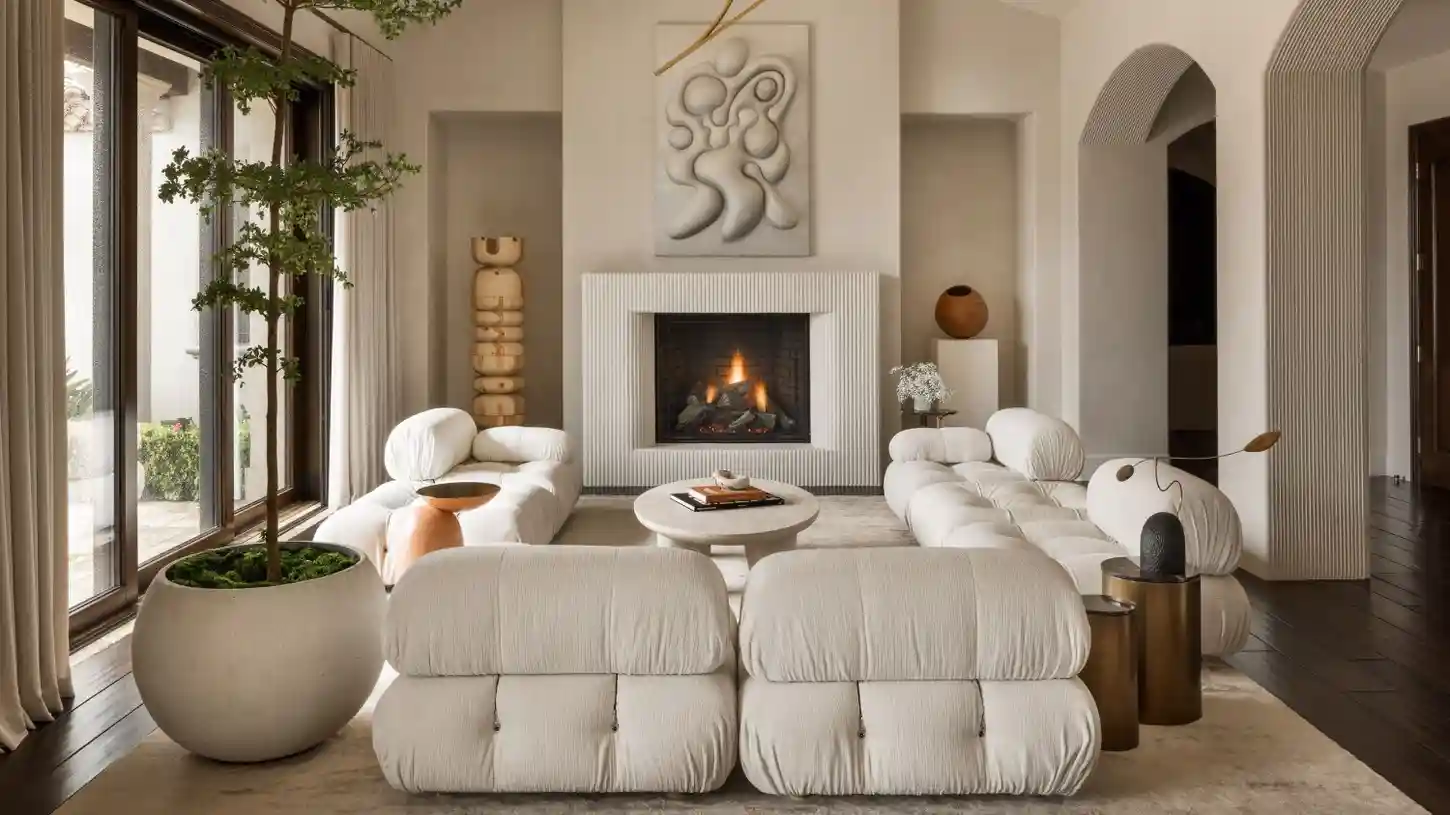
In the realm of contemporary home design, the integration of natural elements has become increasingly pivotal. Agencies specializing in home decor and interior design often leverage nature-inspired components to create a serene and stylish atmosphere. One such element that stands out is the Ficus tree. Its versatility and aesthetic appeal make it a compelling choice for designers aiming to elevate modern interiors. This article explores how Ficus Trees can transform contemporary spaces, enhance air quality, and serve as versatile design elements, offering insights for agencies to incorporate these benefits into their projects.
Elevating Aesthetic Appeal with Ficus Trees in Modern Interiors
Integrating Ficus Trees into modern interiors can significantly enhance the visual appeal of a space. Agencies often utilize a Ficus Trees as part of their Visual Merchandising Toolkit to create focal points that draw attention and add depth to a room. The lush greenery of a Ficus tree complements the clean lines and minimalist aesthetic typical of contemporary design. With its varied sizes and shapes, this tree offers designers flexibility in aligning with the Brand Aesthetic Consistency of their projects. Moreover, the use of fabric swatch libraries helps in selecting complementary colors, ensuring that the Ficus tree seamlessly integrates into the overall design palette.
Creating a Lush Atmosphere with Ficus Plants
Ficus plants are renowned for their ability to cultivate a lush and inviting atmosphere within interior spaces. Agencies with Home Staging Certification can attest to the transformative power of these plants in creating a welcoming environment for potential buyers. By strategically placing Ficus Trees around a space, designers can evoke a sense of tranquility and comfort. This approach aligns with the principles of Color Theory Application, as the vibrant green hues of the Ficus can invigorate a room, promoting relaxation and well-being. Additionally, the implementation of a Merchandising Planogram allows agencies to optimize the placement of Ficus plants, enhancing their visual impact without overcrowding the space.
Enhancing Air Quality and Wellness in Home Design
Beyond their aesthetic contributions, Ficus Trees play a crucial role in improving indoor air quality, which is a growing concern in contemporary home design. According to research, incorporating plants like the Ficus can reduce indoor pollutants and increase oxygen levels, contributing to overall wellness (Source: NASA Clean Air Study, 2019). This is particularly relevant for agencies focused on E-commerce Conversion Rate Optimization (CRO), where creating a healthy and appealing environment can influence buyer decisions. By understanding the Product Lifecycle Management (PLM) of Ficus Trees, agencies can ensure sustainable sourcing and maintenance practices, further enhancing their value proposition to clients.
Ficus Trees as Versatile Design Elements in Contemporary Spaces
Ficus Trees are not only limited to enhancing aesthetic and wellness aspects; they also serve as versatile design elements in contemporary spaces. Their adaptability makes them suitable for various interior styles, from minimalist to eclectic. Agencies can leverage Interior Design Specification techniques to incorporate Ficus Trees into their Seasonal Collection Launch strategies, ensuring that these elements remain relevant and appealing throughout the year. Furthermore, the versatility of Ficus Trees allows them to be used in creative ways, such as partitioning open-plan spaces or accentuating architectural features. Recent analysis from Architectural Digest highlights the increasing trend of using indoor trees like Ficus to redefine modern living spaces.
Conclusion
Incorporating Ficus Trees into contemporary home design offers a multitude of benefits, from enhancing aesthetics and creating a lush atmosphere to improving air quality and providing versatile design solutions. For agencies focused on Shopping & Fashion & Beauty, Home Decor, these trees offer a valuable tool in creating spaces that resonate with clients’ desires for beauty, health, and functionality. By understanding and applying these elements, agencies can elevate their projects and achieve a harmonious balance between nature and modern design.