
Healthy habits sound simple enough on paper. Eat well, move a bit, sleep properly, repeat. Yet anyone who has spent time around children knows life is rarely that neat. One minute they are full of energy, the next they are flat out refusing anything green on their plate. That is where fun, structured activities come in with a bit of quiet magic. They make healthy choices feel less like a lecture and more like part of everyday life.
In Australia, this matters a great deal. Families here often juggle school runs, sport on weekends, scorching summer afternoons, and the odd rainy day that ruins everybody’s plans. Kids need routines that fit real life, not some polished idea of it. When healthy habits are wrapped inside enjoyable activities, they tend to stick. No drama, no long speeches, just a rhythm that starts to feel normal.
Why children respond so well to routine
Children like knowing what comes next. It helps them feel steady, and honestly, it saves adults a fair bit of negotiation too. A regular activity at the same time each week gives a child a sense of comfort. They know where they are going, what they will be doing, and who they will be with. That predictability makes them more willing to participate.
Routine also removes some of the pressure. A child who feels nervous about trying something new may relax once it becomes familiar. The first session might involve sticky shoes, shy glances, or a dramatic claim that “this is boring”. By week four, the same child could be racing in with far less fuss. Familiarity has that effect. It turns hesitation into habit.
For parents, routine helps in another way too. It reduces the endless back and forth about what counts as screen time, exercise, or family time. A weekly structure builds itself into the household flow. Before long, it becomes just another part of the calendar, like maths homework or Saturday morning toast.
Fun makes the lesson stick
Children rarely remember a health message because someone said it in a serious voice. They remember the game, the challenge, the laugh, or the little achievement that came with it. That is why playful activities work so well. They hide the lesson inside the fun.
A child learning coordination through a game of catch is not thinking, “Ah yes, I am building motor skills.” They are thinking, “I nearly caught it!” That tiny burst of pride matters. It is often the spark that keeps them going. The same goes for team games, dance sessions, nature walks, or anything that gets them moving without making it feel like a chore.
There is also a nice trick here. Fun lowers resistance. Kids who might roll their eyes at a plain exercise request often lean in when there is a game involved. A race to the letterbox suddenly feels exciting. A treasure hunt in the backyard feels like an adventure. Even a basic obstacle course made from pool noodles and old cushions can turn into the highlight of the afternoon.
Structure gives fun a purpose
Fun by itself is lovely, but structure gives it direction. That is the sweet spot. A well-planned activity offers enjoyment while quietly teaching consistency, patience, coordination, and confidence. It is not about being rigid. It is about giving the activity enough shape that children can grow from it.
This is especially useful in activities that require repetition and gradual progress. Think of learning a musical instrument, joining a sports club, or taking part in regular lessons that build water confidence. The joy comes from improving little by little. A child who once clung nervously to the edge may later kick across the pool with a grin. That kind of progress is very hard to fake and even harder to forget.
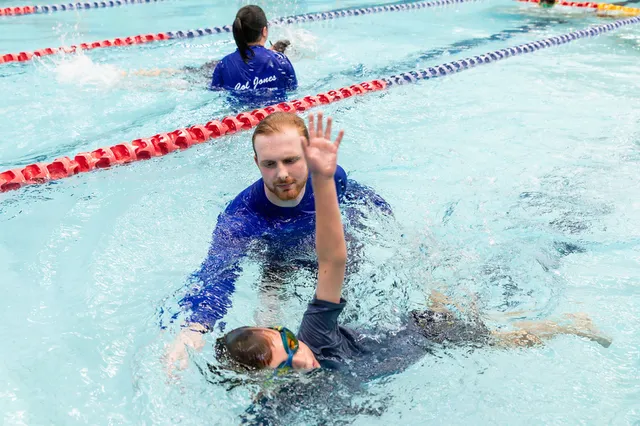
Some parents around Australia also look for activities that suit the climate and lifestyle. Water-based sessions are a good example. They offer movement, enjoyment, and a practical life skill all in one go. Places such as swim classes often become more than just lessons. They can turn into a weekly ritual children genuinely look forward to, especially when the atmosphere is calm, friendly, and encouraging.
Healthy habits work best when they feel social
Children are social little creatures. They often copy what their friends are doing before they fully understand why. If a group is laughing, trying, learning, and having a go, a child is more likely to join in. That social energy is powerful.
Group activities teach more than movement. They teach turn-taking, listening, patience, and how to handle a bit of frustration without falling apart. Not every attempt will be graceful. There will be awkward moments, muddy socks, and the occasional sulk when things do not go to plan. That is all part of the package. Kids learn that effort matters just as much as talent, which is a pretty handy lesson for life.
In many Australian communities, this social side matters even more. Families often rely on local clubs, schools, and community centres to give children places where they can connect with others. A good activity becomes a small neighbourhood anchor. It gives children a place to belong, and that belonging helps habits last.
Small wins matter more than big speeches
Adults sometimes want dramatic results. Children, on the other hand, usually build confidence in tiny steps. One more lap. One more try. One less prompt from Mum or Dad. These little wins add up in a way that feels almost sneaky.
Healthy habits grow faster when children are praised for effort rather than perfection. A child who remembers to bring their gear, tries a new movement, or keeps going after a wobble is already building strong foundations. There is no need for fanfare every time. A quick “good effort” often lands better than a grand speech. Children can smell over-the-top praise a mile off.
It helps when adults keep things steady too. If a family treats activity as part of the normal week, children absorb that message. They learn that movement, rest, and good routines are not special punishments or rewards. They are simply how life works.
Why outdoor and water activities are such a strong fit in Australia
Australia has a strong outdoor culture, and that gives families plenty to work with. Parks, beaches, backyards, local ovals, and community pools all offer ways to build healthier routines without making them feel forced. Even on days when the heat is fierce, there are still plenty of options that keep children active and entertained.
Water activities in particular carry a special kind of value here. They suit the climate, they feel playful, and they build confidence in a skill that matters a great deal in a country surrounded by water. Parents often appreciate activities that blend enjoyment with safety and development. That combination is hard to beat.
There is also something pleasantly Australian about children heading off to an activity after school, still half dusty from the day, carrying a towel, a water bottle, and a sense of expectation. It feels practical, a bit chaotic, and very real. Just the way family routines often are.
Keeping it going without turning it into a battle
The trick is to keep activities light enough that children want to return. If every session becomes a pressure cooker, the habit tends to wobble. A bit of flexibility helps. So does keeping expectations age-appropriate. Younger children may need more encouragement and shorter bursts of activity. Older ones often like having a bit more independence and a clearer sense of progress.
Parents can help by framing activities in a positive way. Not as a fix for a problem, but as something enjoyable that happens every week. Children pick up on the mood around them. If adults treat it like a chore, kids usually follow suit. If the tone is relaxed and upbeat, the habit has a better chance of settling in.
And yes, some days will still go pear-shaped. Someone will forget their towel, complain about the timing, or suddenly decide that the car trip is unbearably long. That is family life. Yet even with the hiccups, a steady activity can keep the bigger picture moving in the right direction.
A habit that grows with the child
The lovely thing about fun, structured activities is that they evolve. What starts as a playful introduction can become a long-term part of a child’s life. A hesitant beginner can grow into someone who enjoys challenge, values routine, and understands that looking after their body does not have to be dull.
That is the real win. Not perfection. Not a perfectly behaved child with spotless shoes and a heroic love of broccoli. Just a young person who sees healthy choices as normal, manageable, and maybe even enjoyable. If that happens, the habit is already doing its job.
When families build routines around activities children genuinely enjoy, health stops feeling like a task on a checklist. It becomes part of the week, part of the fun, and part of growing up. That is a pretty solid foundation, whether the child is six, ten, or somewhere in between.